Finding extra space is one thing. Finding a storage solution that feels genuinely safe is another. Whether you are storing household items during a renovation, keeping business inventory off-site, or simply freeing up space at home, security is often the biggest concern. People want to know their belongings are protected, accessible, and stored in a facility they can trust.
That is where secure self storage makes a real difference. A well-managed storage facility should do more than offer empty space. It should give you confidence through strong security features, clear access control, and a clean, professionally maintained environment. At Extra Space Malaysia, customers can access storage solutions in Kuala Lumpur and Selangor with features such as 24/7 CCTV surveillance, secure access controls, 24/7 access, and a range of storage unit sizes for personal and business use.
If you are looking for safe and secure self storage in KL and Selangor, this guide explains what to look for and why those features matter.
Why Secure Self Storage Matters
Not all storage is equal. When you place your belongings in a facility, you are trusting that space to keep items safe from theft, mishandling, and unnecessary risk. That trust becomes even more important when the items being stored are valuable, sentimental, business-critical, or difficult to replace.
Secure self storage is especially useful for:
– Household items during moving or renovation,
– Documents and office materials,
– E-commerce inventory and business stock,
– Collections and valuables,
– Seasonal items that you do not need daily.
Long term vs short term storage
Not sure how long you should rent a self-storage? Don’t worry, there are self-storage providers such as Extra Space Asia who provide flexible storage rental duration of minimum 14 days storage to as long as you need. In this case, you’ll have the option to choose your storage duration according to your storage needs. This is also a cost-effective approach as you’ll only be paying for the storage period you require and nothing more.
Here’s how self-storage can help you: Short-term storage will be useful if you’re undergoing home and business transition period such as a home renovation or in the midst of finding a new location. For business who are also just looking for a temporary storage space to store your festive sale items, it’d also be wise to just rent short-term storage for your business use.
Long-term storage will be great option for those who are looking for a safe and secure storage space to store their growing business inventory or personal collection for a long period of time. If you’re planning of relocating to another country due to work or personal reasons, renting long-term storage will also be good as self-storage providers such as Extra Space Asia have staff present at the storage reception area during operation hours. This will help to ensure that your stored items are in good hands.
Self-Storage vs warehouse
Both the option of renting a self-storage and warehouse will provide you with that extra space for your personal and business items. However, there are some key differences which you should take note before making a decision. Firstly, the amount of storage space available for rent. Self-storage units are offered in pre-determined sizes such as Locker or Walk-in storage unit while warehouse storage spaces can be customised based on your needs. If you’re mostly storing big scale machinery items or odd-sized items, the warehouse storage could be more beneficial to you.
However, if you’re looking for a storage space to store a fixed quantity of items that require daily access, you might want to consider renting a self-storage unit. Secondly, rental cost. Most warehouses would require you to sign a yearly contract while a self-storage unit is more flexible in terms of storage duration.
By signing a yearly contract for a big space like a warehouse, it might lead to a higher deposit or down-payment compared to renting a self-storage unit. That’s because most of the storage rental cost is calculated based on the amount of space you rent at the point of time. In addition, once you sign a yearly contract for your warehouse storage, it’s best that you use the space for the full year (or longer, depending on your rental period). Otherwise, you’ll risk wasting money when you forfeit the contract. With a self-storage unit rental, you have the flexibility to move out of your unit anytime.
Self-storage tips and recommendations
If you’re a first-time self storage user, here are some self-storage tips to take note beside the storage rental price. Firstly, you should always choose a self-storage provider that’s credible and here to stay with a proven track record. This way, you’ll have peace of mind when you choose to store your items with them. Secondly, you should always personally visit the storage facility prior to signing up for a storage unit as this will provide you insights on how safe is the storage facility. During the visit, you should check the security features at the storage facility. Look out 24-hour CCTV surveillance cameras, the presence of the on-ground staffs and whether there’s any PIN code or card access to the storage areas. These security features are important as they will help to ensure that your items are store in a safe and secure storage facility.
Choose Extra Space Asia Self-Storage
Founded in 2007, Extra Space Asia has over 62 storage facilities with over 15,000 storage units across Malaysia, Singapore, Hong Kong, Korea, Taiwan and Japan. Our industry-leading presence in Asia gives us credibility and allows us to operate self-storage facilities of the highest standards worldwide. We’ve also always strived to build facilities to improve people’s lives and work. This is professionally delivered through our cutting-edge services, uncompromised security and a wide variety of storage unit sizes available 24/7. If you’re looking for storage solutions for personal, family or business use, rest assured that your items are in the safe hands of Extra Space Asia. Come visit any of our 4 Malaysia self-storage facilities located around Selangor and Kuala Lumpur today if you’re looking for a secure self-storage space and storage service near your home or office space, or a place to purchase storage boxes! Feel free to call us at 1300 22 0288 today to learn more about our various storage offerings.
By: Michelle Lee
Looking for a reliable self storage price comparison in Malaysia? Understanding self storage prices, rental rates, and cost differences can help you choose the right unit without overspending.
Several factors affect self storage price in Malaysia, including unit size, storage type, facility location, rental duration, and ongoing promotions.
In this guide, we break down the main factors behind self storage cost in Malaysia and explain how to compare storage rental prices more effectively.
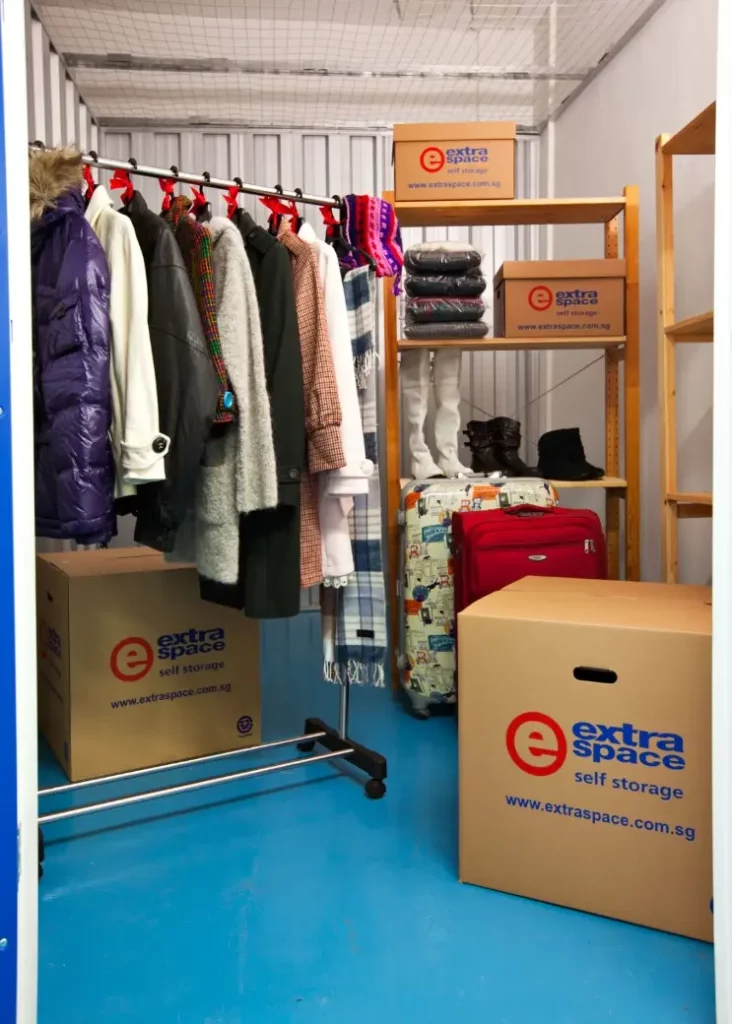
Tips to Make The Most of Self Storage Units in Malaysia
Before exploring the factors that influence storage rental prices, it’s important to first understand how to maximize the space and efficiency of your storage unit. Proper planning and organization can help you make the most of your rental while keeping costs under control.
Organize and Label Your Items
A well-organized storage unit saves time and reduces hassle. The first step is proper organization—use stackable boxes, label everything clearly, and create an inventory list to quickly locate your items when needed.
Utilize Vertical Space
Maximize your storage space by stacking your items vertically. You can utilize shelves or storage racks to keep your storage unit organized, prevent clutter, and ensure easy access to your belongings.
Protect Your Belongings
If you are storing fragile or sensitive items, you can consider using climate-controlled storage units to prevent damage to your items from heat and humidity. On top of this, it is strongly advisable to wrap delicate items in protective materials and store them securely.
Factors Influencing Self-Storage Price in Malaysia
If you’re thinking about renting a self-storage unit, it’s essential to understand the key factors that influence the storage rental. Here are five major factors that determine self-storage rental prices in Malaysia.
Self-Storage Type
The type of self-storage unit you choose will significantly affect the storage rental cost. Options typically range from standard non-air-conditioned units to air-conditioned, climate-controlled, and wine storage units, each offering different features.
Self-Storage Unit Size
Larger storage units usually come at a higher monthly rental cost. Selecting the right storage unit size based on your storage needs helps you optimize costs and avoid paying for unnecessary space.
Self-Storage Rental Duration
Many self-storage providers will offer you a flexible storage rental term, with longer commitments often eligible for better discounts. Understanding the pricing structure for short-term vs. long-term rentals can help you secure the best deal!
Self-Storage Facility Location
Self-storage facilities in prime or central locations typically have higher storage rental rates. Choosing a facility in a slightly less central area can lead to significant cost savings without compromising accessibility.
Ongoing Promotions & Discounts
Many self-storage providers offer seasonal promotions, early-bird discounts, and referral incentives. At Extra Space Asia, we take pride in offering some of the best storage deals in town! Check out our latest promotions and discounts here.
Find the Best Self Storage Prices in Malaysia with Extra Space
Considering all these factors, finding affordable self-storage in Malaysia can be straightforward! With careful planning and the right strategy, you can secure a cost-effective storage unit that fits your storage needs and budget. Here are some essential tips to help you discover the best self-storage prices in Malaysia.
Compare Prices Across Different Providers
Self-storage rates can significantly vary between different self-storage providers. Take the time to compare prices with different self-storage facilities to ensure that you’re getting the best value. Consider factors such as storage location, storage unit size, and any additional services included in the price. Some self-storage providers may offer added perks, such as rewards programs or free parking, that provide extra value at no additional cost.
Choose the Right Self-Storage Size
One of the biggest factors influencing self-storage prices is the size of your self-storage unit. Renting a larger storage unit than necessary means that you are paying for space you don’t need. Before booking, carefully assess your storage requirements and choose a storage unit size that fits your belongings without excess space.
Consider Location and Accessibility
Self-storage prices can vary greatly depending on location. Facilities in prime or central areas typically have higher rental rates. If you don’t need frequent access to your stored items, choosing a self-storage facility in a less central location can help you save money. However, always weigh cost against convenience to ensure your storage unit remains accessible when needed.
Take Advantage of Promotions and Discounts
Many self-storage providers in Malaysia offer promotional deals, such as savings on long-term storage rentals. These offers can help you reduce your overall storage costs. Providers like Extra Space Asia frequently update their promotions, so be sure to check their website or contact them directly for the latest deals!
Opt for Long-Term Self-storage Rentals for Better Rates
If you plan to store items for an extended period, many self-storage providers offer discounts on long-term rentals. Committing to a 6-month or 12-month rental can often result in a lower monthly rate compared to short-term options.
If you’re looking for a self-storage provider that offers the best value for your money, look no further than Extra Space Asia. Get in touch with us at 1300 22 0288 to find out more about our self-storage options and our latest ongoing promotions!
Efficient document management is now a cornerstone of business success in Malaysia, where compliance, data security, and space optimisation are top priorities. With the Personal Data Protection Act (PDPA) setting stricter standards, many companies are rethinking how they store sensitive records. This article examines two primary solutions: physical document storage, which is ideal for safeguarding originals, and digital storage, offering speed and remote accessibility. Key highlights include their benefits, cost comparisons, security considerations, and how a hybrid approach can future-proof your business.
Key Takeaways
- Both document storage and digital storage have distinct advantages, depending on the industry’s needs and budgets.
- Physical storage is essential for compliance and preserving original records.
- Digital storage offers unmatched convenience, instant retrieval, and remote access.
- Hybrid solutions combine the strengths of both for maximum efficiency.
- Partnering with a trusted provider like Extra Space Malaysia ensures secure, scalable, and cost-effective document management tailored to your business.
Why Businesses Need Effective Document Storage in Malaysia
As businesses in Malaysia expand, the volume of records, from contracts to financial statements, grows rapidly. Without a proper storage system, companies risk compliance failures, wasted office space, and data loss. Professional document storage solutions in Malaysia help organisations stay compliant, reduce costs, and protect critical information.
Growing Compliance and Audit Requirements
Regulatory frameworks, such as Malaysia’s Personal Data Protection Act (PDPA), require strict record-keeping practices. Businesses that fail to secure sensitive information face fines and reputational damage.
- Legal, financial, and healthcare industries often require long-term retention.
- Proper archiving simplifies audits and ensures the timely retrieval of documents.
- Professional storage providers offer tracking systems for compliance.
Rising Office Rental Costs and Space Constraints
With office rental rates in Kuala Lumpur consistently rising, utilising valuable space for storing documents is inefficient.
- Offsite storage reduces overhead expenses.
- Freeing office space improves workplace productivity.
- Flexible rental options allow businesses to scale storage as they grow.
Security and Disaster Recovery Considerations
Documents stored onsite are vulnerable to theft, fire, and flooding, common risks in Malaysia’s tropical climate.
- Professional facilities offer fireproofing, climate control, and 24/7 CCTV surveillance.
- Digital backups provide an extra layer of protection but require secure servers.
- Offsite storage ensures business continuity in case of emergencies.
What Is Physical Document Storage?
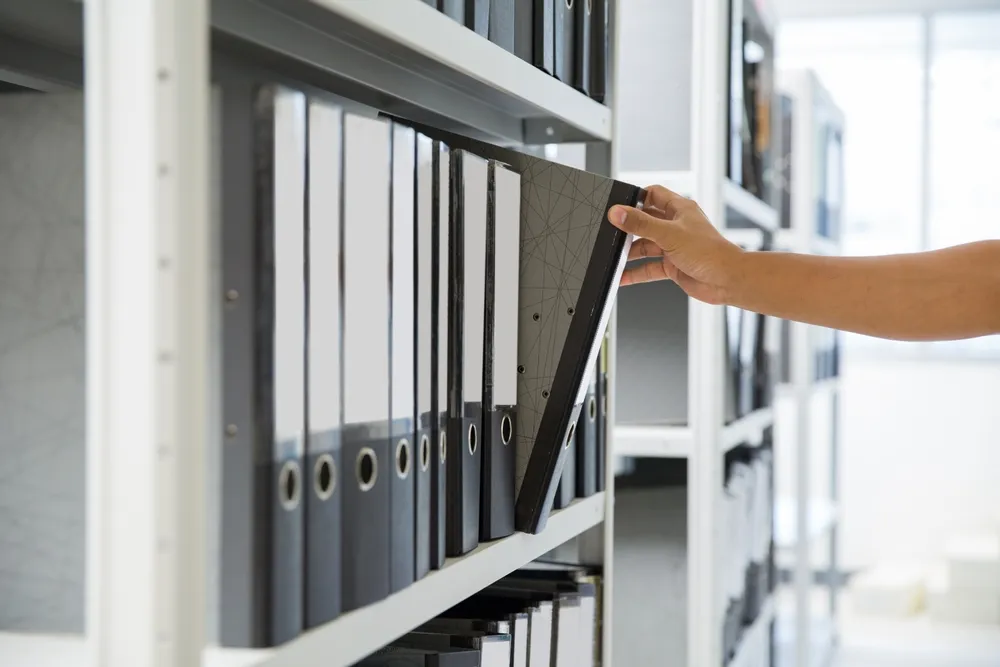 Physical document storage in Malaysia remains a trusted solution for businesses that handle large volumes of paper records. It involves using professional off-site facilities equipped with security, climate control, and retrieval systems to protect critical documents. This method ensures compliance with regulations while freeing up valuable office space.
How It Works
Physical document storage is the practice of storing hardcopy records in secure, off-site facilities. These centres are designed to safeguard sensitive materials while allowing organised retrieval.
- Documents are packed in clearly labelled storage boxes.
- Facilities offer climate-controlled environments to prevent mould or paper degradation.
- Retrieval services provide access to files when needed, either physically or digitally (scan-on-demand).
Key Benefits
Businesses choose physical storage for its reliability and compliance advantages.
- Legal compliance: Meets PDPA and audit requirements.
- Preservation of originals: Ideal for contracts, tax records, and legal files that must remain in hard copy.
- Flexible rental plans: Suitable for both short-term archiving and long-term retention.
- Cost-effective: Offsite storage is cheaper than allocating expensive office space.
Common Use Cases
Specific industries in Malaysia rely heavily on physical storage due to legal and operational needs.
- Law firms: Case files, contracts, and court documents.
- Healthcare providers: Patient records and medical reports.
- Government agencies: Regulatory files, public records, and archives.
- SMEs: Businesses with heavy paperwork, such as finance, logistics, or insurance.
What Is Digital Document Storage?
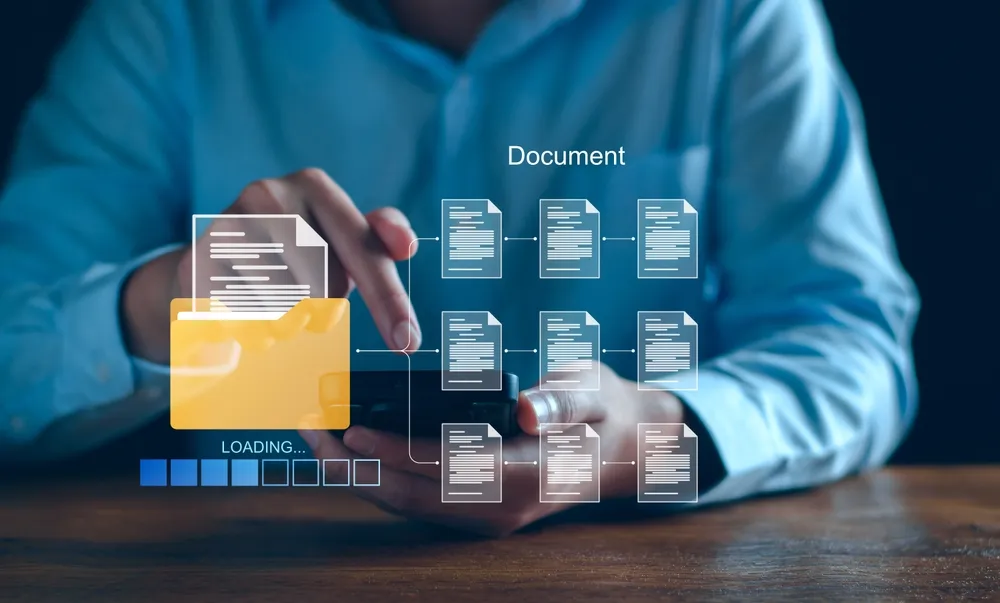 Digital document storage has become the go-to choice for modern businesses in Malaysia that prioritise accessibility and efficiency. Instead of relying on physical files, companies store and manage their records using secure digital platforms, making retrieval faster and collaboration easier.
How It Works
Digital storage involves storing files in electronic form using servers, cloud-based systems, or enterprise content management platforms.
- Documents are scanned, digitised, and uploaded to secure platforms.
- Access is controlled through user authentication and permissions.
- Data can be stored locally on company servers or in the cloud for greater flexibility.
Key Benefits
Digital storage offers advantages that streamline workflows and improve resilience.
- Remote access: Staff can retrieve files at any time, from anywhere.
- Quick search functionality: Advanced indexing allows faster retrieval than physical filing systems.
- Data backup and recovery: Cloud providers offer redundancy against accidental deletion or system failure, ensuring data is protected and accessible.
- Scalability: Storage can expand easily as a business grows, without additional physical space.
Common Use Cases
Digital document storage is widely adopted across industries that value agility and operate digitally first.
- Startups: Minimise physical space needs and operate lean.
- IT companies: Manage project files, source codes, and technical documents.
- Hybrid or remote-first teams: Enable seamless collaboration across multiple locations.
- SMEs moving towards digitisation: Reduce reliance on paper while improving efficiency.
Document Storage vs. Digital Storage: A Detailed Comparison
Choosing between physical and digital storage depends on business priorities such as cost, compliance, accessibility, and long-term reliability. Both methods have clear strengths and trade-offs. The table below provides a quick comparison:
| Factor | Physical Document Storage | Digital Document Storage |
| Cost | Box rental, retrieval, and transportation fees | Subscription costs, IT support, and data migration |
| Security | Fireproof facilities, CCTV, restricted access | Encryption, multi-factor authentication, PDPA-ready |
| Accessibility | 24/7 secure facilities, retrieval requests needed | Instant, remote access from any device |
| Reliability | Preserves original hard copies indefinitely | Requires upgrades, data migration, and system backups |
Cost Considerations
Physical storage typically involves recurring costs, such as storage box rental, retrieval charges, and transportation. In contrast, digital storage requires subscription plans, IT infrastructure, and data migration costs.
- Physical: predictable monthly fees, but costs rise with volume.
- Digital: scalable, but initial setup and ongoing software costs can be higher.
- Businesses should compare long-term expenses before making a commitment.
Security & Compliance
Both storage methods address security differently. Physical storage facilities rely on strong physical safeguards, while digital systems focus on cybersecurity.
- Physical: fireproof vaults, CCTV monitoring, access restrictions.
- Digital: advanced encryption, multi-factor authentication, and PDPA compliance.
- The choice depends on whether legal originals or digital confidentiality is the greater priority.
Accessibility & Convenience
Accessibility is a key differentiator between the two options.
- Physical: 24/7 secure access available, but requires formal retrieval requests.
- Digital: documents can be retrieved instantly from anywhere with an internet connection.
- Businesses with remote teams often prefer digital for speed and flexibility.
Long-Term Reliability
Reliability is essential for archiving sensitive documents.
- Physical: preserves original hard copies, ensuring authenticity for audits or legal disputes.
- Digital: long-term reliability depends on consistent upgrades, system backups, and data migration.
- A hybrid solution often strikes a balance between authenticity and accessibility.
Hybrid Approach: Combining Document Storage and Digital Storage
For many Malaysian businesses, the most practical solution is not choosing between physical and digital storage but combining both. A hybrid approach offers flexibility, security, and efficiency, ensuring compliance while maintaining smooth day-to-day operations.
Why Businesses Choose a Hybrid Approach
By blending physical and digital storage, companies can align with regulatory requirements while supporting modern workflows.
- Critical originals, such as contracts, tax records, and medical files, are stored safely in professional document storage facilities.
- Frequently used files are digitised for quick, remote access by teams.
- This strategy helps reduce office clutter while enhancing business agility.
Key Benefits of a Hybrid Model
The hybrid method strikes a balance between cost, compliance, and convenience.
- Compliance-ready: Physical storage ensures businesses meet PDPA and audit requirements.
- Cost control: Less reliance on premium office space for file storage.
- Flexibility: Employees can access digital files instantly while originals remain safeguarded.
- Business continuity protects both physical and digital copies in the event of a disaster.
Common Scenarios for Hybrid Storage
Many industries in Malaysia have adopted this model to support their specific operational needs.
- Law firms: Archive signed originals, digitise case references.
- Healthcare providers: Preserve patient files, digitise reports for faster sharing.
- SMEs: Keep financial documents in storage, digitise invoices and contracts for easy access.
Practical Considerations for Businesses in Malaysia
When deciding between physical and digital storage, Malaysian businesses must consider industry-specific requirements, rising real estate costs, and future scalability needs. The right choice can have a significant impact on compliance, cost efficiency, and operational flexibility.
Industry Regulations
Different sectors face distinct obligations regarding record-keeping.
- Financial services, legal, and healthcare industries are required to maintain physical records for audits, regulatory compliance, and legal validity.
- Tech startups, e-commerce companies, and digital-first businesses often prefer cloud solutions that support agility and remote access.
- Hybrid models are increasingly common to satisfy both compliance and efficiency needs.
Cost of Office Space vs Storage Space
Rising commercial rental rates in Malaysia make document storage a financial consideration. In Kuala Lumpur, prime office spaces are in high demand and expensive.
- Using valuable office space for files is costly and inefficient.
- Outsourcing to professional document storage providers offers more affordable, scalable options.
- Businesses can reinvest savings into core operations rather than paying for non-productive space.
Supporting Business Growth
As companies expand, storage needs grow in parallel. Flexible solutions are vital.
- Scalable storage: Add more boxes or digital capacity without major upfront investment.
- Office relocation: When moving, businesses can reduce hassle by outsourcing archives and knowing where to buy moving boxes for short-term needs.
- Future-ready planning: Professional storage allows smoother transitions as teams scale and operations become more complex.
How to Choose the Right Document Storage Provider in Malaysia
 Selecting the right partner for document storage in Malaysia can make the difference between safe, compliant archiving and costly mismanagement. Businesses should weigh several factors before making a decision.
Key Factors to Consider
- Security: Ensure facilities offer 24/7 CCTV surveillance, restricted access, and a disaster-resistant design.
- Accessibility: Reliable retrieval systems, including scan-on-demand, are essential for smooth operations.
- Scalability: Providers should accommodate growth, whether you need a few boxes or thousands.
- Compliance support: The best storage companies help businesses align with PDPA and industry-specific regulations.
Facility Standards That Matter
Not all storage is created equal. Look for:
- Air-conditioned units to protect paper against Malaysia’s humid climate.
- Fire-protected facilities for peace of mind.
- Transparent pricing with no hidden costs.
- Temperature-controlled Wine Storage, perfect for connoisseurs and hobbyists
Why Extra Space Malaysia Stands Out
Extra Space is one of the most trusted names in document storage in Malaysia, with modern facilities designed to meet both compliance and operational needs.
- Multiple convenient locations across Malaysia, including Chow Sow Lin, Kota Damansara, Section 51A, and Segambut.
- Flexible rental terms for short- or long-term requirements.
- Professional-grade security and climate control.
- Proven track record serving SMEs, corporates, and regulated industries.
Looking for secure, cost-effective document storage in Malaysia? Trust Extra Space to safeguard your records while giving your business the flexibility it needs. Contact Extra Space Malaysia today and free up valuable office space.
Frequently Asked Questions
What type of businesses benefit most from physical document storage?
Industries with strict regulatory requirements, such as law firms, healthcare providers, financial institutions, and government agencies, rely heavily on physical storage. These sectors often need to preserve originals for compliance, audits, and legal validity.
Is digital storage safe from cyberattacks?
Yes, when managed correctly. Most cloud providers use end-to-end encryption, multi-factor authentication, and regular backups. However, businesses must choose reputable vendors to ensure PDPA compliance and minimise risks of data breaches.
How much does document storage in Malaysia cost?
Costs vary depending on the facility location, storage volume, and services provided. The best practice is to request a quotation first. In Extra Space Malaysia, you can get a quote by clicking this link.
Can I combine physical and digital storage?
Absolutely. Many businesses adopt a hybrid model, storing critical originals in physical storage while digitising frequently used files. This approach strikes a balance between compliance, cost efficiency, and accessibility.
Where to buy moving boxes for storing documents safely?
You can purchase sturdy, archival-grade boxes at office supply shops, hardware stores, or directly from professional storage providers like Extra Space Malaysia. Using proper boxes ensures documents remain organised and protected during storage or relocation.
[ez-toc]
In Malaysia, storage needs are growing among businesses, expats, students, and families seeking extra space during relocations, renovations, or seasonal transitions. With urban living becoming more compact, many are deciding between engaging a storage company or opting for DIY storage solutions.
According to Mordor Intelligence, the Asia-Pacific self-storage market is projected to grow at a 7.86% CAGR from 2025-2030, reflecting rising demand. This article compares both approaches, covering cost, convenience, flexibility, and security, so you can make the right choice whether you want to rent a storage unit for temporary storage or set up your own solution.
Key Takeaways
- Storage companies in Malaysia offer flexibility, security, and cost savings for short- to medium-term needs.
- DIY storage may be suitable for large, long-term bulk storage, but it comes with higher risks.
- For most individuals and SMEs, renting a storage unit from a trusted storage company is the safer and smarter choice.
What Is a Storage Company in Malaysia?
A storage facility in Malaysia offers secure, professional solutions for individuals and businesses that require extra storage space. Unlike DIY methods, these providers provide purpose-built facilities designed for convenience, safety, and flexibility.
Key Features of a Storage Company
- Professional facilities include self-storage units, managed warehouses, and temporary storage options.
- Climate control: Air-conditioned units protect electronics, documents, and delicate items.
- Enhanced security: 24/7 CCTV surveillance, controlled access, and insurance coverage.
- Flexible sizing: Scalable unit sizes to match changing needs.
- Accessibility: Extended or 24-hour access, depending on the provider.
Who Commonly Uses Storage Companies?
- Startups and SMEs managing seasonal inventory.
- Families during relocation or home renovation.
- Students storing belongings between semesters.
- Expats need safe, temporary storage while abroad.
What Is DIY Storage?
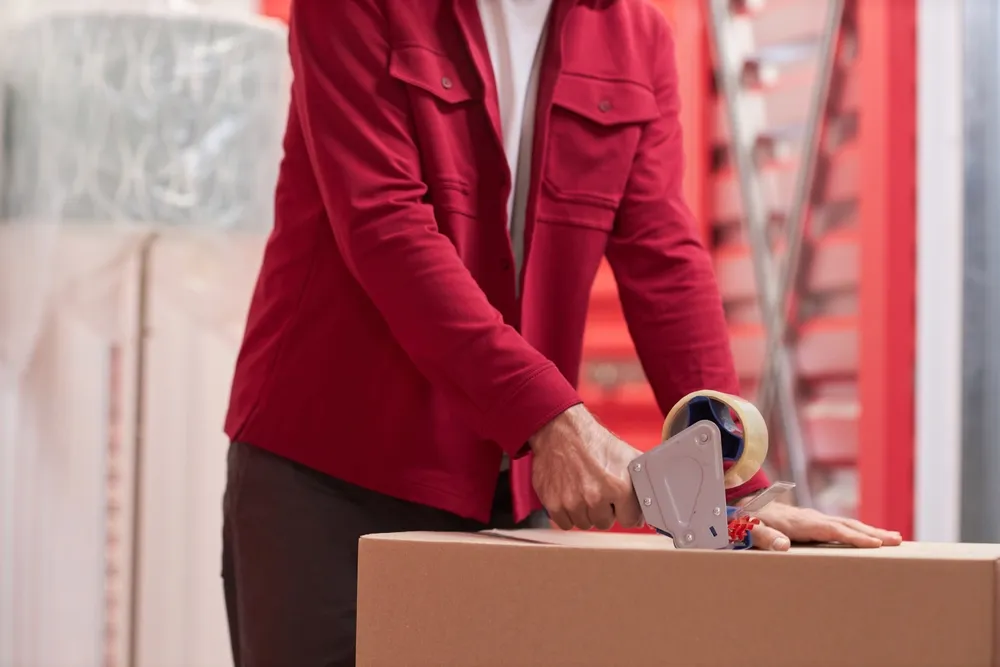
DIY storage refers to a self-managed approach where individuals or businesses handle their own storage without relying on a professional storage company. While it offers autonomy, it also places full responsibility for costs, security, and upkeep on the user.
Common Approaches to DIY Storage
- Renting a small warehouse on a monthly or yearly lease.
- Utilising home garages or rented shop spaces for extra storage.
- Hiring movers to transport goods, while personally managing inventory and access.
Who Typically Uses DIY Storage?
- Businesses with bulk inventory are seeking large, long-term spaces.
- Cost-conscious users who want to avoid professional storage fees.
- Companies with logistics staff capable of handling security and operations internally.
Storage Company vs DIY Storage: Key Comparison
| Aspect | Storage Company (Malaysia) | DIY Storage |
| Definition | Professional provider offering self-storage units, managed warehouse, and temporary storage | Self-managed solution using a warehouse, garage, or rented shop lot |
| Flexibility | Short-term or long-term contracts; easy to scale up or down unit sizes | Fixed leases; limited flexibility in resizing or terminating contracts |
| Security | 24/7 CCTV, access control, fire safety, pest control, and insurance | Security depends on the user’s setup; additional costs for surveillance and safety |
| Convenience | Multiple locations, climate-controlled units, easy online booking and access | Must manage logistics, maintenance, and storage conditions personally |
| Best For | Startups, SMEs, students, families, and expats needing temporary storage in Malaysia | Large businesses with bulk goods and dedicated staff for logistics |
When comparing the two options, a storage company in Malaysia, such as Extra Space, stands out for its convenience, flexible rental terms, and strong security features, making it especially suitable for temporary storage or when you need to rent a storage unit for short- to mid-term use.
On the other hand, DIY storage may reduce costs for large-scale, long-term bulk storage, but it comes with the responsibility of handling security, utilities, and logistics independently. For most individuals, SMEs, students, and families, partnering with a professional storage company is the safer, more flexible, and ultimately more cost-efficient choice.
Which Option Is Cheaper?
For short-term or temporary storage, a storage company in Malaysia, such as Extra Space, is more cost-efficient since facilities are ready-to-use without overhead. However, for businesses storing large bulk inventory for years, DIY storage may provide savings, though it requires handling security, upkeep, and operational trade-offs.
Storage Company Advantages
A storage company in Malaysia is designed with customer convenience in mind, offering flexibility for individuals and businesses.
- Multiple locations: Facilities are strategically placed across major cities, making it easy to access belongings with minimal travel time.
- Flexible lease terms are available, offering options that include short-term, temporary storage, or long-term rental, ideal for a range of needs, from weekend renovations to multi-year business requirements.
- Scalable unit sizes: Customers can easily upgrade or downsize according to changing requirements, thereby avoiding wasted space and costs.
- Online booking and management: Many providers allow digital reservations, payments, and account management for seamless experiences.
DIY Storage Challenges
In contrast, DIY storage requires greater commitment and effort, with fewer options for flexibility.
- Fixed leases: Renting warehouses or shop lots typically involves long-term contracts, locking users into commitments even when needs change.
- Logistics management: Users are responsible for arranging transportation, moving, and securing insurance independently.
- Lack of scalability: Expanding or downsizing storage space is problematic without incurring additional costs or relocating altogether.
Storage Company Security
One of the strongest reasons to use a storage company is the level of security it provides.
- 24/7 CCTV monitoring: Continuous surveillance deters theft and ensures peace of mind.
- Restricted access control: Only authorised individuals can enter, with staff monitoring entry points.
- Safety systems, including fire alarms, pest control, and climate control, help protect items from damage and loss.
- Insurance coverage: Many companies provide optional or included coverage to safeguard valuable belongings.
DIY Storage Risks
DIY storage can expose users to risks that are costly to manage independently.
- Limited surveillance: Security depends on personal investment in cameras or guards.
- High responsibility: The user must cover damages from fire, flooding, or theft.
- Extra insurance costs: Private insurance can be expensive and may not cover all risks compared to professional storage providers.
Who Should Choose a Storage Company?
A storage company in Malaysia is the smarter choice for people and businesses prioritising convenience and security.
- Startups and SMEs: Flexible contracts make it easier to scale inventory up or down as needed.
- Students and families: Perfect during renovation, relocation, or semester breaks.
- Businesses with sensitive goods: Secure, climate-controlled units protect documents, electronics, or high-value products.
- Expats and frequent travellers: Reliable temporary storage in Malaysia ensures your belongings are safe while you’re abroad.
Who Should Consider DIY Storage?
DIY storage may be suitable for larger businesses or organisations with predictable, long-term storage needs.
- Large businesses with bulk inventory: When goods don’t require climate control, DIY storage can be a cost-effective option.
- Companies with in-house logistics: Firms that already employ security and transport staff may prefer complete control.
- Long-term warehouse users: Businesses with stable storage needs over the years may justify fixed leases.
Why Extra Space Malaysia Is the Smart Choice
When deciding between a storage company and DIY storage, choosing a trusted provider can make all the difference. Extra Space Malaysia stands out as one of the leading names in the industry, offering convenience, flexibility, and peace of mind.
- Multiple storage facilities across Malaysia: Strategically located branches make access easy for both businesses and individuals. You can find Extra Space in these key locations:
- Chan Show Lin
- Kota Damansara
- Section 51A
- Segambut
- Flexible contracts: Whether you need temporary storage for a short project or a long-term unit for business growth, Extra Space provides tailored solutions.
- Premium facilities: Air-conditioned, secure, and insured units safeguard valuables from theft, pests, humidity, and fire risks. Moreover, Extra Space Malaysia offers a premium service: Wine Storage, which is ideal for wine connoisseurs and enthusiasts.
- Proven trust: Widely used by SMEs, startups, students, and families during transitions, Extra Space has built a strong reputation for reliability.
Looking for flexible and secure storage in Malaysia? Rent a storage unit with Extra Space today.
Frequently Asked Questions
How much does it cost to rent a storage unit in Malaysia?
The cost depends on the unit size, location, amenities, and the item being stored. The best practice is to request a quotation first. For Extra Space Malaysia, you can get a quote by clicking this link.
What’s the difference between a storage company and temporary storage?
A storage company offers professional facilities with long-term or short-term contracts. In contrast, temporary storage typically refers to short-term rentals for transitions such as relocation, renovation, or semester breaks. In Malaysia, most storage companies provide both options.
Is it safe to store electronics or documents with a storage company?
Yes. Reputable providers like Extra Space Malaysia offer air-conditioned units, 24/7 CCTV, fire safety systems, and insurance coverage. This ensures that sensitive goods, such as electronics, legal files, or business records, remain protected from humidity, pests, and theft.
Can I scale up or down easily if I rent a storage unit?
Absolutely. A key advantage of renting from a storage company in Malaysia is scalability. Customers can move to larger or smaller units based on their needs without breaking their lease, which is something DIY storage usually cannot offer.
Which is better for startups: DIY storage or a professional storage company?
For startups, a professional storage company is typically better. It reduces overhead costs, provides security, and allows scaling space as the business grows. DIY storage may be suitable for large corporations with stable, bulk inventory, but it often lacks flexibility and requires intensive management.
Startups in Malaysia often struggle with high office rentals, limited space, and the constant need to scale efficiently. According to SME Corp Malaysia, “MSMEs accounted for 96.1% (1,086,386 firms) of all business establishments in Malaysia in 2024”, many of which face tight budgets during growth phases. For these companies, warehouse storage in Malaysia provides a smarter alternative, offering affordable, flexible, and secure solutions compared to traditional commercial spaces. From temporary storage during relocations to long-term use of a storage warehouse for inventory and logistics, startups can reduce overhead while staying agile. This article highlights the key benefits, costs, and considerations when choosing warehouse storage rental in Malaysia.
Key Takeaways
- Warehouse storage rental in Malaysia offers cost-effective, flexible, and scalable solutions, perfect for startups managing tight budgets.
- Temporary storage is invaluable during business transitions, relocations, or periods of expansion.
- Partnering with a trusted provider like Extra Space Malaysia ensures security, convenience, and peace of mind, helping businesses focus on growth instead of logistics.
The Startup Challenge in Malaysia
Rising Office and Retail Rental Prices
Malaysia’s major cities, Kuala Lumpur, Penang, and Johor Bahru, are experiencing increasing rental costs. For startups with limited budgets, leasing prime retail or office space can quickly deplete resources that could otherwise be used to fund growth.
- “Prime office rents in the city centre averaged RM6.02 per square foot per month, up 2.6 per cent year-on-year and 0.2 per cent quarter-on-quarter,” according to The New Straits Times.
- Retail spaces in high-traffic areas are even more expensive, making them unrealistic for early-stage businesses.
- Warehouse storage offers a cheaper, scalable option.
Cash Flow Constraints for Early-Stage Companies
Startups typically operate with limited capital and need to manage expenses carefully. Fixed, long-term leases can lock businesses into overheads they cannot sustain.
- Every ringgit saved on rent can be reinvested into marketing, hiring, or product development.
- Temporary storage offers flexible, short-term commitments.
- Renting only the space you need helps reduce unnecessary costs.
Scaling Issues – Too Much or Too Little Space
Startups often find themselves renting either oversized spaces that remain underutilised or undersized offices that quickly run out of room. Both scenarios impact efficiency.
- Overstocking inventory in a small office leads to clutter and reduced productivity.
- Overpaying for a large retail space can be a waste of capital.
- Storage warehouses enable businesses to scale up or down with ease.
Importance of Flexibility in Business Operations
Flexibility is crucial for survival in Malaysia’s competitive startup landscape. Companies must adapt to seasonal demand, sudden growth, or shifts in the market.
- Short-term rentals for project-based work or transitional periods.
- Ability to expand into larger units during peak seasons (e.g., festive e-commerce sales).
- Secure, flexible facilities ensure startups remain agile without long-term financial strain.
What Is Warehouse Storage Rental in Malaysia?
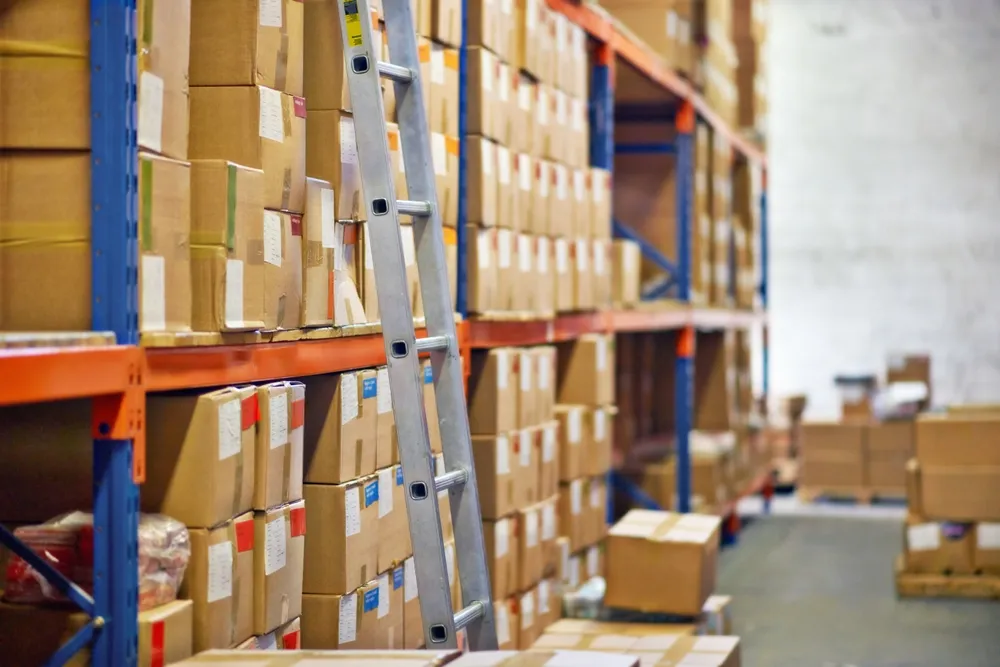 Warehouse storage rental in Malaysia offers a flexible and cost-effective option for securing storage spaces for inventory or equipment, without the burden of long-term office, retail, or warehouse leases. Unlike traditional commercial leasing, which often requires multi-year contracts and high deposits, warehouse storage is designed to be flexible, cost-efficient, and scalable.
- No need for long-term contracts.
- Lower upfront costs compared to leasing office/retail space.
- Pay only for the exact unit size you need.
Storage Warehouse vs. Temporary Storage
There are two common types of rental arrangements in Malaysia:
- Storage Warehouse:
- Large-scale facility for bulk goods, logistics, or long-term inventory.
- Suitable for e-commerce sellers, import-export businesses, and manufacturers.
- Temporary Storage:
- Short-term rental for transitions such as relocations, renovations, or seasonal stock.
- Offers flexibility for startups with fluctuating space needs.
Storage Warehouse vs Temporary Storage: A Quick Comparison
| Feature | Storage Warehouse | Temporary Storage |
| Duration | Long-term, scalable | Short-term, flexible |
| Best For | Bulk inventory, logistics | Moves, seasonal demand |
| Cost | Typically lower per sq ft. | Pay per duration/unit |
Flexible Contracts, Unit Sizes, and Air-Conditioned Options
Warehouse storage providers in Malaysia cater to a variety of business needs:
- Flexible Contracts: Choose monthly, quarterly, or annual plans.
- Unit Sizes: From small lockers to large warehouse units.
- Air-Conditioned Options: Protect sensitive goods, such as electronics, documents, or cosmetics, from Malaysia’s heat and humidity.
Industries That Use Warehouse Storage
Many sectors benefit from warehouse storage rental in Malaysia:
- E-commerce: Shopee/Lazada sellers storing products.
- Event Management: Storage for booths, props, and equipment.
- Healthcare & Pharma: Temperature-sensitive supplies.
- Tech Startups: Spare Parts, Hardware, and Devices.
Key Benefits of Warehouse Storage in Malaysia for Startups
Cost Savings Compared to Office or Retail Rentals
For startups in Malaysia, managing overheads is critical. Warehouse storage in Malaysia provides a more cost-effective alternative to traditional office or retail spaces.
- The average commercial office rent in Kuala Lumpur goes up to RM 6.69 per sq. ft. per month, while retail space can be even higher.
- Storage warehouses are priced by unit size, often costing a fraction of the cost of commercial leases.
- No hefty deposits or multi-year commitments, making it ideal for startups that need financial flexibility.
Key Advantages:
- Avoid long-term lease commitments.
- Pay only for the exact space you need.
- Free up capital for marketing, hiring, or product development.
Flexibility and Scalability
Business growth is rarely linear, and startups often need to make quick adjustments to their operations. Warehouse storage rental offers the flexibility to scale up or down as required.
- Seasonal businesses, such as e-commerce sellers during festive periods, can temporarily expand their storage.
- Ideal for pilot projects or expansion tests without committing to a large warehouse.
- The ability to downsize when demand slows ensures efficient cost management.
Key Advantages:
- Adaptable unit sizes and rental terms.
- Smooth adjustments during growth or downturns.
- Suitable for unpredictable startup cycles.
Improved Business Operations and Efficiency
Cluttered offices and inefficient storage slow down productivity. A centralised storage warehouse helps streamline operations.
- Inventory and supplies can be organised systematically.
- Office space remains free for core activities, improving workflow.
- Proximity to transportation hubs enables faster logistics and deliveries, thereby enhancing customer satisfaction.
Key Advantages:
- Better inventory control.
- Increased productivity with decluttered workspaces.
- Improved turnaround for deliveries and fulfilment.
Enhanced Security and Protection
Unlike storing goods in homes or small offices, professional warehouse storage provides higher levels of safety.
- 24/7 surveillance and access control safeguard against theft.
- Fire protection systems and climate-controlled units safeguard sensitive items, including electronics, documents, and cosmetics.
- Insurance options may be available for added peace of mind.
Key Advantages:
- Reduced risk of theft or damage.
- Protection against Malaysia’s heat and humidity.
- Professional-grade facility security.
Temporary Storage for Transition Periods
Startups often experience transitions, whether moving to new premises, launching short-term projects, or preparing for regional expansion. Temporary storage fills these gaps efficiently.
- Store assets securely during office relocations or renovations.
- Short-term rental solutions for events, campaigns, or seasonal demand.
- Useful as a staging point for overseas expansion, ensuring smooth logistics.
Key Advantages:
- Flexible short-term contracts.
- Prevents disruption to daily operations.
- Provides stability during uncertain phases.
Who Benefits Most from Warehouse Storage in Rental Malaysia?
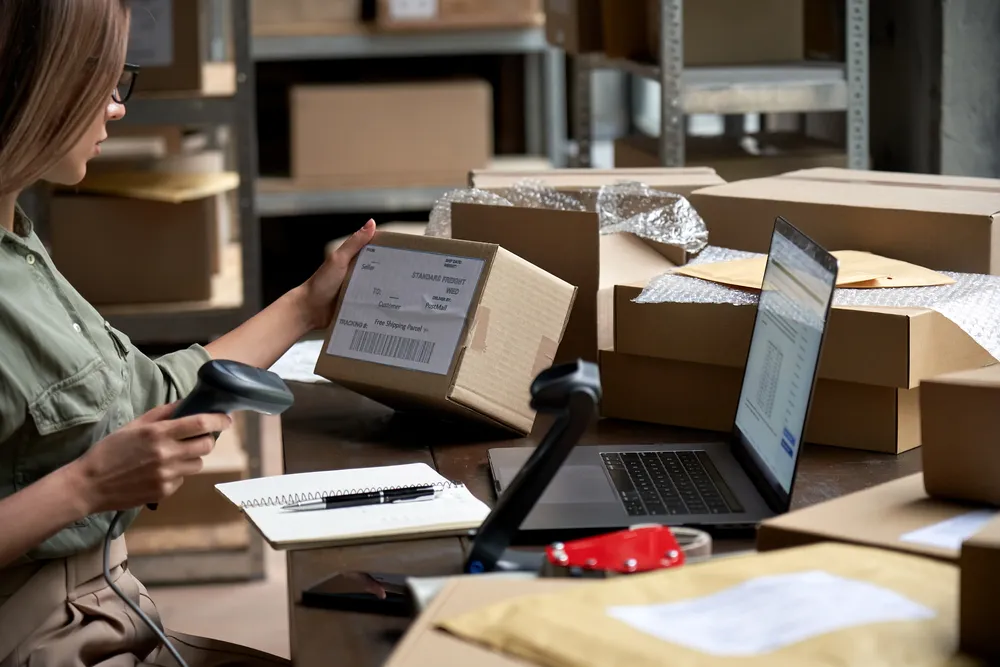
E-Commerce Startups
Online sellers on platforms like Shopee, Lazada, and TikTok Shop face fluctuating demand and must manage their inventory efficiently. Warehouse storage offers cost-effective and scalable solutions.
- Store bulk inventory without overpaying for office space.
- Manage seasonal peaks during festive sales.
- Faster fulfilment through centralised storage locations.
Import-Export Businesses
Companies trading across borders need flexible logistics support. A storage warehouse helps streamline supply chain operations.
- Acts as a staging hub for shipments.
- Reduces turnaround times by being close to ports or airports.
- Avoids the high long-term costs of traditional warehouses.
Event and Marketing Companies
 Event agencies and marketing firms often need temporary storage for bulky assets.
- Store exhibition booths, signage, and lighting equipment.
- Prevents clutter in office spaces.
- Flexible rentals for campaign-based projects.
Tech Startups
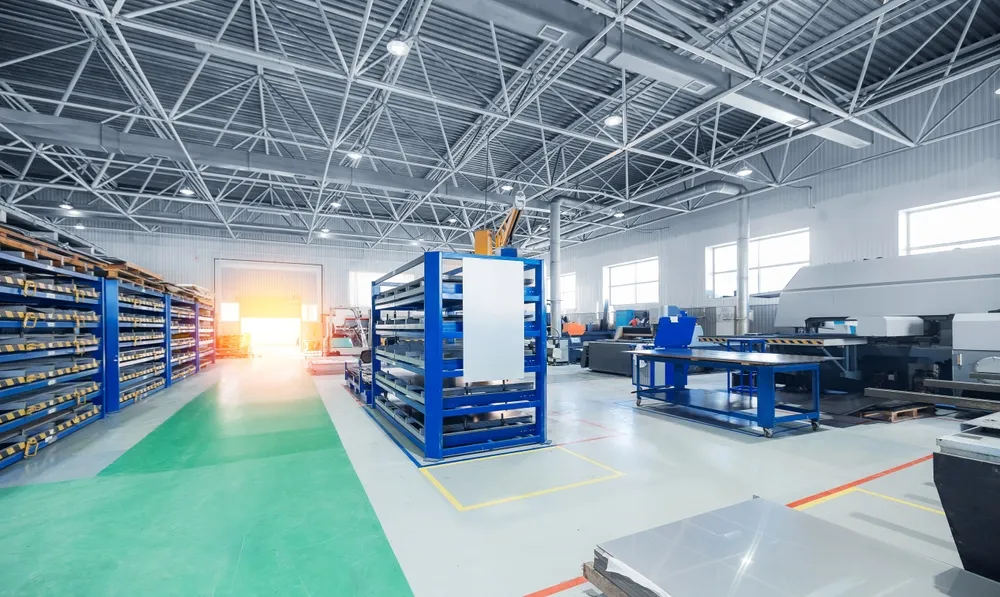 Technology companies often have valuable equipment requiring secure storage. Warehouse rental is a safer alternative to office backrooms or home spaces.
- Store spare servers, electronics, or hardware.
- Climate-controlled units protect devices from overheating or humidity.
- 24/7 security ensures peace of mind.
Industries That Benefit Most from Warehouse Storage in Malaysia
| Industry | Key Needs | How Warehouse Storage Helps |
| E-commerce | Seasonal inventory, fast delivery | Flexible space, centralised stock |
| Import-Export | Logistics, shipping prep | Staging hub near ports/airports |
| Events and Marketing | Bulky equipment, props | Short-term, campaign-based storage |
| Tech Startups | Sensitive devices, servers | Climate control + enhanced security |
Why Extra Space in Malaysia Is the Right Warehouse Storage Partner for Startups
 Choosing the right provider can make or break a startup’s efficiency. Extra Space Malaysia stands out as a trusted partner by offering solutions that strike a balance between affordability, flexibility, and security, tailored to the needs of SMEs and growing businesses.
Multiple Accessible Locations Across Malaysia
Extra Space has facilities strategically located in key business hubs, making it easy for startups to access its goods and services.
- Facilities are located in major urban centres, including Kota Damansara, Chan Sow Lin, Section 51A, and Segambut.
- Convenient for both local deliveries and nationwide distribution.
- Reduces transportation time and logistics costs.
Flexible Rental Terms
Startups can’t always predict their space needs, which makes flexibility vital. Extra Space offers both short-term and long-term storage options.
- Monthly contracts are ideal for seasonal or project-based needs.
- Scalable units enable businesses to quickly upgrade or downsize.
- Perfect for startups testing new markets or undergoing expansion.
Air-Conditioned, Secure Facilities
Malaysia’s hot and humid climate makes climate control a necessity for certain goods and services.
- Air-conditioned units safeguard electronics, cosmetics, documents, and medical supplies.
- 24/7 security monitoring and access control provide peace of mind.
- Fire safety and pest management ensure an added layer of protection.
Transparent Pricing Trusted by SMEs and Startups
Hidden costs can hurt young businesses. Extra Space’s transparent pricing ensures startups can budget with confidence.
- Clear, upfront monthly rates.
- No surprise administrative or access fees.
- Trusted by SMEs, e-commerce sellers, and entrepreneurs across Malaysia.
Startups seeking flexible warehouse storage can explore Extra Space Malaysia storage solutions today. With scalable options, secure facilities, and accessible locations, Extra Space helps businesses grow smarter and faster.
Frequently Asked Questions About Warehouse Storage in Malaysia
How much does warehouse storage rental cost in Malaysia?
The cost depends on the unit size, location, amenities, and the item being stored. The best practice is to request a quotation first. For Extra Space Malaysia, you can get a quote by clicking this link.
What is the difference between warehouse storage and temporary storage?
- Warehouse storage: Typically used for bulk goods or long-term inventory management.
- Temporary storage: Short-term rental, ideal for relocations, seasonal peaks, or transitional projects.
- Startups can benefit from both, depending on their operational needs.
Is a storage warehouse safe for sensitive goods or electronics?
Yes. Professional providers offer enhanced protection through:
- Air-conditioned units to protect against Malaysia’s heat and humidity.
- 24/7 CCTV surveillance and access control.
- Fire prevention systems and pest management.
This makes it safer than storing in homes or offices.
Can startups scale their unit size easily with warehouse storage in Malaysia?
Absolutely. Flexibility is one of the most significant advantages.
- Start with a small unit and expand as inventory grows.
- Downgrade during slow seasons to save costs.
- Flexible contracts allow scaling without financial penalties.
Why choose a professional provider like Extra Space instead of renting a traditional warehouse?
- Lower upfront costs with no large deposits.
- Short-term contracts instead of multi-year leases.
- Strategic locations for faster delivery and logistics.
- Proven security and reliability, trusted by SMEs and startups.
Traditional warehouses are designed for large corporations, while Extra Space focuses on startup-friendly solutions.
Suppose you’ve trusted a storage company in Malaysia to keep your important files or records safe with a reliable storage solution. In that case, the thought of that business suddenly closing down can be worrying. What will happen to your records? Will you still have access to them in the new management system? And how can you make sure they remain secure?
Whether you’re using document storage, personal storage lockers and document management solutions, or a combination of both, it’s essential to know what happens if your provider can no longer operate. In this article, we’ll explore what typically occurs when a storage company in Malaysia shuts down, your rights as a customer, and how you can protect your files well in advance.
What Could Happen to Your Files During a Company Closure?
When a storage provider shuts down—whether due to financial troubles, business restructuring, or other reasons—your access to stored items may be affected. Here are some common outcomes:
- Temporary access issues: You may experience delays or restrictions while the company manages the closure process.
- Risk of misplacement or unauthorised access: If the provider doesn’t follow secure procedures, there’s a higher risk of documents being misplaced or viewed by unauthorised individuals.
- Transfer of files: In many cases, files may be handed over to another storage company if the original provider is acquired or merged, impacting your records management.
- Disposal or abandonment: If no clear steps are taken and customers are not informed, there’s a chance files could be deemed “abandoned” and eventually disposed of, depending on the terms of your contract.
Your Rights as a Client: What Does Malaysian Law Say?
In Malaysia, consumer rights are protected under the Consumer Protection Act 1999, including aspects of information management. Consumer Protection Act 1999 ensures your rights in records management, which helps ensure that businesses handle closures responsibly. However, the most important details are often found in your service agreement.
Your contract should clearly state:
- What happens if the company closes or stops operating
- Whether you’ll receive advance notice from your document storage service provider is crucial for your organisation.
- How much time will you be given to retrieve your files from the records management company in Malaysia?
- Who takes responsibility for the safety and return of your items?
If a company fails to follow its contractual obligations, you may be able to take the matter to the Consumer Claims Tribunal. The Companies Commission of Malaysia (SSM) also regulates and monitors company closures and can offer public records for your reference.
How to Protect Your Files Before It’s Too Late
While you can’t always predict if a company will close, there are steps you can take to protect yourself:
- Read the contract carefully: Ensure you understand the company’s policies in the event of closure.
- Choose a reputable provider for your document storage solutions: Look for companies with a solid track record and long-term presence in the industry.
- Keep a backup of your files in a secure file storage system: Digitise your essential documents or keep an extra physical copy stored offsite in secure storage facilities.
- Ask about contingency plans: A reliable provider should have policies in place to address emergencies or unexpected business changes.
- Check for inventory updates from your records storage provider: Some companies offer access logs or digital inventory tracking, which helps you monitor what’s in storage.
Warning Signs That a Storage Company Might Be Shutting Down
It’s always good to stay alert. Here are a few red flags that may signal trouble:
- Poor communication or delayed replies from staff
- Sudden price changes or unclear billing
- Facility neglect, such as broken locks or poor maintenance
- Staff turnover or frequent management changes can disrupt your information management.
- News of legal trouble or bankruptcy can impact your records management and may necessitate an audit of your document management system.
If you notice any of these signs, it’s wise to reach out to the company immediately and begin planning for alternatives.
What to Do If Your Storage Provider Suddenly Closes
If your storage company shuts down without warning, follow these steps to secure your records management and contact your document management system.
- Try to contact the management company in Malaysia as soon as possible: Look for official announcements through email, SMS, or their website regarding your records storage.
- Request a written update: Ask for confirmation of the situation and instructions for accessing your files.
- Review your contract: See what’s stated about termination and file retrieval.
- Seek legal advice if necessary: Especially if your files are sensitive or valuable.
- Contact regulatory bodies to ensure compliance with records management standards: Report the issue to the document storage service provider. The Consumer Claims Tribunal or the Companies Commission of Malaysia, if the provider is unresponsive.
- Find another storage provider: Look for secure and professional options that meet your needs quickly.
Secure Document Storage with Us at Extra Space Asia – Malaysia
At the forefront of document management solutions. At Extra Space Asia – Malaysia, we understand the importance of your belongings and information. That’s why we’ve built our reputation as a reliable storage company, offering secure and flexible storage solutions that range from document management to archive services. Document storage to personal storage lockers.
Here’s what you can expect from us:
- Transparent and honest contracts with proper exit clauses and no hidden terms
- Strong financial standing. Our records management company in Malaysia is backed by regional operations across Asia.
- State-of-the-art facilities are essential for effective document storage solutions. With 24/7 surveillance and access control
- Accessible customer service is crucial for effective information management
Whether you need document storage in Malaysia, Extra Space offers a range of storage solutions for your files. If you’re looking for clean and accessible personal storage lockers, we’re here to support you every step of the way.
Have questions or need assistance?
Contact us or visit your nearest Extra Space Asia – Malaysia. We’re committed to keeping your items safe, secure, and always within reach—no matter what the future brings.
Planning a home renovation? One of the biggest questions homeowners face is where to store furniture during renovation. Leaving items around the house during the renovation process can lead to damage, dust, or delays in the work. If you want to protect your valuable pieces and create more working space, finding the right temporary storage solution is essential.
In this article, we’ll explore practical options for storing your furniture, from free at-home choices to professional self-storage units. We’ll also cover how to prepare your furniture for storage, where to find packing materials like boxes, and what to expect when considering furniture storage costs per month for your home renovation.
Why Store Furniture During Renovation?
Renovation projects can be messy and chaotic. Whether you’re repainting walls, retiling floors, or upgrading fixtures, there’s always a chance your furniture might get in the way—or worse, get damaged.
Here are some key reasons why storing your furniture during renovation is a smart move:
- Protection – Keep items safe from dust, debris, paint splashes, and knocks.
- More Space – Clear rooms to give contractors more space to work.
- Avoid Damage – Reduce the risk of scratches, dents, or accidental spills.
- Improve Safety – Prevent tripping hazards and keep walkways clear of clutter.
What to Consider Before Choosing a Storage Option
Before deciding where to store furniture during renovation, consider the following factors:
- How long will your renovation last? A few days might only need simple storage, while weeks or months require something more secure.
- How large are the items you need to store? Smaller pieces might fit in a spare room, but larger items like sofas or beds need more space.
- Do you have extra space at home? Consider if you can use a guest room, garage, or even a balcony for short-term storage.
- What is your budget? Factor in things like transport, packing materials, and furniture storage costs per month.
Top Temporary Furniture Storage Options
Let’s take a closer look at the most common options available for temporary storage during renovation:
1. Use an Unused Room or Garage
If you have an extra room or an empty garage, this can be a simple and free solution.
Pros:
- No additional costs
- Furniture remains easily accessible
Cons:
- Not having a proper storage unit can complicate the renovation process.
- Items may still be exposed to dust or moisture
- Limited space for larger renovations
2. Ask a Friend or Family Member
If someone close to you has spare space, they might be willing to help.
Pros:
- A cost-effective solution is to utilise moving and storage services during your home renovation.
- Convenient if nearby
Cons:
- Might not be ideal for long-term storage
- It could be inconvenient for your friend or relative
3. Rent a Portable Storage Container
These containers are delivered to your home, where you can pack and lock them.
Pros:
- Convenient and secure
- Stays on your property
Cons:
- May require permits
- Might not be allowed in some residential areas
4. Use a Professional Self-Storage Facility
A trusted storage provider offers safe and flexible spaces to store your furniture off-site.
Pros:
- Ensure a clean and secure environment with adequate storage space.
- Wide range of unit sizes
- Long-term and short-term options are available
Cons:
- Monthly rental costs apply
- Requires transport to and from the facility
Expert Tips to Prepare Furniture for Storage
Regardless of where you store furniture during renovation, proper preparation and a well-planned storage strategy are essential. Follow these simple steps:
- Clean everything before storage to prevent mould, pests, or odours.
- Disassemble bulky furniture to save space and reduce the risk of damage.
- Use protective materials like bubble wrap, plastic covers, or moving blankets.
- Where to buy moving boxes or packing supplies? Many self-storage facilities and hardware shops sell them in bundles.
- Label boxes clearly and take inventory for easier unpacking later.
Why Self-Storage Is Often the Best Option
Self-storage facilities are one of the most reliable options, especially for longer renovation projects. Here’s why:
- Customised unit sizes – Pay only for the space you need.
- Security features – 24/7 CCTV, access controls, and well-maintained facilities.
- Flexible rental terms – Ideal for both short-term and long-term self-storage solutions.
Store With Confidence at Extra Space Asia – Malaysia
At Extra Space Asia – Malaysia, we understand that deciding where to store furniture during renovation can be a big task. That’s why we provide flexible, secure, and affordable self-storage solutions to give you peace of mind while you renovate your home.
With 24/7 CCTV surveillance and various sizes to choose from, our storage facilities are designed to meet every need, whether it’s for a week or a few months. We’re also happy to assist you in estimating furniture storage costs per month, based on the space you need.
Need packing supplies but unsure where to store your belongings? Where to buy moving boxes? We’ve got that covered too. Visit any of our branches across Malaysia, and our team will assist you in getting started with everything you need for a smooth and stress-free storage experience.
Contact us today to find out more about our storage units or book a unit online. We’re here to help.
In today’s digital age, information flows faster than ever—but that also means data must be handled more carefully than before. Many industries in Malaysia still rely heavily on both physical and digital documents, which often contain sensitive or confidential information. When these records are lost, stolen or damaged, the consequences can be severe, ranging from legal issues to financial penalties and even reputational damage.
This is where secure document storage becomes essential for effective records management. Whether you’re managing client files, patient records, or financial reports, having a reliable document storage solution in place helps protect valuable information from loss and unauthorised access. In particular, businesses across document storage Malaysia are turning to trusted providers to ensure compliance, safety, and peace of mind.
In this article, we examine the top 10 data-sensitive industries in Malaysia that rely on secure document management solutions and storage, and why selecting the right storage company is crucial for efficient records management. This is more vital than ever.
What Is Secure Document Storage?
Secure document storage refers to professionally managed services that keep physical and/or digital files safe from loss, damage, or unauthorised access. These storage solutions often come with features like:
- 24/7 CCTV surveillance
- Access control and a unique PIN code access
- AC storage with temperature control
- Proper labelling and retrieval systems are essential for efficient records storage.
Both large companies and small businesses utilise secure document storage. To remain compliant with regulations and ensure that data is protected for long-term use, a robust management system is necessary.
Top 10 Industries That Need Secure Document Storage
1. Legal Firms
Law firms handle everything from client case files to contracts and court documents. The attorney-client privilege often protects these, so confidentiality is crucial. In Malaysia, the Malaysian Bar Council outlines strict rules on file retention and protection, making document storage a priority.
2. Financial Institutions
Banks, investment companies and insurance providers store a wide range of sensitive financial records. These include customer account details, loan documents and transaction histories. Financial bodies in Malaysia must comply with Bank Negara Malaysia (BNM) guidelines, which emphasise strong data governance practices.
3. Healthcare Providers
Hospitals and clinics store patient records, lab results, and prescriptions. The Personal Data Protection Act (PDPA) 2010 mandates a robust information management system for handling personal data. The Personal Data Protection Act (PDPA) mandates that all patient data be kept confidential and safeguarded. Secure document storage enables medical institutions to meet their legal obligations and maintain trust with their patients.
4. Educational Institutions
Schools and universities must keep academic transcripts, registration data and staff files, sometimes for decades. Document storage solutions in Malaysia ensure that vital records are preserved and accessible when needed for audits or verifications.
5. Government Agencies
Public sector departments hold national records, identity documents and confidential reports. Many of these are crucial for policy development and legal reference in the context of information management. They require long-term storage solutions that are safe and secure from both physical threats and cyber risks.
6. Accounting & Audit Firms
These firms work with detailed financial data, including tax returns, audit trails, and payroll records. Accurate and secure document storage is essential for auditing, compliance, and financial reporting purposes.
7. Real Estate & Property Management
Land titles, tenancy agreements and legal ownership documents must be preserved for many years. Having a central, secure storage solution in Malaysia helps property firms protect valuable files from theft or misplacement.
8. Oil & Gas / Energy Sector
This industry deals with confidential exploration reports, contracts, and operational data. Much of the information is related to multinational projects or joint ventures, making document storage crucial to protect business interests.
9. Telecommunications Companies
Telecom providers store contracts, billing information, and customer data for millions of users. Protecting this information is not just a regulatory requirement but also vital for avoiding identity theft and fraud.
10. Pharmaceutical & Research Organisations
Clinical trials, lab research and drug development involve large volumes of confidential data. Secure document storage enables companies to comply with international standards and safeguard their intellectual property.
Why Legal Compliance Matters
Several laws and guidelines in Malaysia require companies to manage and store data properly through effective records management.
- Personal Data Protection Act (PDPA) 2010 protects personal data and mandates proper storage, use, and disposal.
- Bank Negara Malaysia (BNM) provides strict regulations on data governance for financial institutions.s
- Malaysian Bar Council Guidelines govern how legal documents are stored and accessed.
Failure to comply can result in fines, lawsuits, or even the suspension of business operations.
The Cost of Poor Document Storage
Not investing in secure document storage can lead to:
- Loss of crucial files due to fire, flood, or negligence
- Data breaches resulting in identity theft or leaked information
- Legal actions or regulatory penalties due to non-compliance
- Damaged brand reputation and loss of customer trust
For businesses handling sensitive data, these risks are simply too significant to ignore.
How to Choose the Right Document Storage Partner
When selecting a storage company, consider the following:
- Security Measures – 24/7 CCTV, access control
- Location & Accessibility – convenient access for retrieval
- Scalability – can the provider grow with your storage needs?
- Customer Support – professional and responsive service
A trusted storage company offers not just space, but peace of mind.
Why Choose Extra Space Asia – Malaysia for Your Document Storage Needs
At Extra Space Asia – Malaysia, we understand the importance of protecting your business documents. Whether you’re a law firm storing legal files, a healthcare provider keeping medical records, or a financial institution managing account data, we have the secure facilities and expertise to keep your documents safe.
Our document management solutions ensure that your data is always secure and accessible. Storage units in Malaysia are equipped with:
- 24-hour CCTV and alarm systems
- Personal PIN code access is a critical component of secure file storage.
- Flexible unit sizes to suit your business needs
As a leading storage company in Malaysia, we make it easy for you to scale up or down, access your documents when needed, and stay compliant with industry standards. Let us help you protect what matters most—your data—with trusted document storage in Malaysia. Our services, which you can rely on, include comprehensive document management solutions.
Conclusion
In today’s data-driven world, document storage is no longer optional for industries dealing with sensitive information. From legal and financial to healthcare and education sectors, businesses across Malaysia must prioritise data protection to remain compliant and trustworthy in their information management practices.
Choosing the right storage company makes all the difference. At Extra Space Asia – Malaysia, we’re committed to providing secure, accessible and flexible storage solutions tailored to your needs. If your business handles critical documents, it’s time to incorporate secure document storage in Malaysia into your strategy, as peace of mind begins with proper storage.
Keeping your documents safe and well organised can be a challenge—especially when space is limited. Whether you’re storing business files, legal papers, or personal records, a good document storage system makes all the difference. In this blog, we’ll share tips on labelling and cataloguing documents, as well as how to reuse moving boxes efficiently for storage.
If you’re wondering where to buy moving boxes or how to use what you already have, these simple practices will help you save money, time, and space. At Extra Space Asia – Malaysia, we are proud to offer expert advice and solutions for reliable document storage in Malaysia that meets your needs and supports sustainability.
Why Labelling and Cataloguing Matter
If you’ve ever spent hours searching through unlabelled boxes, you’ll understand how frustrating disorganisation can be. Without a clear system, important files can get lost or damaged, and valuable time is wasted.
Labelling and cataloguing help you:
- Find documents quickly
- Reduce stress and confusion
- Avoid misplacing important files
- Save time during audits or urgent searches
By taking a little time to label and list your stored items properly, you’ll enjoy better peace of mind and improved efficiency.
10 Simple Tips for Labelling and Cataloguing Your Documents
Here are 10 helpful tips to make your document storage boxes easy to manage and access:
1. Use Clear and Legible Labels
Write in large, bold letters that are easy to read from a distance. Avoid cursive handwriting or light ink.
2. Follow a Consistent Format
Include useful details like file name, category, date, and department (if applicable). Consistency helps you stay organised.
3. Label Multiple Sides of Each Box
Place the same label on at least three sides so it’s visible no matter how the box is stacked.
4. Try Colour Coding
Assign different colours to types of documents—for example, green for finance, blue for HR, and red for legal. This makes boxes easier to sort visually.
5. Use Simple Visual Symbols
Icons or stickers (like a clock for timesheets or a dollar sign for financial records) add an extra layer of recognition.
6. Avoid Vague Descriptions
Instead of writing “old files,” label the box with specific details like “Payroll Reports Jan–June 2023.”
7. Use Waterproof and Durable Labels
Choose materials that can withstand humidity or handling. Waterproof labels and permanent markers work best.
8. Create a Master Inventory List
Write down every box number and its contents in a notebook or spreadsheet. This master list can save time when searching.
9. Update Labels When Needed
If the box’s contents change, make sure the label does too. Crossed-out labels create confusion.
10. Train Staff or Family Members
If others are handling your boxes, make sure they understand and follow your labelling system.
How to Reuse Moving Boxes for Document Storage
Reusing moving boxes is a cost-effective and environmentally friendly way to store documents. Here’s how to do it properly:
1. Check the Condition
Before reuse, inspect each box for tears, stains, or pests. Make sure it’s strong enough to hold files without collapsing.
2. Reinforce Weak Spots
Add extra tape to the bottom, corners, and seams. You can also place a cardboard layer inside the box for extra support.
3. Customise for Storage
Cut handles for easier lifting, or attach label holders for a neater look. Consider using file organisers or folders inside.
4. Think Sustainable
Reusing boxes helps reduce waste. If you’re downsizing or moving office, this is a great way to repurpose what you already have.
Best Practices for Storing Documents in Malaysia
With Malaysia’s hot and humid climate, document protection is essential. Here are a few extra tips to keep your records in top condition:
- Choose Climate-Controlled Storage: Humidity can damage paper, so consider renting a storage unit with temperature and humidity control.
- Avoid Overpacking Boxes: This prevents crushing and makes them easier to handle.
- Store Off the Floor: Place boxes on shelves or pallets to avoid moisture.
- Regular Checks: Review your stored files every few months to ensure they are still in good condition.
Why Choose Extra Space Asia – Malaysia for Document Storage?
At Extra Space Asia – Malaysia, we understand the importance of safe and efficient document storage. Whether you’re searching for document storage solutions in Malaysia or wondering where to buy moving boxes, we provide reliable and convenient options to meet your needs.
Our clean, climate-controlled storage units come with 24/7 security, ensuring your documents stay safe from humidity and damage. By combining good labelling practices with the smart reuse of moving boxes, you can build an organised, cost-effective, and eco-friendly storage system.
If you want to store your documents the right way, contact Extra Space Asia – Malaysia today. We are here to help you make the most of your storage space with expert advice and flexible solutions.