
How to Plan a Smooth Office Move in Singapore
Blog
July 17, 2026
Relocating your business premises is rarely as simple as booking a lorry and shifting boxes from Point A to Point B. Commercial property regulations are stringent and building management protocols vary dramatically between Singaporean districts, which is why planning an office relocation demands foresight, coordination, and a clear understanding of what can go wrong when timelines compress and logistics collide.
Choosing the right office movers becomes critical in this environment, as does managing the inevitable surplus of furniture, equipment, and archived materials that no longer align with your new floor plan.
The success of your relocation hinges on decisions made months before moving day. These are the decisions that determine whether your transition strengthens or disrupts your business operations.
Key Takeaways:
- Start planning at least three months in advance, appointing a dedicated coordinator and creating a detailed timeline with milestones for lease negotiations, IT planning, and stakeholder notifications.
- Declutter before packing by categorising assets into essential, storage-worthy, and disposable items, using the move as an opportunity to audit inventory and reduce unnecessary transportation costs.
- Choose experienced office movers who understand Singapore’s building protocols, hold proper insurance, conduct site visits, and provide written quotes covering all aspects of the relocation.
- Use temporary business storage to bridge gaps between lease periods, store surplus furniture during downsizing, or protect assets during office renovation and fitout work.
- Secure IT equipment and confidential files with proper backup protocols, anti-static packing materials, and tamper-evident containers that comply with Personal Data Protection Act requirements.
Why Office Moves in Singapore Are More Complex Than They Look
The density of Singapore’s business districts introduces constraints that don’t exist in sprawling suburban markets. Loading bays are shared, lift access is scheduled in narrow windows, and building management teams enforce rules that can halt your entire operation if you fail to secure the right permits in advance.
Underestimating these layers of complexity is the fastest route to cost overruns, damaged equipment, and frustrated employees arriving at an office that isn’t ready to function.
Commercial Lease Reinstatement Clauses You Need to Know
Most commercial leases in Singapore include reinstatement obligations that require you to return the premises to their original condition before handover. This means removing partitions, repainting walls, and sometimes even reinstalling flooring. That work can take weeks and must be factored into your move-out timeline.
Failing to meet reinstatement terms can result in withheld security deposits or additional charges, so reviewing your lease agreement with your legal and facilities teams at least four months before your intended move date is not optional.
Building Rules That Affect Your Moving Day
Every commercial building in Singapore has its own set of access protocols, and these rules are enforced without exception. Many buildings require move-in applications with advance notice ranging from several days to a month, and nearly all demand proof of insurance before granting access.
Your mover’s familiarity with building management requirements across different precincts can mean the difference between a seamless transition and a day spent negotiating with security whilst your team waits outside.
Step 1: Start Planning Your Office Move at Least 3 Months in Advance
Three months is the minimum lead time for a controlled office relocation, and for larger operations, six months is more realistic. Early planning creates room for contingency, allows you to secure preferred service providers before peak seasons, and gives your team the psychological buffer they need to adapt without panic.
Create a Moving Timeline With Key Milestones
Here’s a basic timeline you can follow:
- Break your move into phases: Pre-move preparation, packing and inventory, the physical move, and post-move setup.
- Assign deadlines to each task: Lease negotiations, IT infrastructure planning, furniture procurement, document archiving—and build in buffer periods for approvals and unforeseen delays.
Treating your office move as a project with measurable milestones rather than a vague future event keeps accountability high and prevents tasks from slipping through the cracks.
Appoint an Internal Moving Coordinator
Designate one senior team member to act as the single point of contact for all relocation activities. This person liaises with movers, building management, IT vendors, and internal departments, ensuring nothing falls into the gap between responsibilities.
The coordinator should have authority to make decisions, access to budget information, and direct reporting lines to leadership so escalations happen quickly.
Notify Stakeholders, Clients, and Vendors Early
Your clients need to know your new address well before they receive bounced mail or find your office closed on arrival.
Update your website, email signatures, invoicing templates, and social media profiles at least a month ahead, and send formal notifications to key accounts, suppliers, and service providers.
Step 2: Declutter Before You Pack, Not After
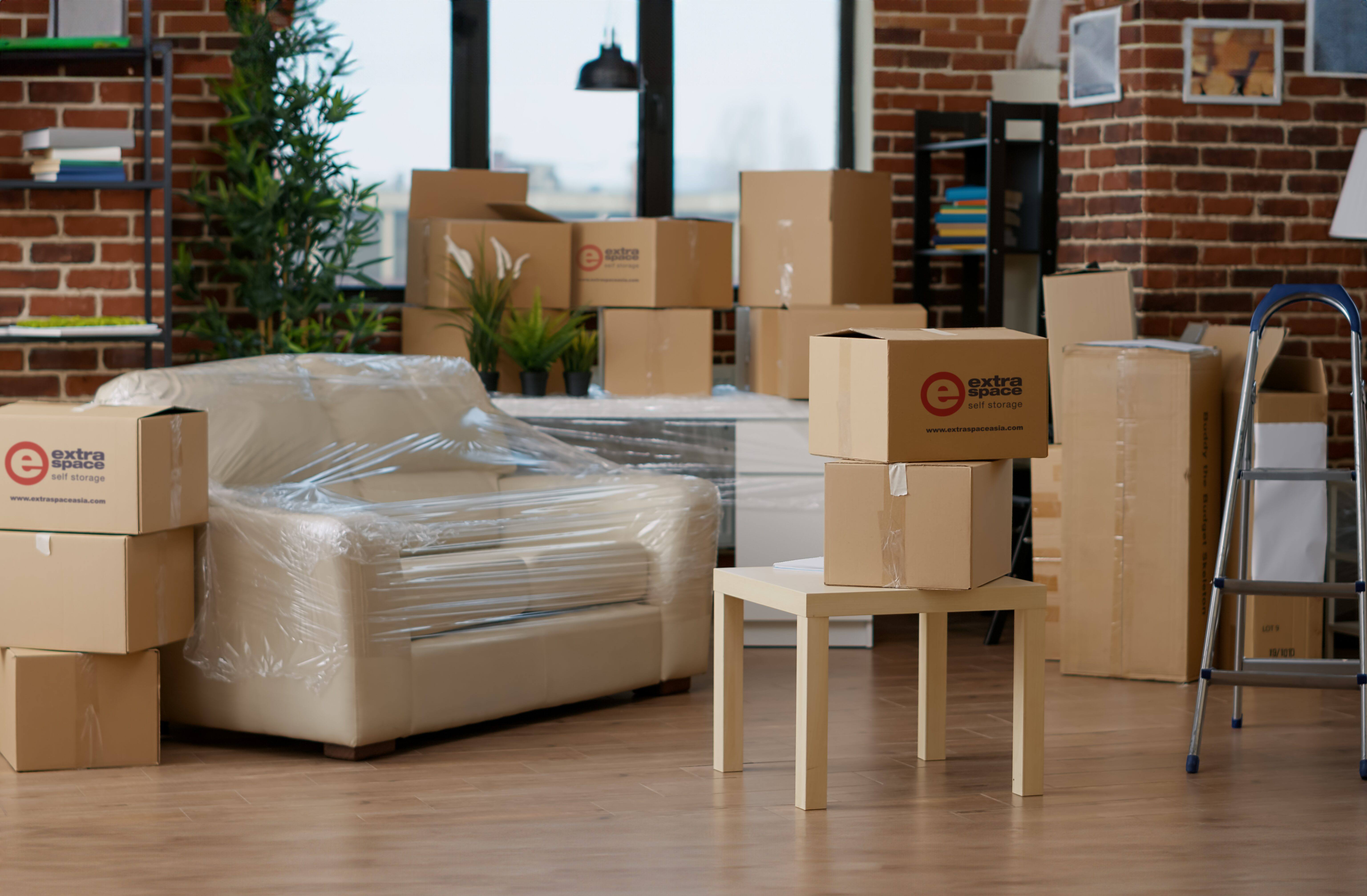
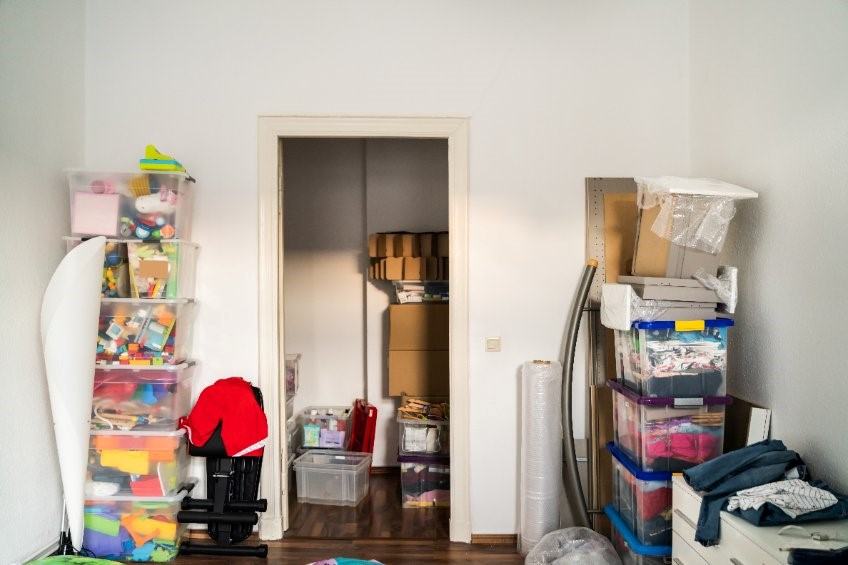
Moving is expensive on a per-item basis. Transporting furniture, files, and equipment you no longer need means paying twice. Once to move it, and once to dispose of it later. A pre-move audit forces you to evaluate what genuinely adds value to your operation and what has been occupying space out of inertia.
What to Keep, What to Dispose, and What to Store
Categorise every asset into four groups: essential for day-one operations, necessary but not immediately required, surplus but potentially valuable, and disposable. Items in the first category move with you.
The second category (seasonal stock, archived contracts, backup equipment) is a candidate for temporary storage rather than premium office real estate. The third category belongs in secure storage until you have clarity on its fate.
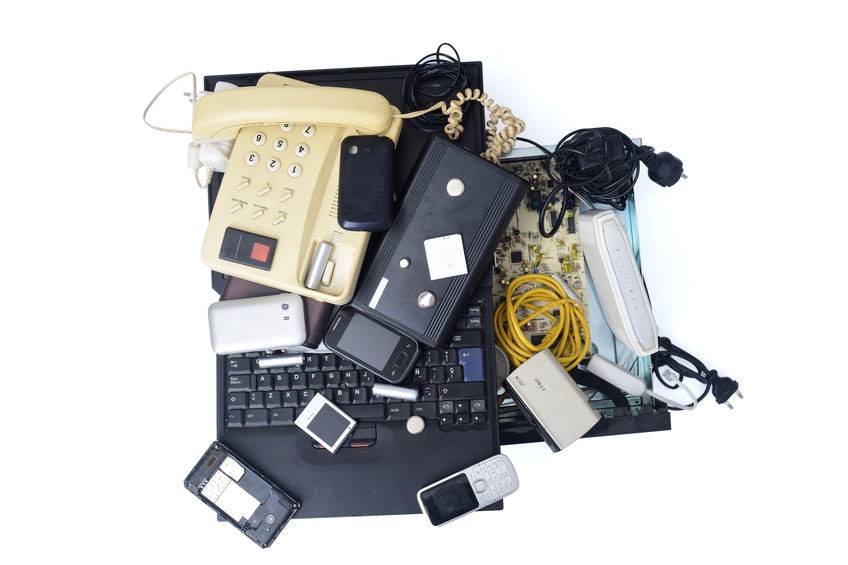
The fourth category should be responsibly recycled, donated, or scrapped before packing begins.
Why the Move Is the Best Time to Audit Your Office Inventory
You’re already touching every item, so the incremental effort required to photograph, tag, and assess condition is minimal. An inventory audit surfaces ghost assets and identifies equipment nearing end-of-life that should be replaced rather than moved.
It also creates a baseline for insurance purposes, giving you documented proof of what was relocated and in what condition.
Step 3: Choose the Right Office Moving Service in Singapore
Not all movers are equipped to handle commercial relocations. The right office moving service brings experience with building protocols, insurance coverage tailored to business assets, and the capacity to execute within the compressed timeframes typical of corporate leases.
What to Look for in a Professional Office Mover
Verify that your mover holds valid public liability insurance and worker compensation coverage. Ask about their experience with office relocations specifically—how many have they completed in the past year, what industries do they serve, and can they provide references from businesses similar to yours?
A mover with established relationships with major commercial buildings in Singapore will navigate access restrictions more efficiently. Equipment matters too: hydraulic tailgates, dollies designed for office furniture, and protective wrapping materials all signal a mover who takes the condition of your assets seriously.
Questions to Ask Before You Sign Any Moving Contract
Clarify what’s included in the quoted price—does it cover packing materials, insurance, disassembly and reassembly of furniture, and after-hours access fees? Ask how they handle delays caused by building restrictions or weather, and whether your quote is fixed or subject to revision if your inventory changes.
A professional mover provides written answers to these questions rather than verbal assurances that evaporate when disputes arise.
Why a Site Visit From Your Mover Is Non-Negotiable
A mover who quotes based on a phone call is estimating blindly. A site visit allows them to assess lift dimensions, doorway widths, stairwell access, and parking restrictions that directly affect time and labour requirements.
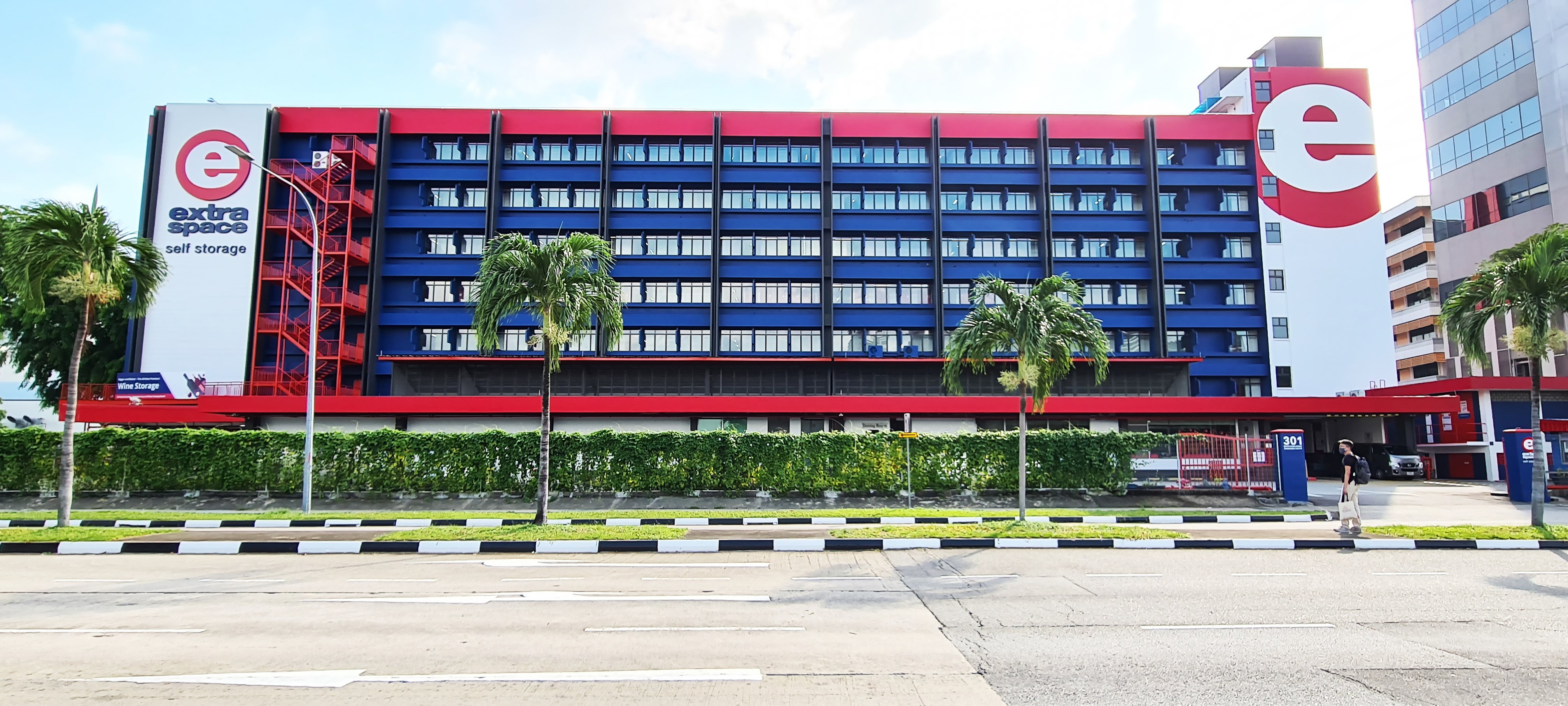
At Extra Space Asia, we coordinate with moving partners who conduct thorough site assessments, ensuring no surprises on moving day and accurate project scoping from the outset.
Step 4: Handle IT Equipment, Documents, and Sensitive Items Carefully
Your business continuity depends on the safe transfer of servers, data storage devices, and confidential records. Treat these items as critical infrastructure rather than generic cargo.
Backing Up Data Before the Physical Move
Assume the worst-case scenario: every device is lost or damaged in transit. Full backups (stored both on cloud platforms and physically separate media) ensure you can restore operations even if your hardware doesn’t survive the move.
Schedule backups for the evening before moving day, verify their integrity by testing a sample restore, and keep backup media with a trusted team member.
Packing and Labelling Protocols for Servers and Electronics
Use anti-static bubble wrap and rigid boxes with ample cushioning. Label each cable before disconnection, photograph the back of server racks so you have a reference for reconnection, and colour-code equipment by department or function.
Fragile items travel better when packed tightly—movement inside boxes causes more damage than external impacts so fill voids with packing paper and mark boxes as fragile on all six sides.
Secure Handling of Confidential Files and Business Records
Regulatory frameworks like the Personal Data Protection Act impose obligations on how you transport and store sensitive information. Confidential files should move in locked, tamper-evident containers, and access should be restricted to authorised personnel only.
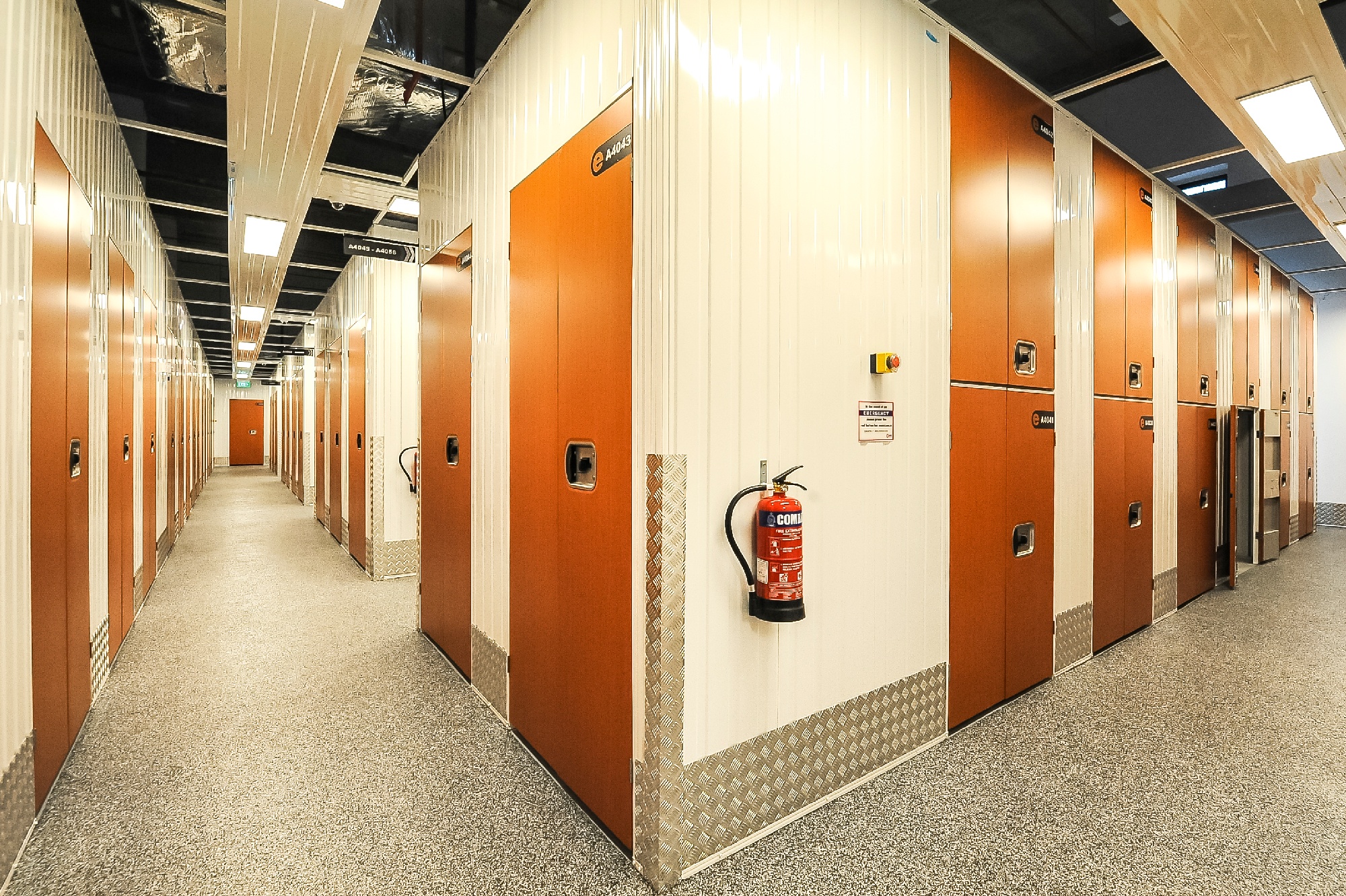
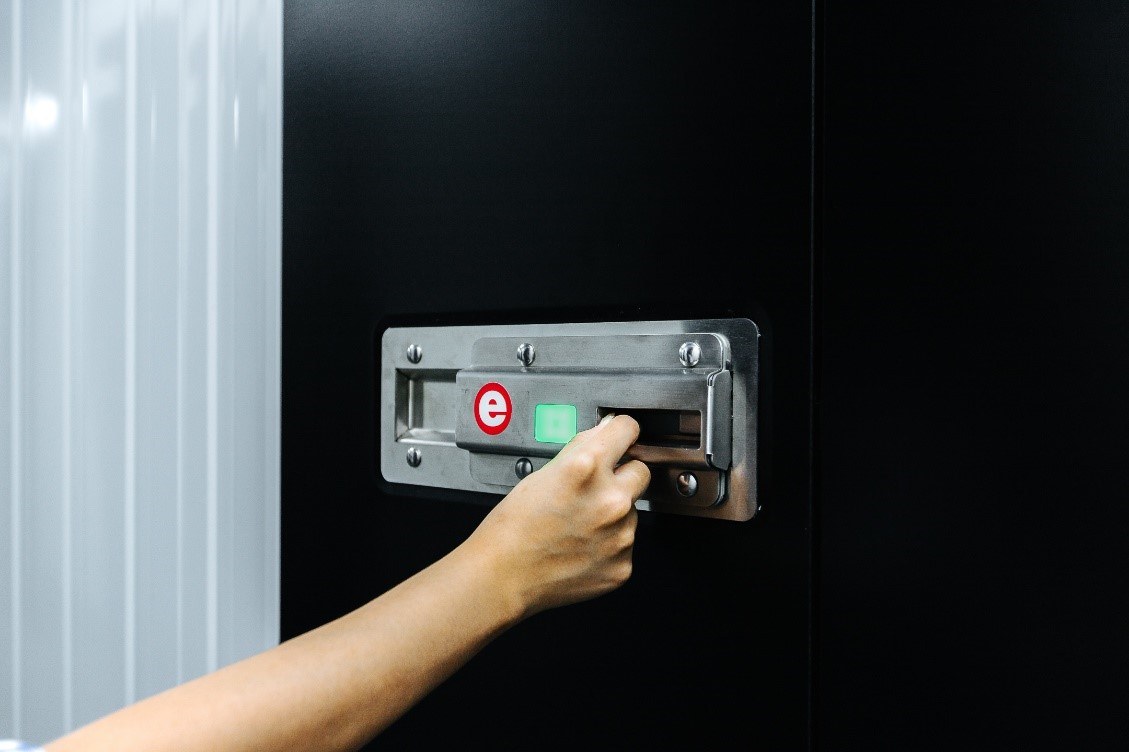
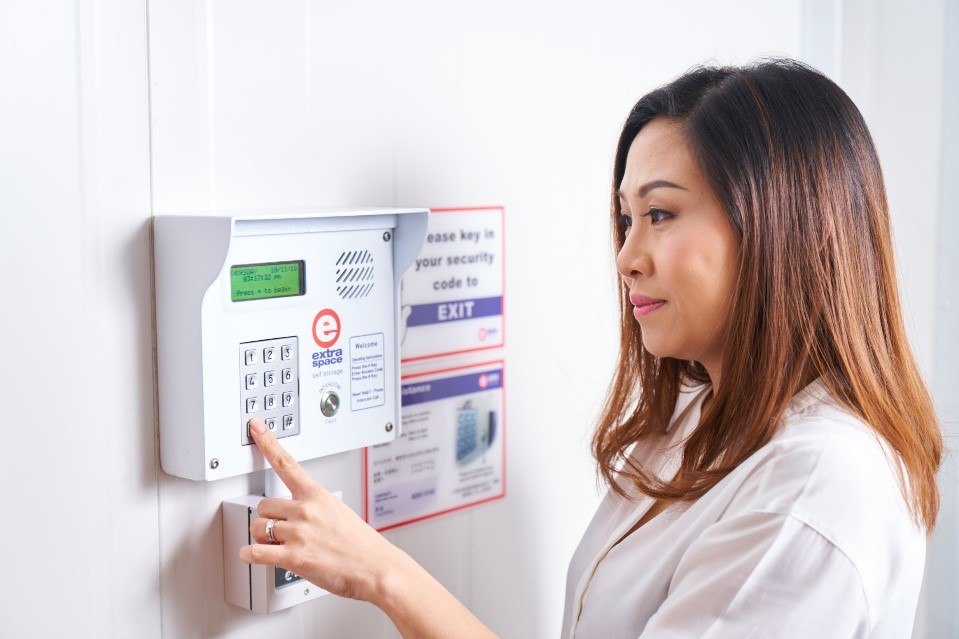
If you’re placing archived documents into temporary storage, choose a facility with controlled access, and surveillance.
Step 5: Plan for the Gap Between Moving Out and Moving In
In an ideal world, your new office is ready the day your old lease expires. In reality, renovation delays, permit approvals, and construction overruns mean you’re often vacating one space before the next is habitable.
What Happens When Your New Office Is Not Ready Yet
Renovation timelines slip. Contractors miss deadlines. Building management postpones handover. When your old lease ends but your new premises isn’t operational, you need a holding area that doesn’t compromise your assets or drain your budget.
How Temporary Storage Solves the In-Between Period
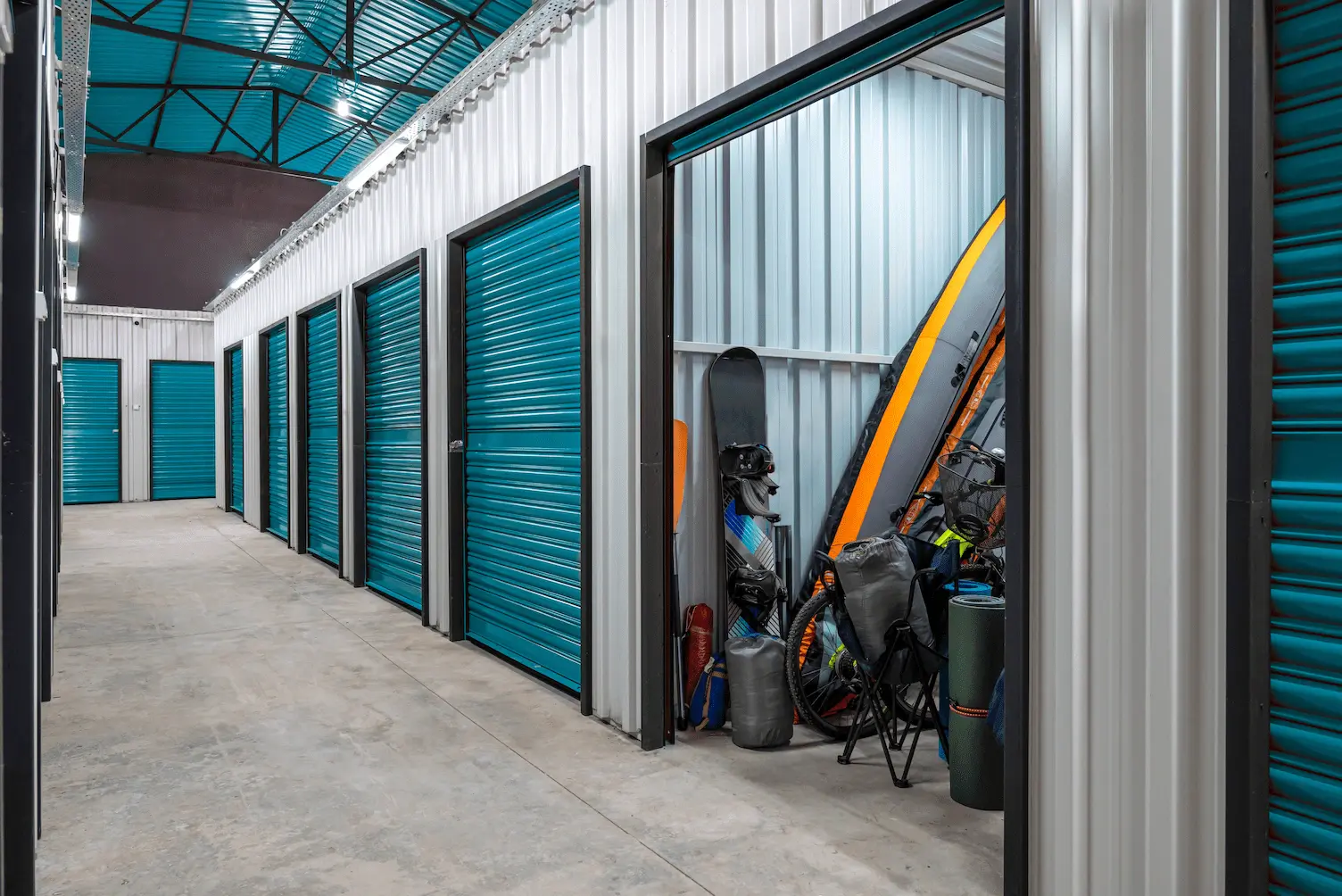
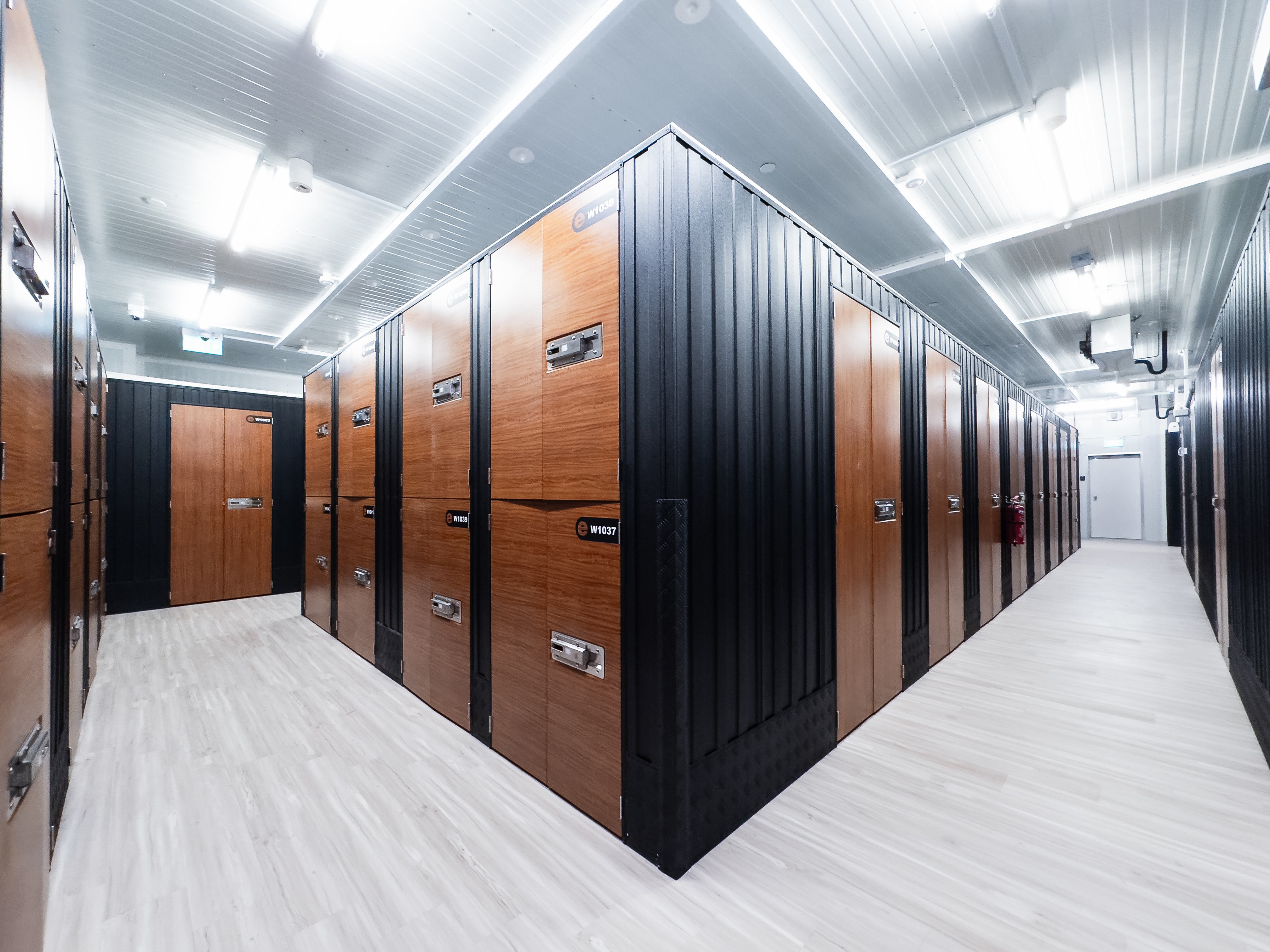
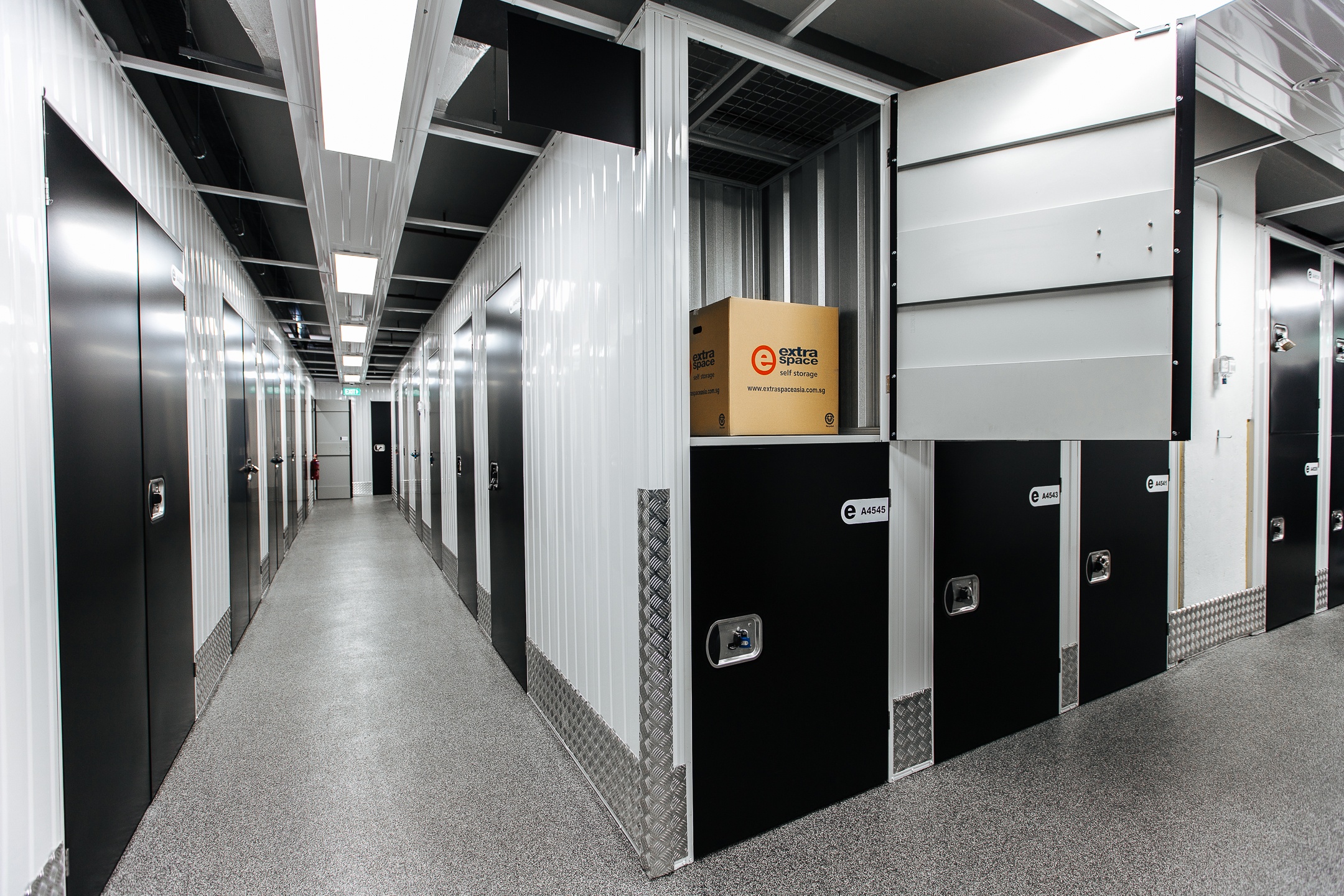
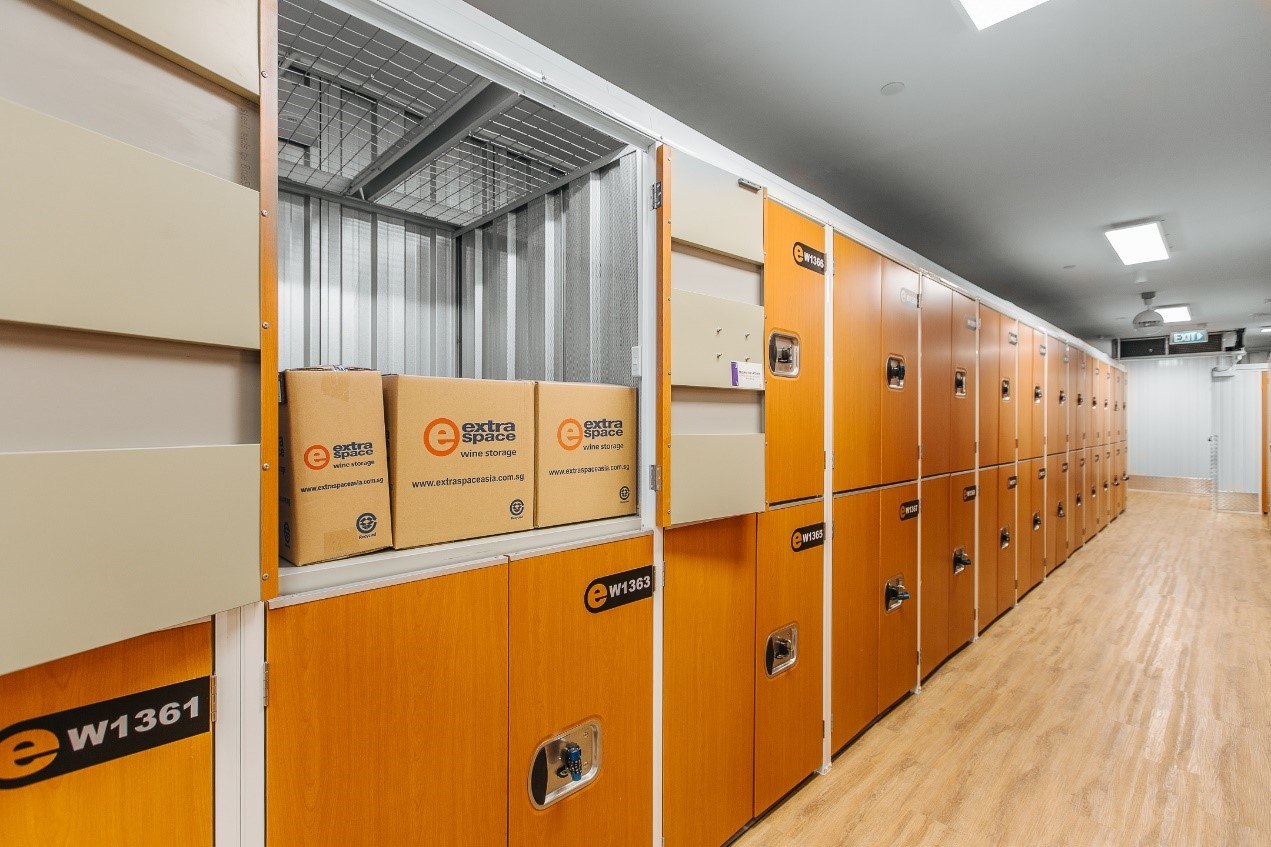
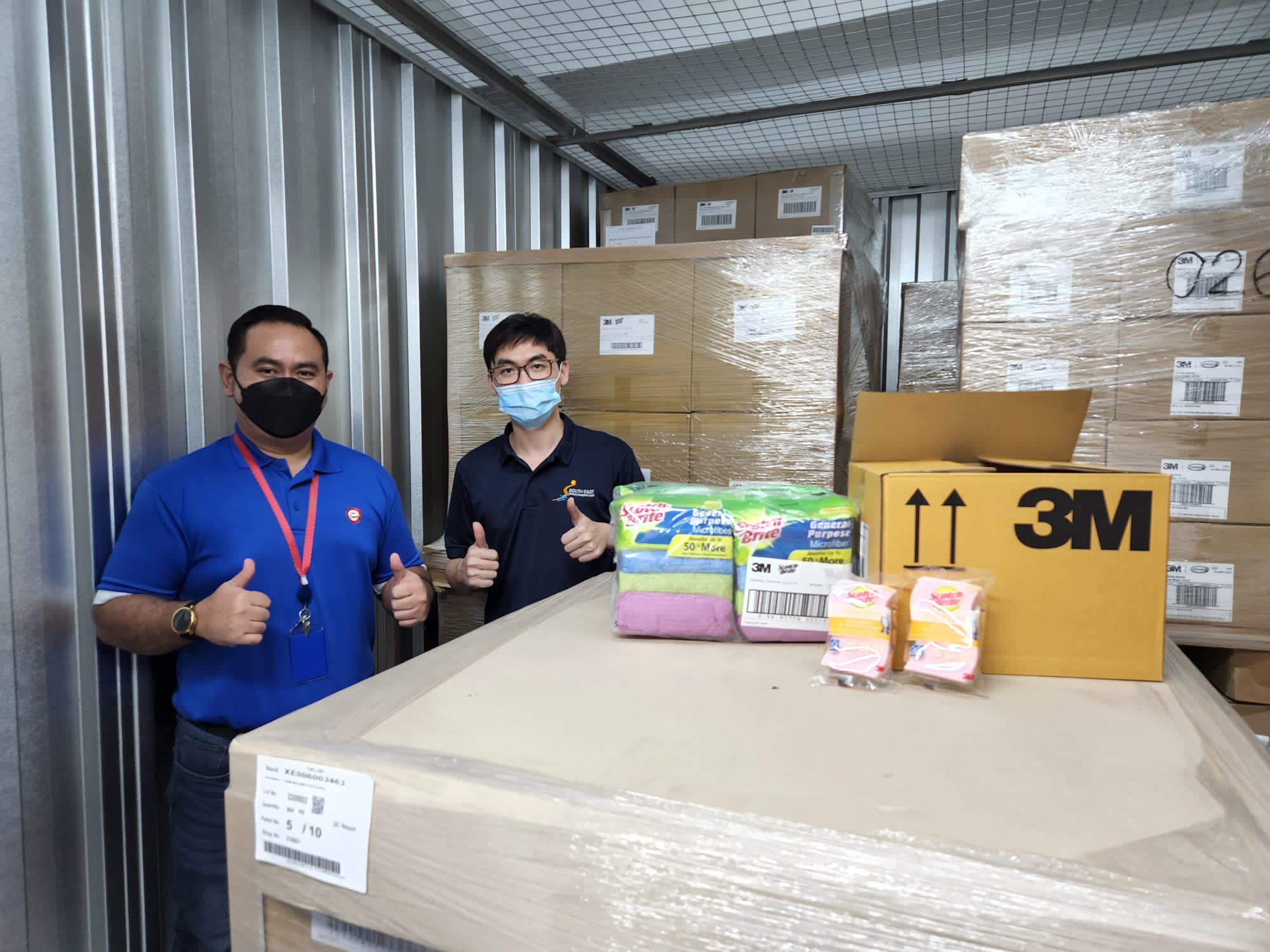
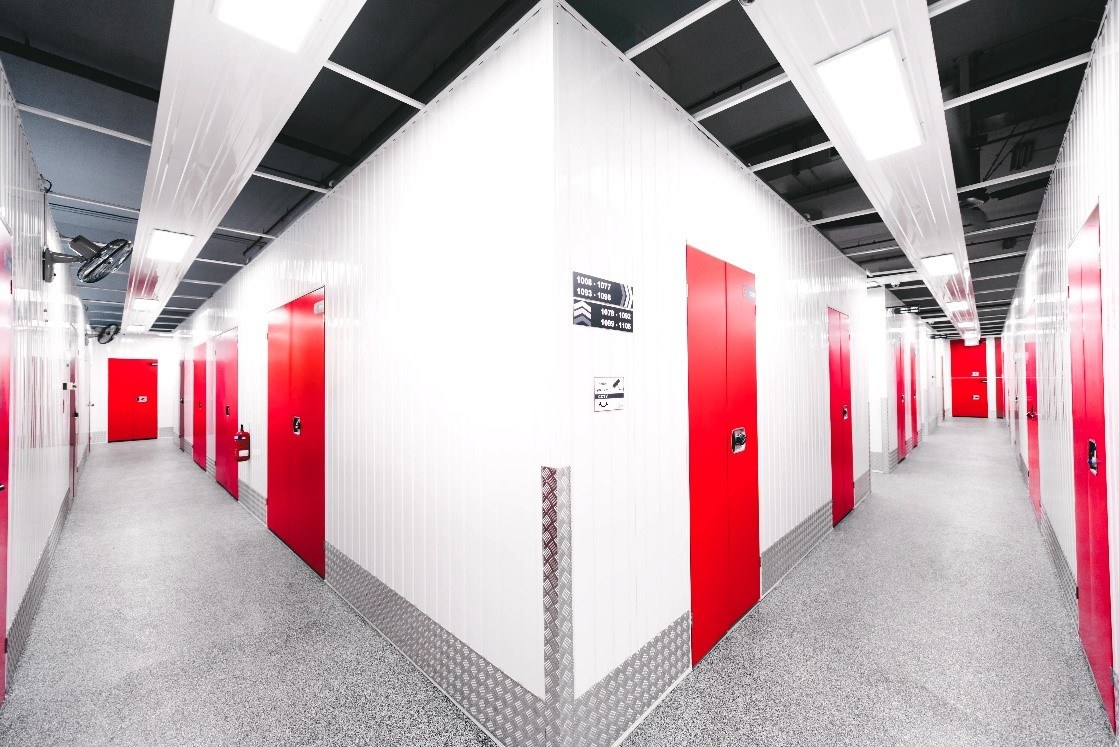
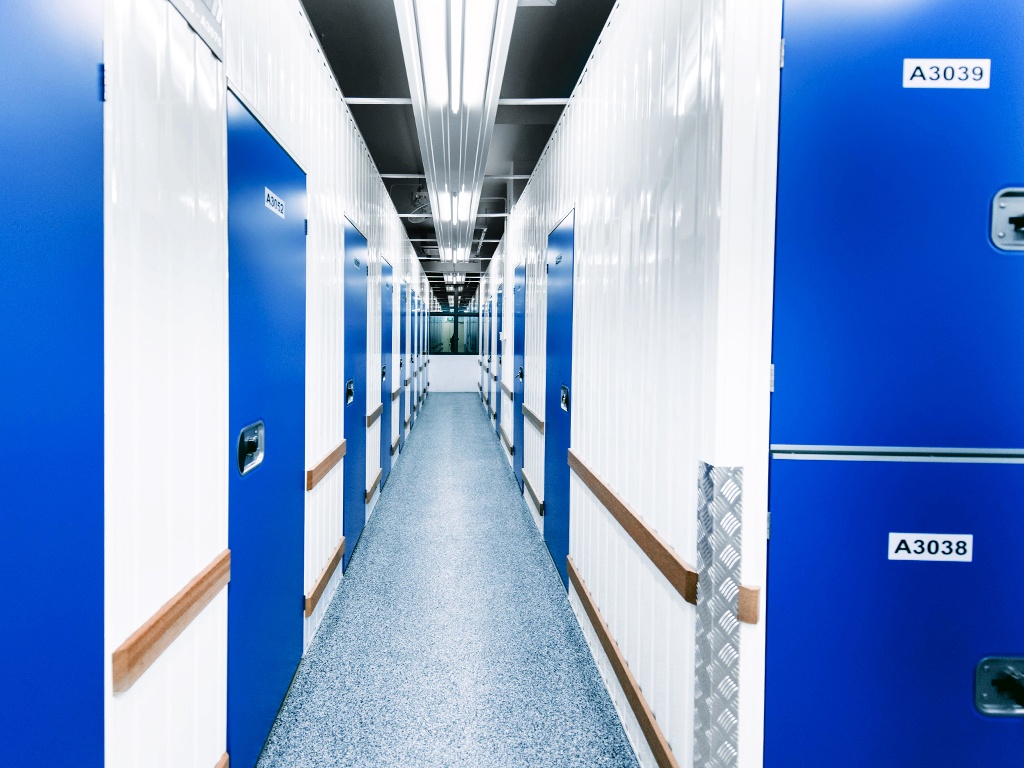
Self-storage facilities designed for business use provide secure, accessible space where you can park furniture, equipment, and inventory for days, weeks, or months. Unlike third-party warehouses that lock you into long minimum terms, flexible storage lets you scale up or down as your needs change.
Using Self-Storage During Office Renovation or Fitout
Even if your new office is technically ready, many businesses choose to store furniture and non-essential equipment offsite during renovation to avoid damage from dust, paint, and construction activity. Once the fitout is complete, you bring items back in stages, reducing congestion and allowing you to set up methodically rather than in a chaotic rush.
What to Do With Furniture and Equipment That Won’t Fit in the New Office
Downsizing is common when businesses move—whether because the new space has a different layout, you’re adopting hot-desking, or you’ve simply accumulated more furniture than your headcount justifies.
Storing Surplus Office Furniture Between Leases
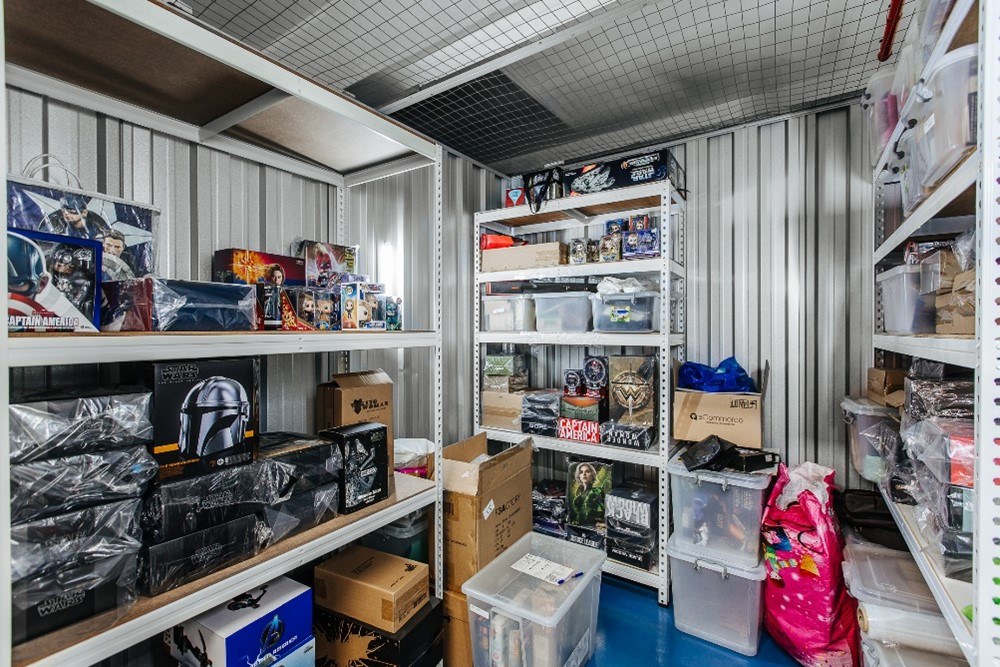
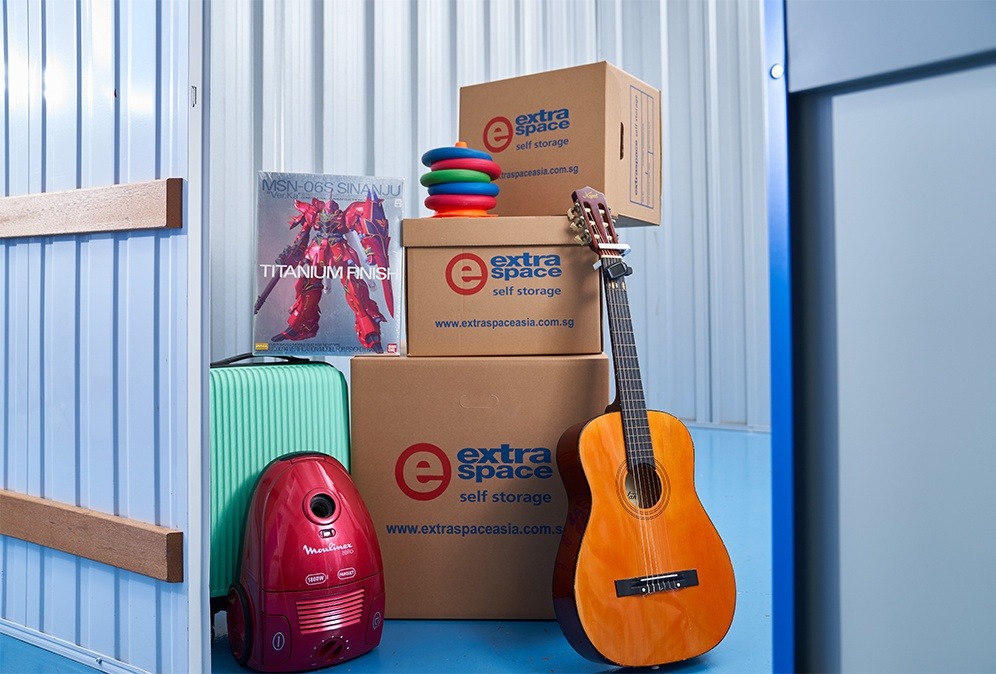
Storage creates a decision buffer. Instead of committing to disposal under time pressure, you can place surplus furniture in a secure unit and evaluate its utility once you’re settled.
Some items may find use in a satellite office, others might be repurposed for a staff breakout area, and a few will ultimately be sold or donated. You make those calls from a position of clarity rather than panic.
When Downsizing, Storage Buys You Time to Decide
Downsizing rarely goes to plan on the first iteration. Teams realise they need more meeting rooms than anticipated, hot-desking proves less popular than expected, or a new hire requires a workspace you didn’t account for.
Keeping a reserve of quality furniture in storage means you can respond to these adjustments without emergency purchases.
Business Storage at Extra Space Asia — Sizes, Access, and Flexibility
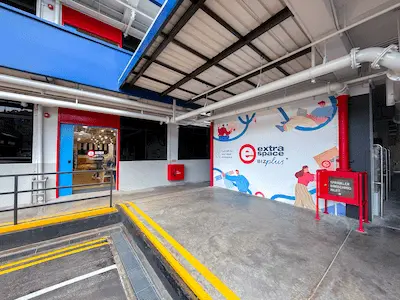
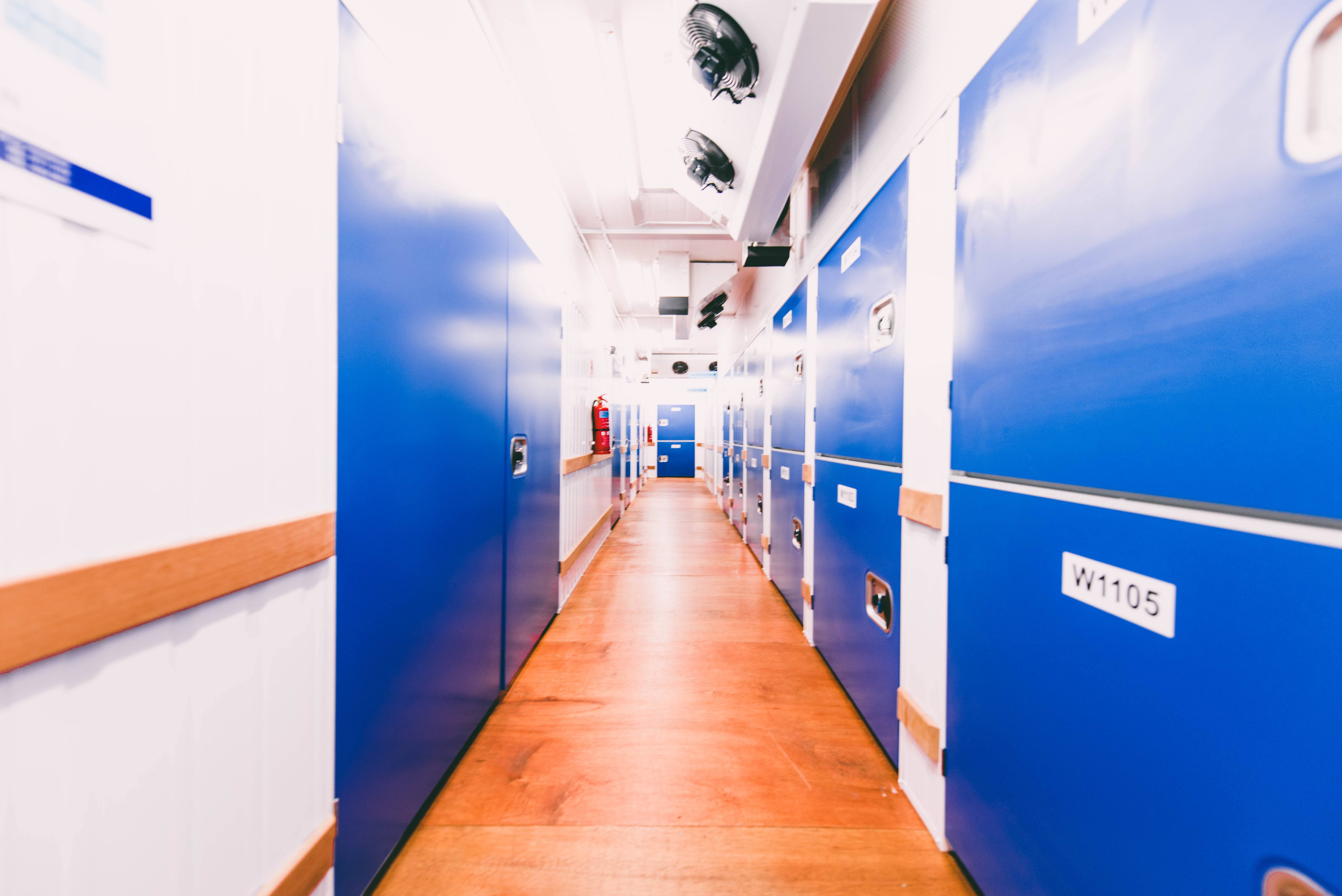
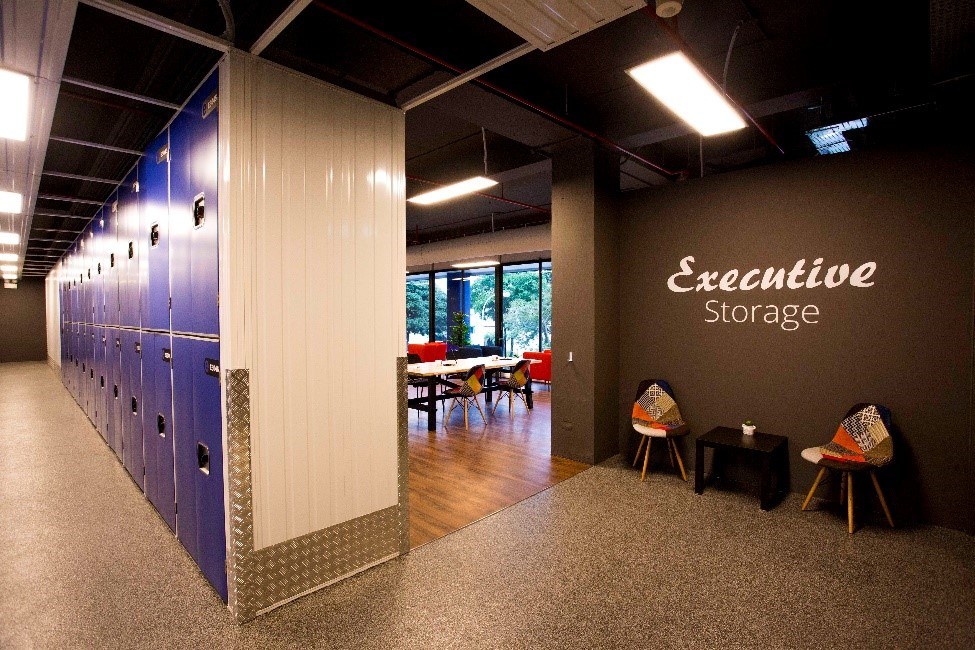
We offer storage units in multiple sizes across Singapore, designed specifically for business needs. Whether you’re storing a few filing cabinets or an entire office worth of furniture, you’ll find units that match your volume without paying for wasted space.
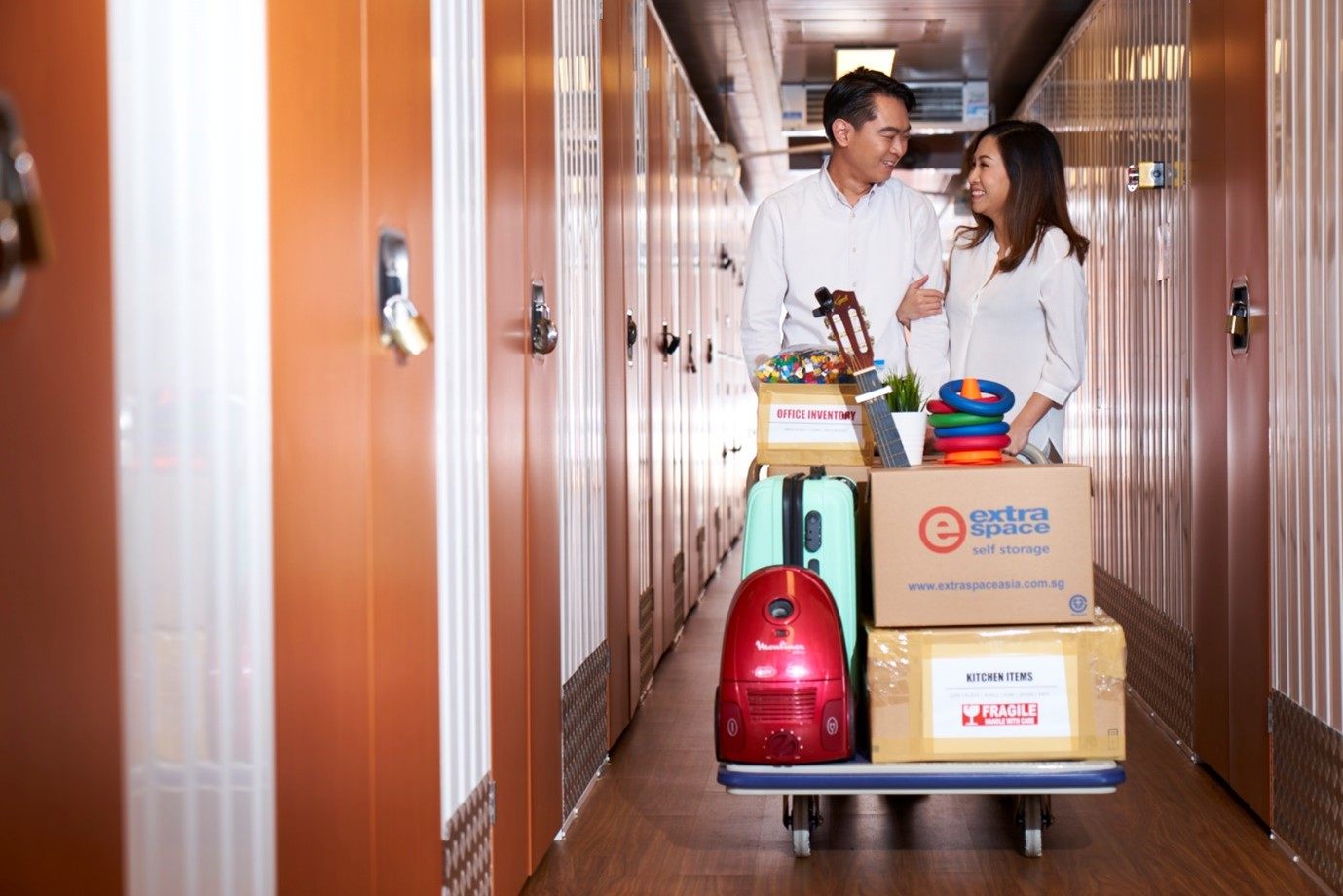
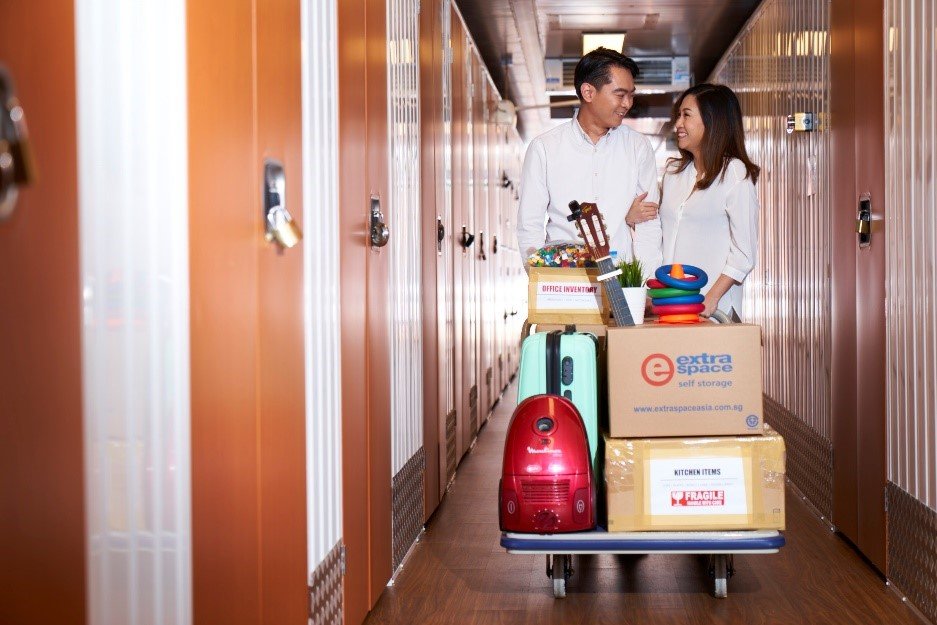
Access is available seven days a week, our facilities include trolleys and loading bays built to accommodate office furniture, and our month-to-month contracts mean you’re not trapped in long-term commitments when your storage needs change.
Settling Into Your New Office — The First Week Checklist
The physical move is complete, but your work isn’t finished until your team can operate at full capacity.
Check Utilities, Internet, and Access Controls Before Staff Arrive
Walk through your new office at least two days before your official move-in date. Test every power outlet, confirm that internet lines are active and delivering the promised bandwidth, and verify that access cards, biometric systems, and door locks function correctly.
Update Your Business Address Across All Platforms and Registrations
Your address appears in more places than you realise: ACRA records, bank accounts, vendor contracts, client agreements, marketing collateral, email footers, Google Business profiles, and industry directories.
Create a comprehensive list of every platform that holds your address and methodically update each one. Assign ownership of this task to your moving coordinator and set a deadline for completion within the first week of occupancy.
Conduct a Post-Move Review With Your Team
Gather feedback from employees, department heads, and your moving coordinator whilst the experience is still fresh. What went well? What caused delays or confusion? This review captures lessons that make your next move, or your next project of similar scale, more efficient. Document these insights and file them with your operations team so institutional knowledge doesn’t evaporate when key people leave.
Making Office Relocations Smooth Throughout Singapore
Office relocations in Singapore demand precision, coordination, and a willingness to plan for outcomes you can’t fully predict. By starting early, decluttering ruthlessly, choosing experienced partners, and using temporary storage to bridge gaps, you transform what is often a chaotic scramble into a controlled transition that protects your assets and maintains business continuity.
At Extra Space Asia, we understand that moving is only part of the equation. How you manage the space between offices and what you do with surplus items all contribute to a relocation that strengthens rather than disrupts your business. Explore our business storage in Singapore or speak with our team to find the right solution for your office relocation.
Frequently Asked Questions
How Far In Advance Should I Book Office Movers In Singapore?
You should start planning and booking office movers at least three months in advance for standard relocations, with larger operations requiring up to six months to secure preferred service providers and coordinate building access permits. Early booking creates room for contingency planning and prevents the cost overruns associated with rushed relocations.
Can Office Movers Handle It Equipment And Servers?
Professional office movers in Singapore can handle IT equipment and servers when they have proper experience with commercial relocations, anti-static packing materials, and insurance coverage for business assets. You should verify their specific protocols for cable labelling, server rack handling, and transport of sensitive electronics before signing any contract.
What Should I Do With Office Furniture That Doesn’t Fit In The New Space?
Place surplus office furniture in temporary business storage rather than disposing of it immediately, giving yourself time to evaluate whether items can be repurposed for satellite offices, breakout areas, or future workspace adjustments. Storage creates a decision buffer that prevents regrettable disposal decisions made under time pressure during downsizing transitions.
Is Temporary Storage Available During An Office Move In Singapore?
Yes, business storage facilities in Singapore offer flexible, month-to-month contracts that allow you to store furniture, equipment, and inventory during the gap between moving out and moving in. These facilities provide secure units with seven-day access, solving problems caused by renovation delays or lease timing mismatches.
Does Extra Space Asia Offer Storage For Businesses During Office Relocation?
Yes, Extra Space Asia provides business storage units in multiple sizes across Singapore, with seven-day access, trolleys, loading bays designed for office furniture, and flexible month-to-month contracts. The facilities are specifically designed to handle everything from a few filing cabinets to entire office inventories during relocations, renovations, or downsizing transitions.