How to Store Fine Art in Singapore
Blog
July 20, 2026
Fine art storage requires a higher level of care than everyday household storage. Paintings, framed prints, sculptures, collectables and limited edition pieces are sensitive to handling, packing, movement and storage conditions, where even small mistakes can affect their condition over time.
In Singapore, limited home space, frequent renovations, office relocations and growing collections make proper art storage especially useful. Fine art storage services support collectors, homeowners, galleries, designers and businesses that need a secure place to keep artwork safely when it is away from display.
At Extra Space, we understand that artwork is often more than an object. It may hold financial value, sentimental meaning, or professional importance.
In this guide, we will walk you through preparing your artwork for storage, what can damage fine art, and what to look for when choosing art storage in Singapore.
Why Proper Art Storage Matters in Singapore
Fine art needs proper storage because it can be affected by handling, light exposure, dust, heat, pests, and accidental impact. Even if an artwork looks strong on the outside, its frame, canvas, paper, varnish, mounting, or surface may still be sensitive.
Museums and conservation teams treat storage as part of the care of artworks. For example, the Singapore Art Museum has shared how the Heritage Conservation Centre stores and cares for artworks and artefacts from the National Collection, showing that storage plays an important role in protecting art over time.
For homeowners, businesses, and private collectors, the principle is similar. You may not need museum-level storage, but you do need a space that is clean, secure, organised, and suitable for keeping artwork away from everyday risks.
Proper fine art storage can help when you are:
- Renovating your home or office
- Moving to a new place
- Freeing up wall or storeroom space
- Rotating artwork between displays
- Keeping inherited or sentimental pieces safe
- Storing artworks before resale, framing, delivery, or installation
- Managing art inventory for a business, gallery, or interior project
The goal is to ensure your artwork remains protected, easy to retrieve, and properly organised between displays.
Sources of Damage to Fine Art in Singapore Homes and Offices
Fine art is often damaged by repeated exposure to poor storage practices rather than a single major accident. Before you choose fine art storage services, it helps to understand the most common risks.
Poor Handling
Handling is one of the biggest risk points for artwork. Much damage to paintings and frames happens during handling, including dirt deposits, paint loss, abrasion, dents, tears, scratches, and frame damage.
- Common handling mistakes include:
- Holding the artwork by the top of the frame
- Touching the painted or printed surface directly
- Moving large pieces without enough support
- Stacking artworks without padding or dividers
- Dragging frames across the floor
- Packing artwork too tightly with heavy items
When you move artwork, we recommend treating each piece as fragile, even if the frame feels sturdy. Use two hands to support the artwork from both sides, avoiding pressure on the front surface.
Direct Sunlight and Strong Light Exposure
Strong light can fade colours and affect delicate materials over time. This is especially important for prints, photographs, paper-based works, textiles, and mixed media pieces.
When storing artwork, avoid placing it near windows, glass doors, balconies, or areas with direct sunlight. If the artwork is wrapped, labelled, and placed inside a proper storage unit, it is less likely to be exposed to unnecessary light.
Dust and Dirt
Dust may look harmless, but it can settle into frame edges, textured canvas surfaces, paper fibres, and small gaps. Over time, dust can become harder to remove safely.
This is why we do not recommend leaving artwork in open storerooms, exposed office corners, or renovation areas. A clean storage space helps reduce contact with dirt, debris, and everyday movement.
Heat and Poor Indoor Conditions
Heat can affect materials such as adhesives, frames, paper, varnish, and paint layers. In Singapore, artwork kept in enclosed rooms, attics, balconies, or non-ventilated spaces may be exposed to uncomfortable indoor conditions.
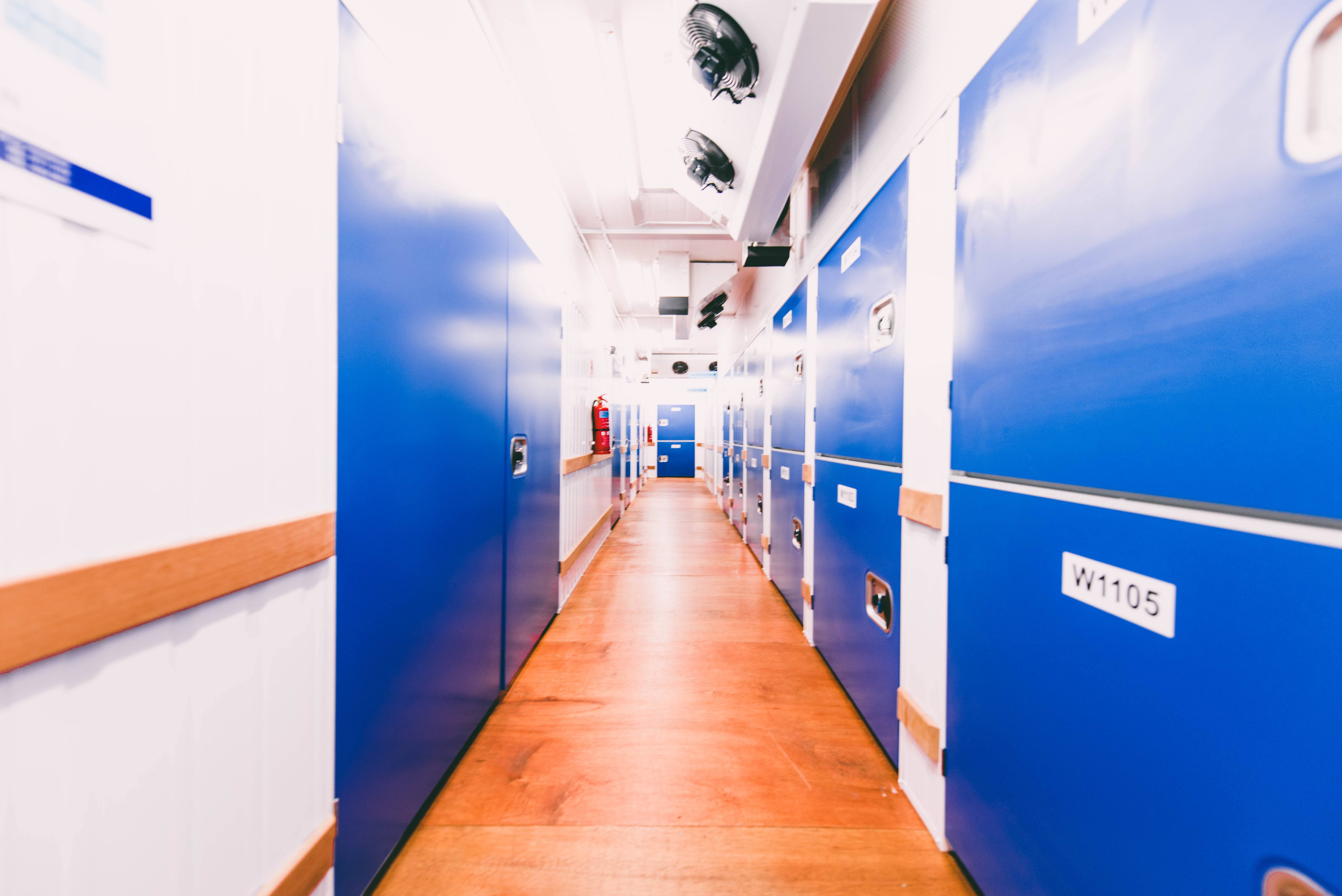
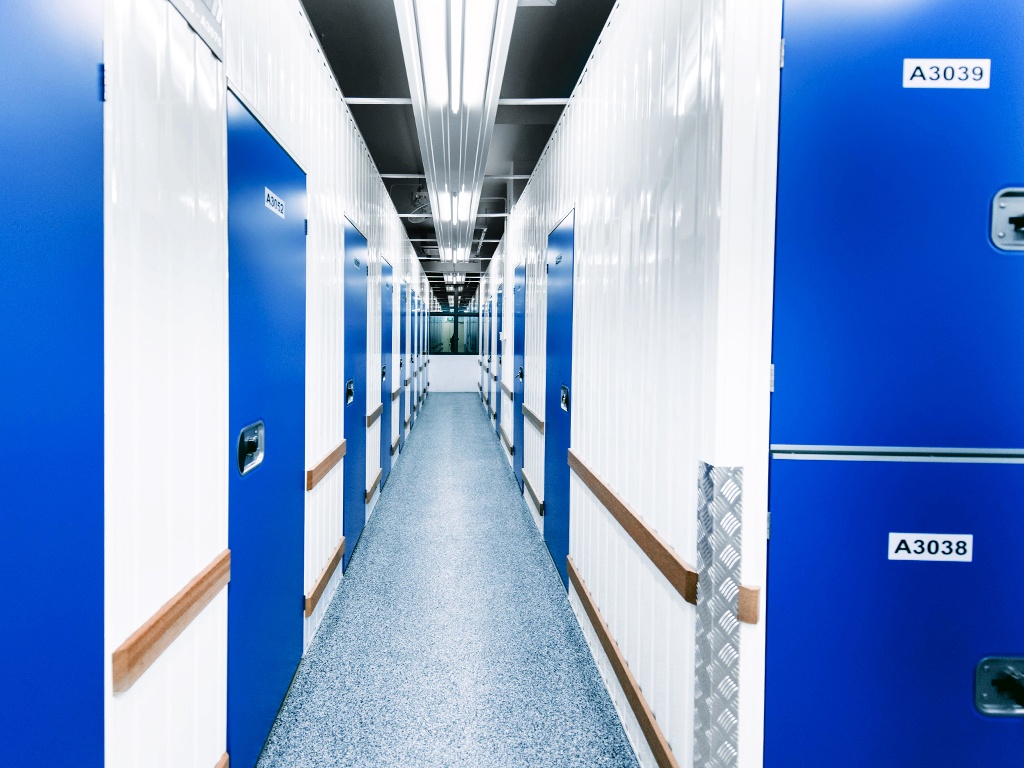
Air-conditioned storage can help keep your artwork away from hot, stuffy environments. It is a practical option if you do not want to store fine art in a crowded home storage room or office.
Pests
Artwork made with paper, canvas, wood, natural fibres, or backing materials can be vulnerable if stored in poorly maintained areas. Cleanliness, proper packing, and an organised storage environment can reduce the risk of pest-related damage.
Accidental Impact
Many artworks are damaged simply because they are stored in the wrong place. A frame leaning behind a door, a canvas placed beside sports equipment, or a print stored under heavy boxes can easily get scratched, bent, or cracked.
When we advise customers on art storage in Singapore, one of the most important points is to leave enough space around fragile items. Your unit should not be packed so tightly that every retrieval becomes a risk.
Poor Security
Fine art may carry financial, sentimental, or business value. Whether you are storing one valuable painting or multiple artworks, security matters.
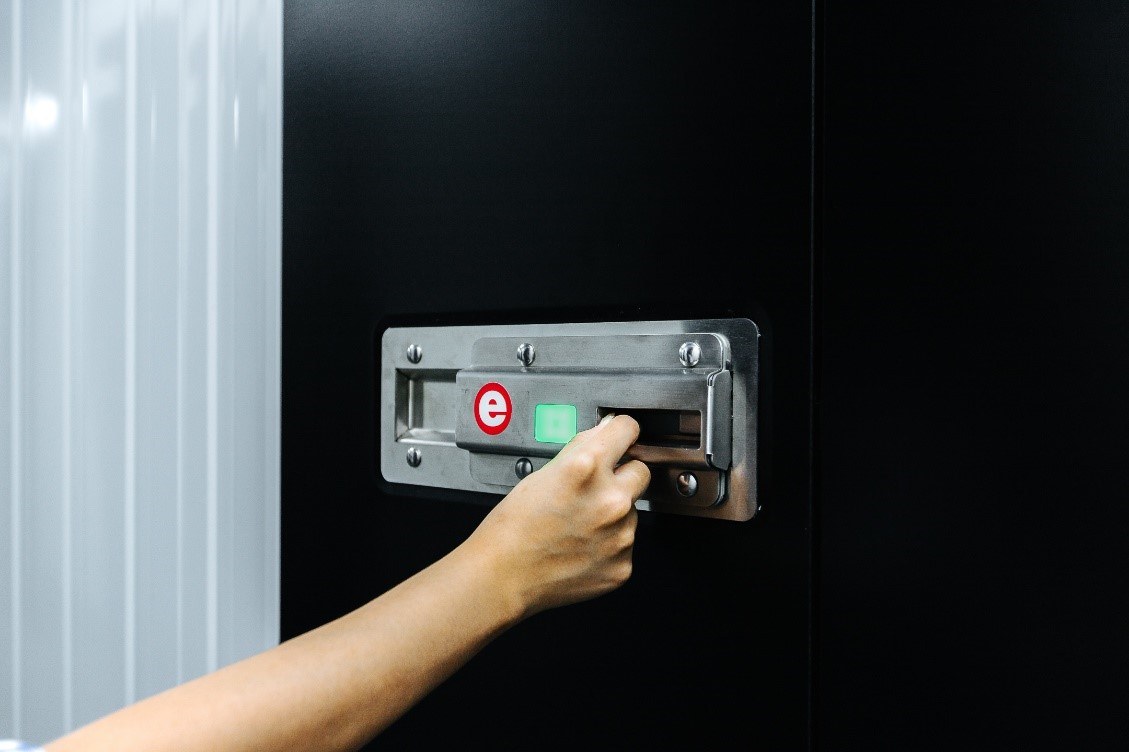
Look for a storage facility with controlled access, CCTV monitoring, and proper entry procedures. You should feel confident that your artwork is not only packed well but also kept in a secure environment.
How to Prepare Your Artwork for Storage
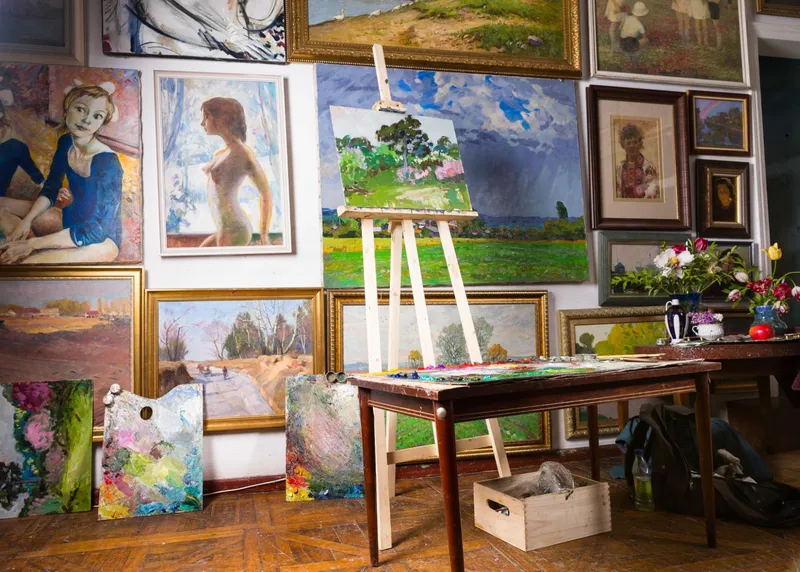
Before you place artwork into storage, take the time to properly prepare it. Good preparation reduces the risk of damage during packing, transport, and retrieval.
Document Each Artwork First
Before packing anything, we recommend creating a simple inventory. Take clear photos of each artwork from the front, back, sides, corners, frame, and any existing marks.
Record key details such as:
- Artwork title
- Artist name, if known
- Medium
- Size
- Condition notes
- Purchase date or provenance
- Estimated value
- Storage box or wrapping label
- Insurance details, if applicable
This gives you a useful reference if you need to check a condition, retrieve a specific piece, update your insurance record, or manage a larger collection.
Clean the Packing Area
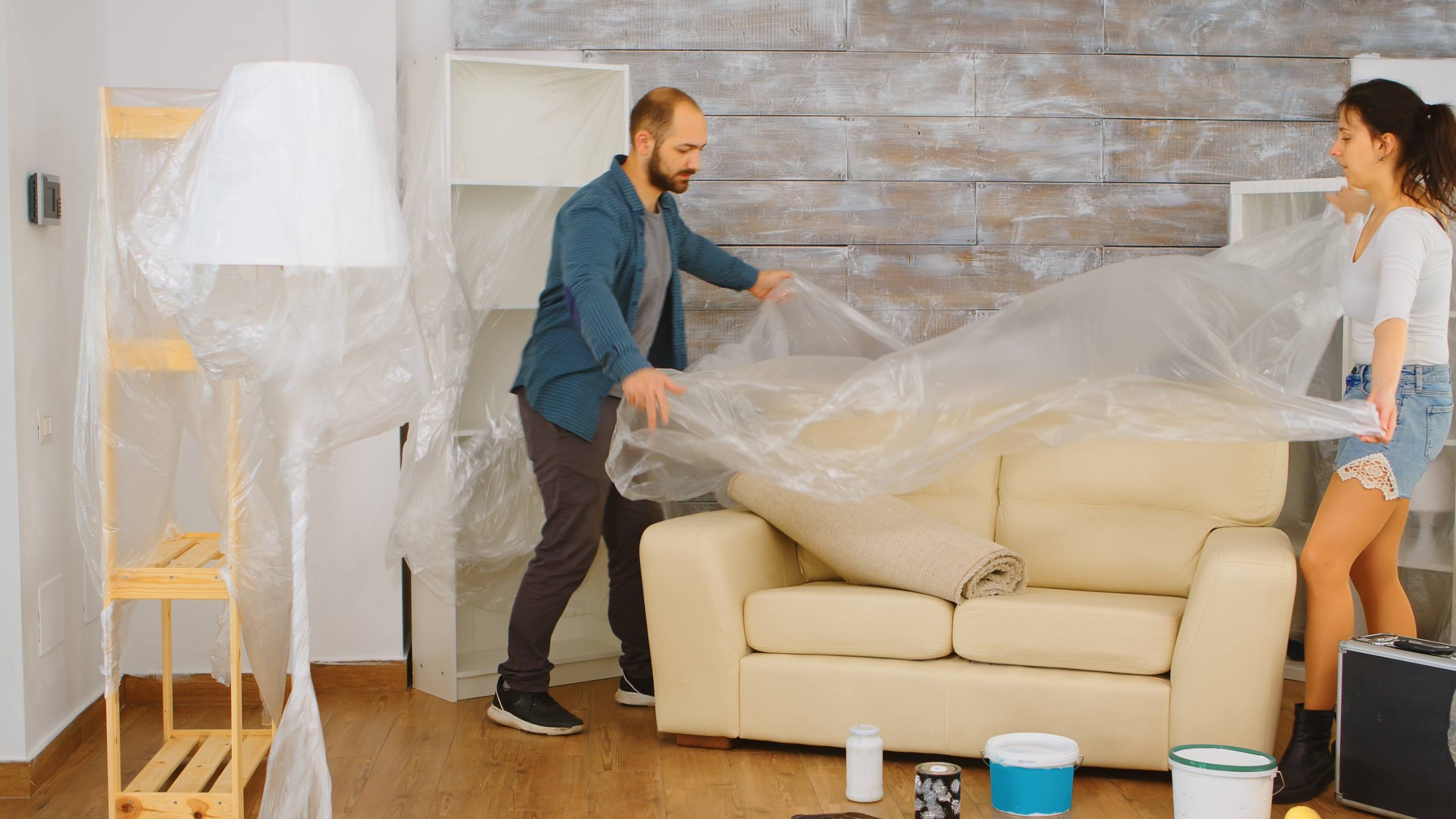
Do not start packing artwork in a messy room. Clear the area first and remove food, drinks, stationery, tools, sharp objects, and loose debris.
Wash and dry your hands before handling artwork. For delicate pieces, use clean cotton gloves where suitable. We advise careful handling of paintings, including moving only one painting at a time and using two or more people for large panels and canvases.
Avoid Direct Contact With the Artwork Surface
Try not to touch the artwork surface directly. Oils and dirt from your hands can transfer onto paint, paper, prints, or delicate finishes.
When wrapping artwork, avoid pressing plastic or bubble wrap directly against painted or delicate surfaces. Use a suitable first layer such as acid-free tissue, glassine paper, or another art-safe material before adding outer protection.
Protect Frames and Corners
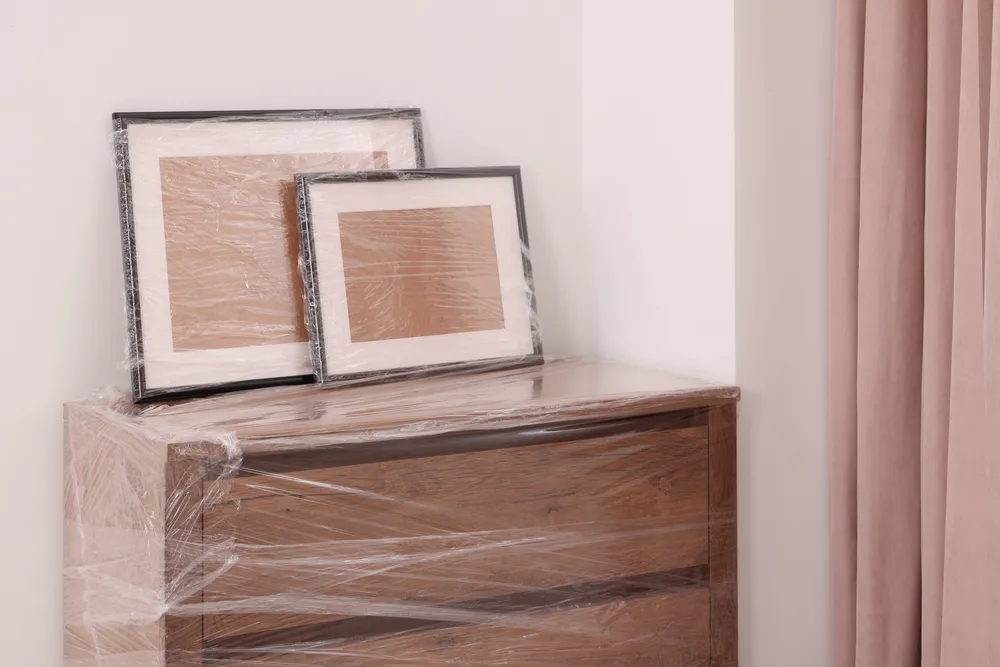
Frames and corners are common points of damage. Use corner protectors, foam padding, or cardboard edge guards to reduce the risk of chips, dents, and scratches.
For framed artwork with glass, apply painter’s tape or specialist glass protection tape in a cross pattern across the glass before wrapping. This does not prevent breakage, but it can help hold pieces together if the glass cracks during a move.

Use the Right Packing Materials
The right materials make a big difference. For fine art storage, consider using:
- Acid-free tissue paper
- Glassine paper
- Foam board
- Corner protectors
- Cardboard edge guards
- Sturdy cartons
- Soft padding
- Custom crates for higher value pieces
- Labels and inventory tags
Avoid newspaper, thin plastic bags, weak boxes, dirty reused cartons, or materials that may transfer ink or colour.
Store Artwork Upright Where Possible
Framed paintings and prints are usually safer when stored upright, as they would hang on a wall. Avoid placing heavy items on artwork.
If you need to store several pieces together, place padding or dividers between them. Do not let glass, frames, or surfaces press directly against each other.
Label Everything Clearly
Good labelling reduces unnecessary handling. Label each wrapped artwork or box with:
- Artwork name or reference number
- Fragile note
- This side up instruction
- Storage inventory number
- Handling reminder, if needed
This is especially useful if you are storing multiple pieces in one unit. When you can identify items quickly, you reduce the need to unwrap or move everything just to find one artwork.
Choosing the Right Fine Art Storage in Singapore
Not every storage option is suitable for art. When comparing fine art storage services in Singapore, you should look beyond the monthly price and unit size.
A good storage choice should help you reduce handling risks, keep your collection organised, and give you convenient access when needed.
Consider What Type of Artwork You Are Storing
Different artworks need different storage approaches.
Paintings need surface and frame protection.
Framed prints need support against glass breakage and bending.
Paper-based works may need backing boards or flat storage.
Sculptures may need padding, crates, or shelving.
Large artworks may need wider access paths and careful transport.
Before choosing a unit, make a list of how many pieces you need to store, their sizes, and whether they are framed, unframed, fragile, or bulky. This helps you choose a storage size that works properly.
Choose a Unit With Enough Space
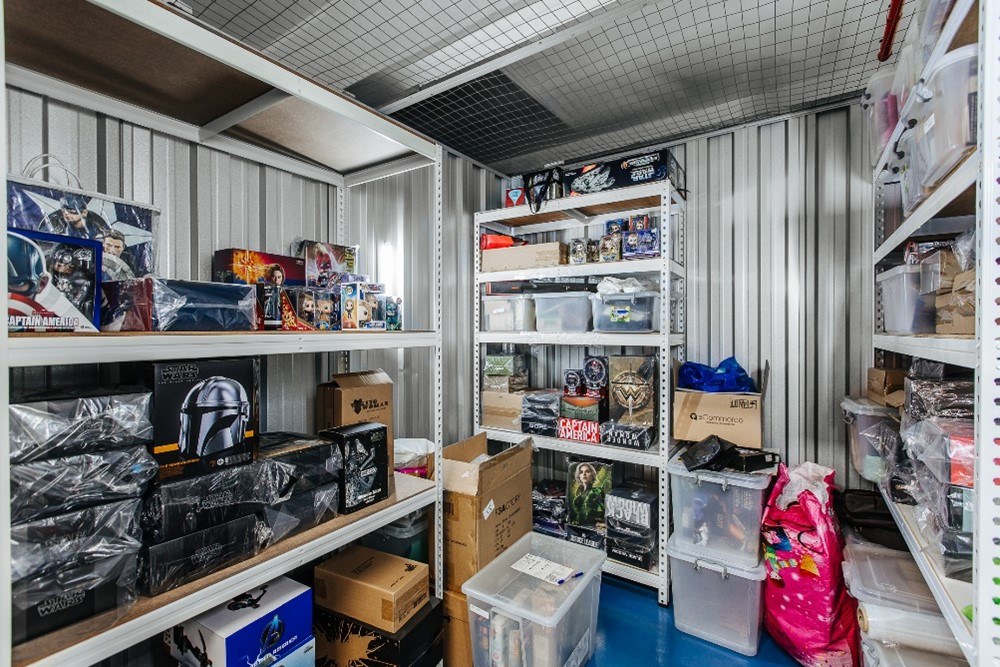
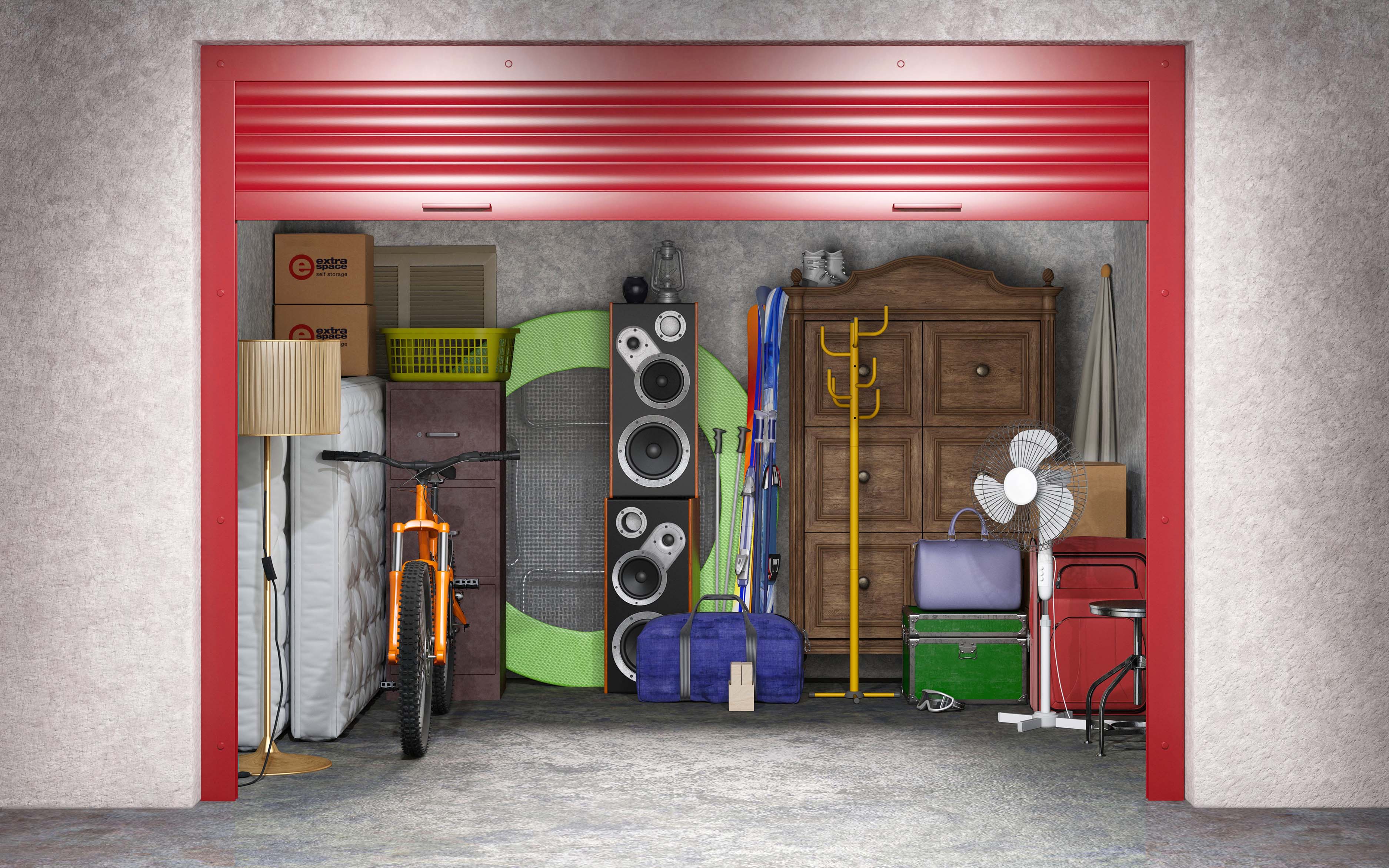
It can be tempting to pick the smallest unit possible, but fine art should not be squeezed into a cramped space. You need room for protective wrapping, vertical placement, padding, and safe access.
We recommend choosing a unit that allows you to:
- Keep framed pieces upright.
- Separate fragile items
- Use shelves or racks where suitable.
- Create a small access path.
- Retrieve artwork without moving every item.
- Leave space for future additions.
A slightly better organised unit is usually safer than a tightly packed one.
Check Whether Air Conditioned Storage Is Available
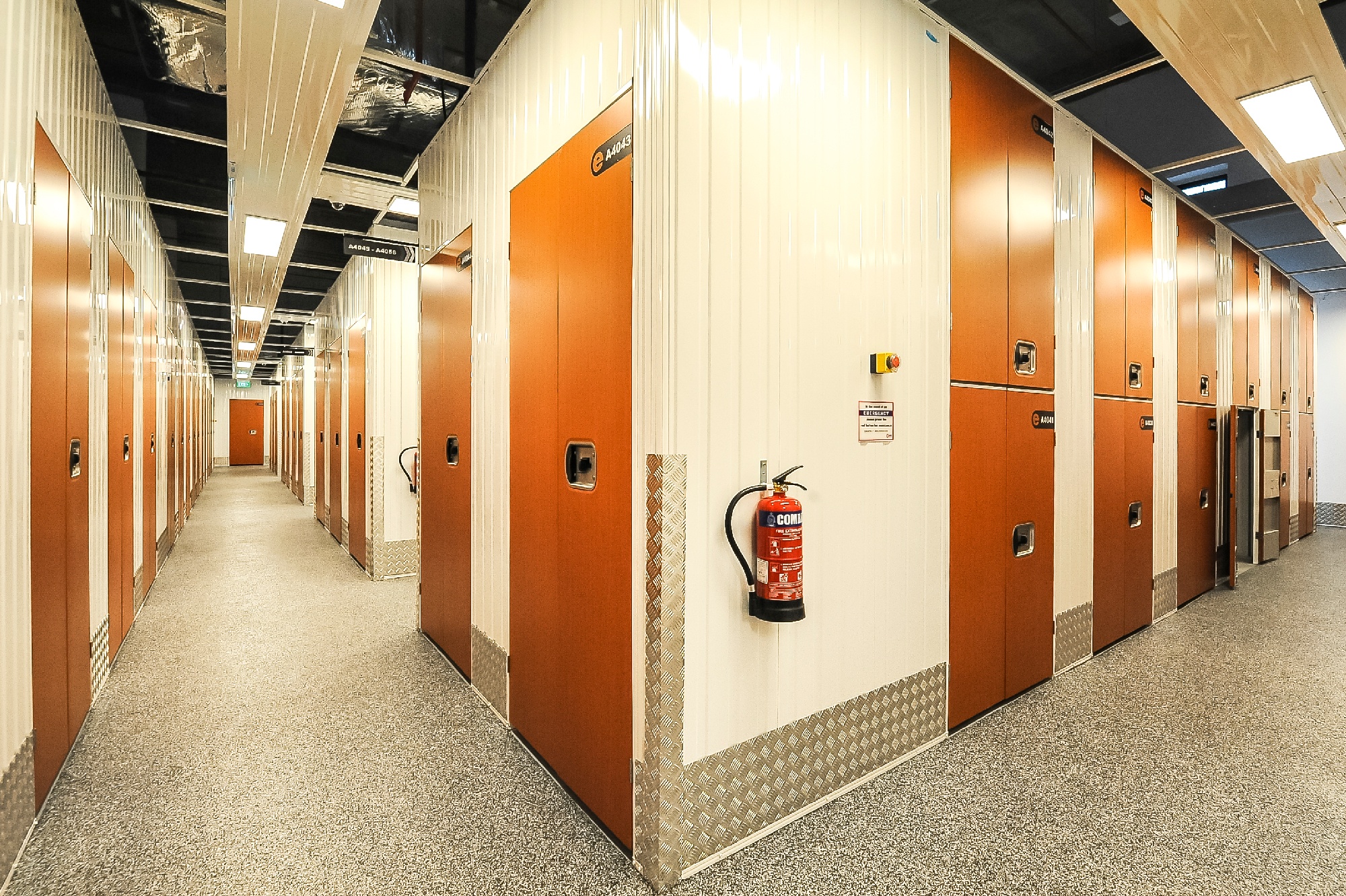
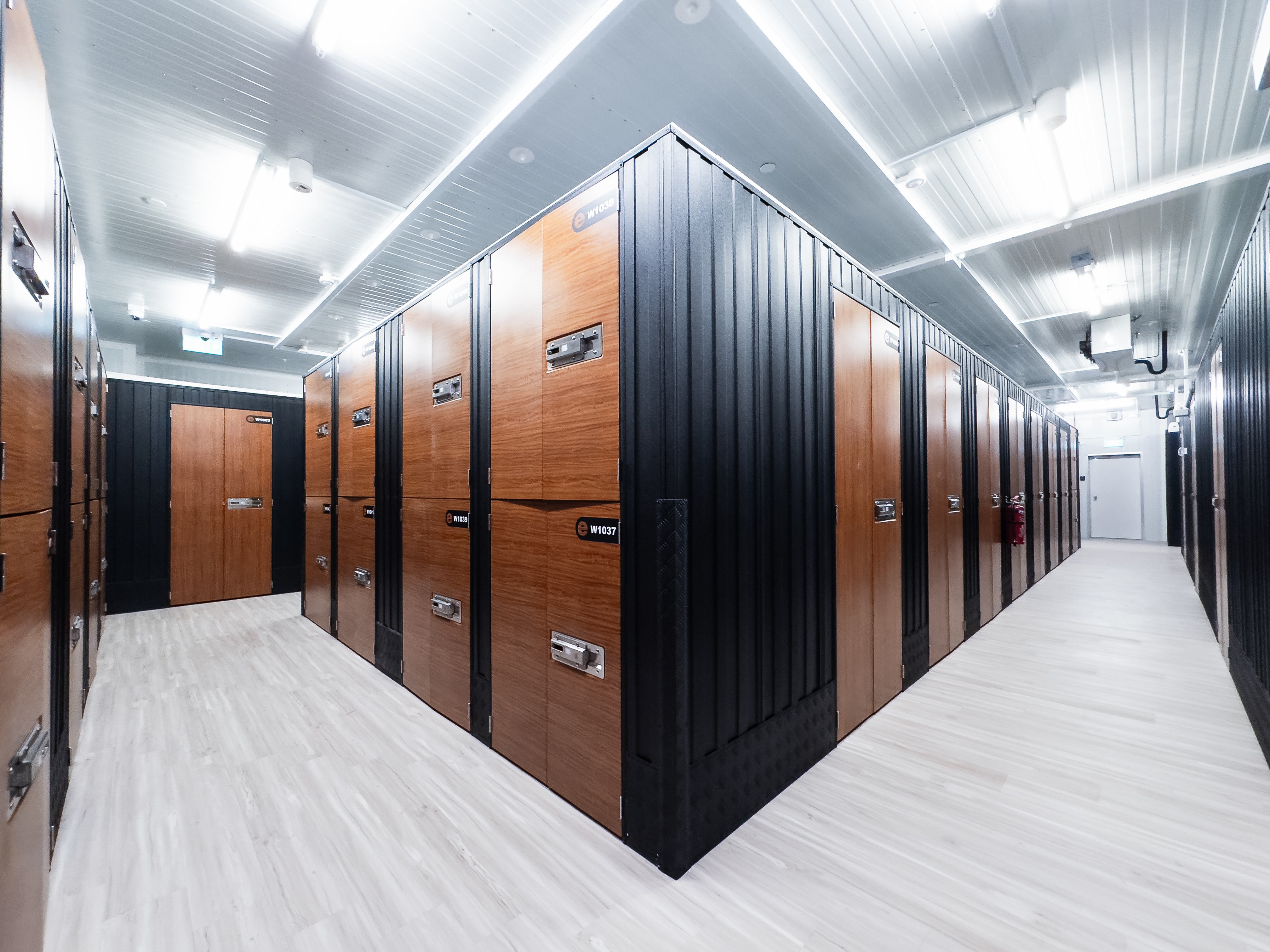
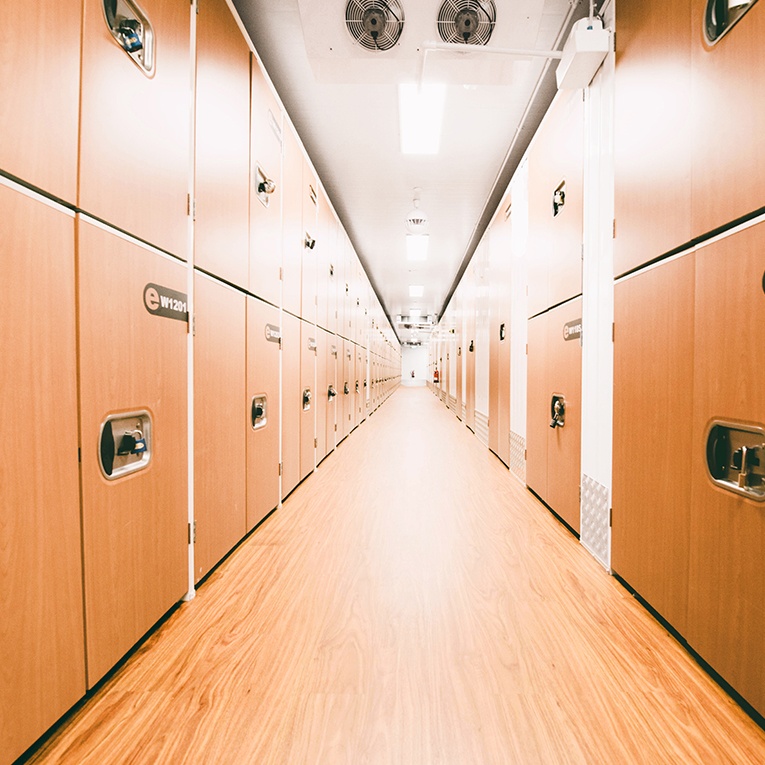
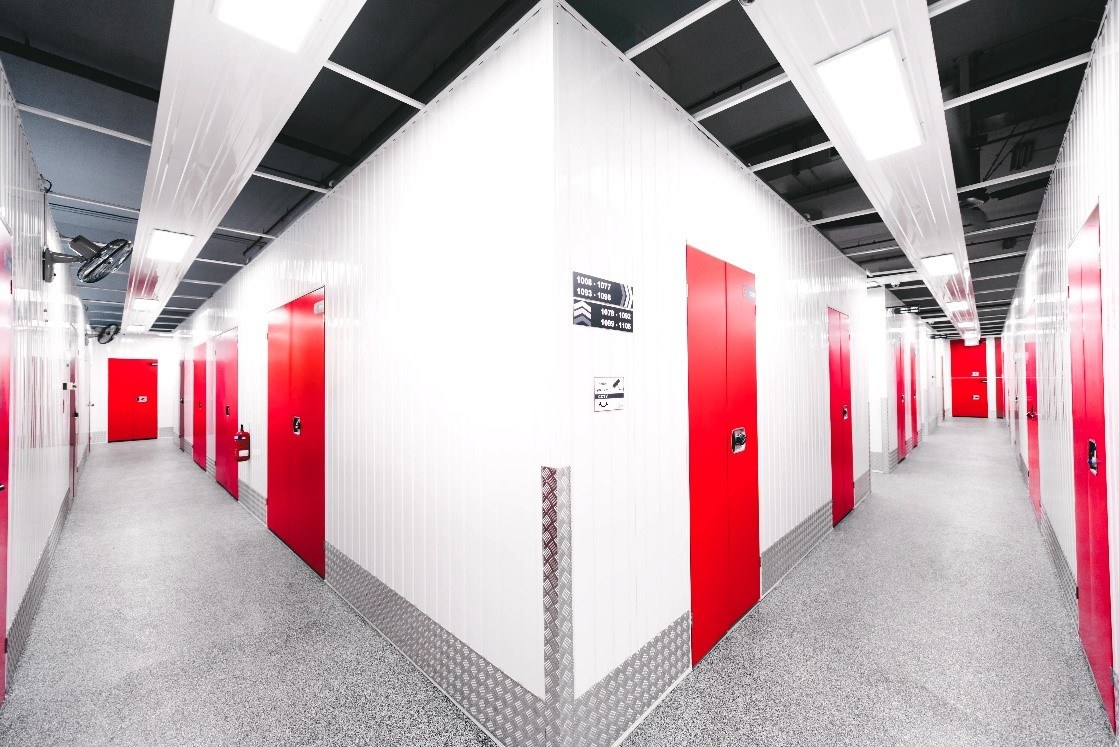
If you are storing artwork in Singapore, air-conditioned storage can be a practical choice. It helps keep pieces out of hot, stuffy spaces and provides a more suitable environment than a typical home storage room or an exposed office corner.
This is especially useful if your artwork includes framed prints, canvas pieces, collectables, or sentimental items that you do not want to leave in a crowded room.
Look at Security Features
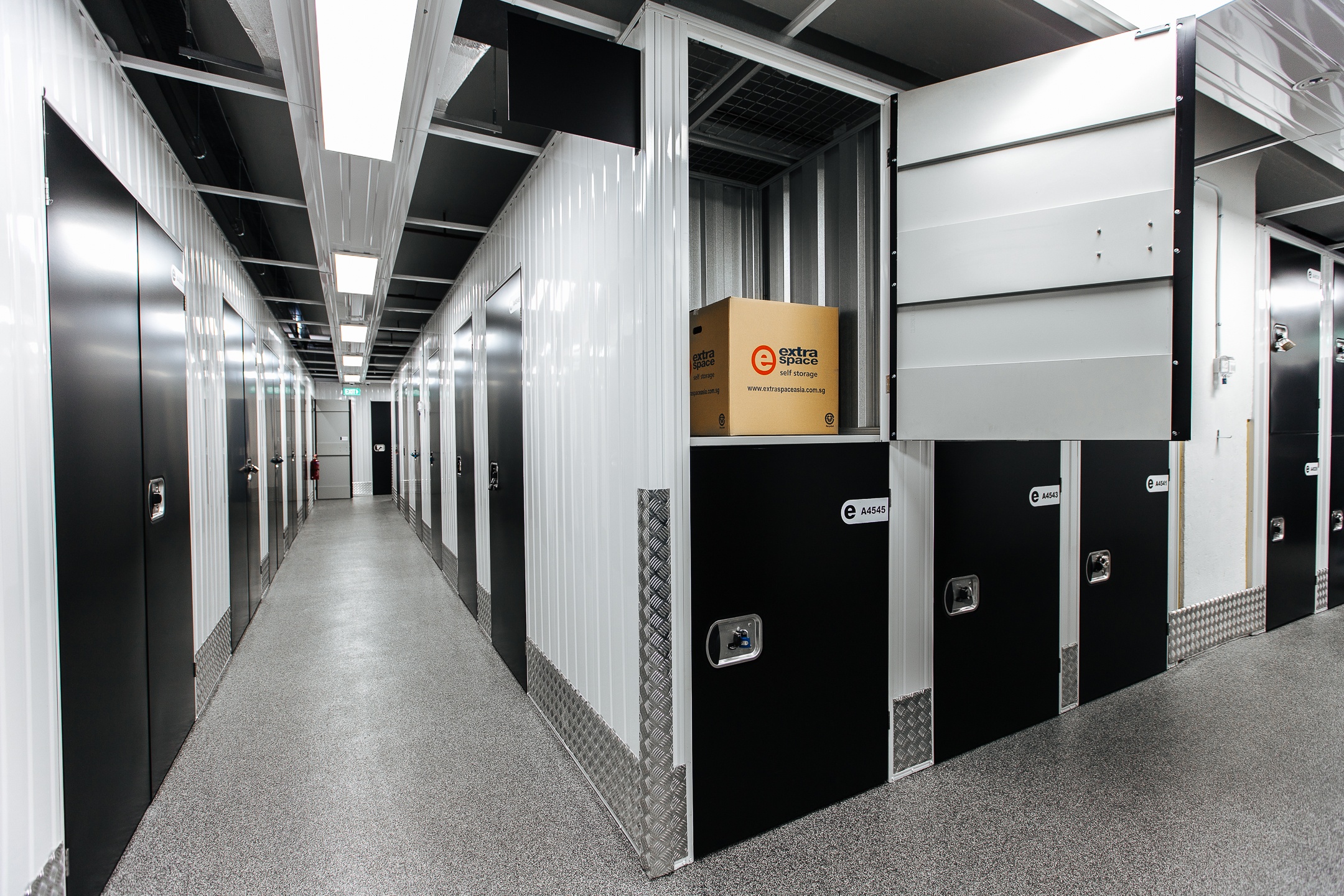
Security should be one of your main considerations when choosing art storage options in Singapore. Look for features such as CCTV monitoring, controlled access, secure entry points, and proper facility management.
If your artwork has financial or sentimental value, you should not treat security as optional.
Think About Access Convenience
You may need to retrieve artwork for display, sale, framing, photography, delivery, or rotation. That means location and access matter.
Extra Space has multiple storage facilities across Singapore, so you can choose a location that fits your home, office, or business workflow. This makes it easier to store your artwork without making every visit inconvenient.
Ask About Packing Supplies and Moving Support
If you are unsure how to pack your artwork, ask whether the storage provider offers packing materials or guidance. Even basic advice can help you avoid common mistakes, especially when storing framed pieces, fragile works, or larger items.
What to Look for in a Fine Art Storage Facility
When comparing fine art storage services, use this checklist to assess whether a facility is suitable for your artwork.
|
What To Check |
Why It Matters |
|
Air-conditioned storage options |
Helps keep artwork away from hot and stuffy indoor spaces |
|
Clean premises |
Reduces exposure to dust, dirt, and pests |
|
CCTV monitoring |
Adds an extra layer of security |
|
Controlled access |
Helps prevent unauthorised entry |
|
Suitable unit sizes |
Allows artwork to be stored upright and organised |
|
Convenient location |
Makes retrieval easier when you need access |
|
Packing supplies |
Helps you protect frames, corners, and surfaces |
|
Helpful staff |
Useful when choosing unit size or planning storage layout |
|
Flexible rental terms |
Supports short-term or long-term storage needs |
When we help customers think through storage, we usually recommend balancing protection, access, and practicality. The best facility is not just the cheapest one. It is the one that helps you store artwork safely without making retrieval difficult.
How Air-Conditioned Storage Protects Your Artwork
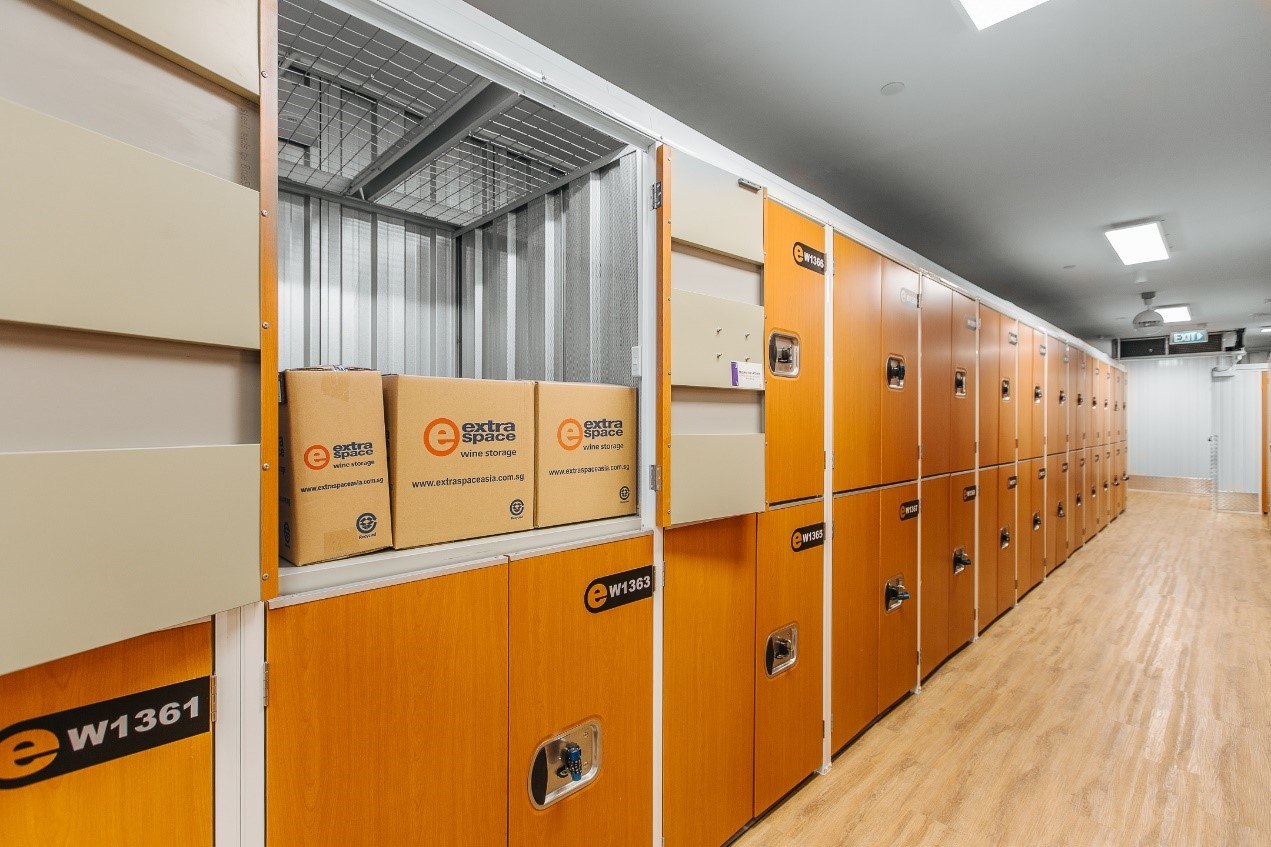
Air-conditioned storage can be helpful for fine art because it keeps artwork away from hot, stuffy indoor spaces. In Singapore, this matters because many homes and offices have limited spare space, and artwork often ends up in corners, cupboards, storerooms, or renovation areas.
For many collectors and homeowners, air-conditioned storage is a practical middle ground. It gives your artwork a dedicated space while reducing exposure to heat, clutter, and daily household movement.
Air-conditioned storage can help by:
- Keeping artwork away from hot, enclosed rooms
- Making storage more comfortable for framed works and collectables
- Reducing exposure to stuffy home or office spaces
- Supporting better organisation and retrieval
- Providing a cleaner, more suitable setting than a crowded storeroom
However, air-conditioned storage is only one part of proper artwork care. You still need to pack each piece correctly, protect the frame and corners, avoid direct surface contact, and store the artwork so it is not under pressure or impact.
At Extra Space, we offer storage options suitable for fine art, framed pieces, collectables, and other valuable belongings, depending on your storage needs. If you are unsure which unit size or storage type to choose, you can contact us before moving your artwork in.
Frequently Asked Questions About Fine Art Storage
What conditions are suitable for storing fine art?
Fine art should be stored in a clean, secure, and stable indoor space away from direct sunlight, heat, dust, pests, and frequent movement.
For fine art storage, we recommend choosing a facility that offers air-conditioned units, proper access controls, and sufficient space to keep artwork packed and safely positioned.
Can I store paintings in a regular self-storage unit?
You can store paintings in a self-storage unit if the artwork is packed properly and the facility is clean, secure, and suitable for delicate belongings. For art storage Singapore, air-conditioned storage is generally a better choice than leaving paintings in hot, stuffy, or exposed home and office spaces.
What are fine art storage services?
Fine art storage services help protect artwork when it is not on display. In Singapore, these may include specialist art storage providers and air-conditioned self-storage units for collectors, homeowners, galleries, designers, and businesses that need secure, accessible space.
How should I pack artwork for storage?
To pack artwork for storage, use acid-free tissue paper or suitable art-safe wrapping for the first layer, protect the frame corners, and keep framed pieces upright where possible. Avoid placing plastic or bubble wrap directly against painted surfaces, and do not stack heavy items on top of your artwork.