
How to Plan a Hybrid Work Schedule Around a Shared Office
Blog
October 2, 2026
AI summary
Plan a hybrid work schedule by aligning in-office days with collaboration needs, then sizing desks and meeting rooms around peak attendance. For teams using a shared workspace in Singapore, a practical schedule combines clear attendance guidelines, booking systems and regular reviews to balance on-site collaboration with remote flexibility.
Key takeaways
- Choose in-office days around work that gains from co-presence, such as workshops, onboarding and client meetings.
- Plan desk capacity around peak-day occupancy, since the busiest day sets the physical requirement.
- Build your scheduling process around Singapore’s Tripartite Guidelines on Flexible Work Arrangement Requests when formal requests arise.
- Use one booking system for desks and rooms so expected attendance stays visible.
- Review the pattern after one quarter and adjust the first constraint that repeatedly causes friction.
Start with Singapore’s framework for flexible work requests
The Tripartite Guidelines on Flexible Work Arrangement Requests took effect on 1 December 2024. They replaced the 2014 Tripartite Advisory on Flexible Work Arrangements and the 2017 Tripartite Standard on Flexible Work Arrangements.
The Ministry of Manpower (MOM) says the Guidelines apply to formal flexible work arrangement (FWA) requests and set a process for employees and employers to follow. The Tripartite Alliance for Fair and Progressive Employment Practices (TAFEP) and MOM publish the official framework and supporting guidance.
The Guidelines shape the process while employers retain the decision. All employers are expected to follow the Guidelines and properly consider formal requests.
MOM states that employers should provide a written decision within two months. A rejection should include the reason.
TAFEP also tells employers to assess requests case by case and from a business point of view. Its employer guide to managing FWA requests repeats the two-month written response requirement and the expectation that rejected requests carry a reason.
For a manager, document the logic behind the team’s attendance pattern. Record which activities need people together and what capacity each day requires. That creates a consistent basis for discussing individual requests on their own facts.
This guide focuses on operational planning. Use MOM’s Tripartite Guidelines page and TAFEP’s employer guidance for the current wording and employer guidance. With the process clear, you can choose attendance days from the work itself.
Choose in-office days by what needs to happen together
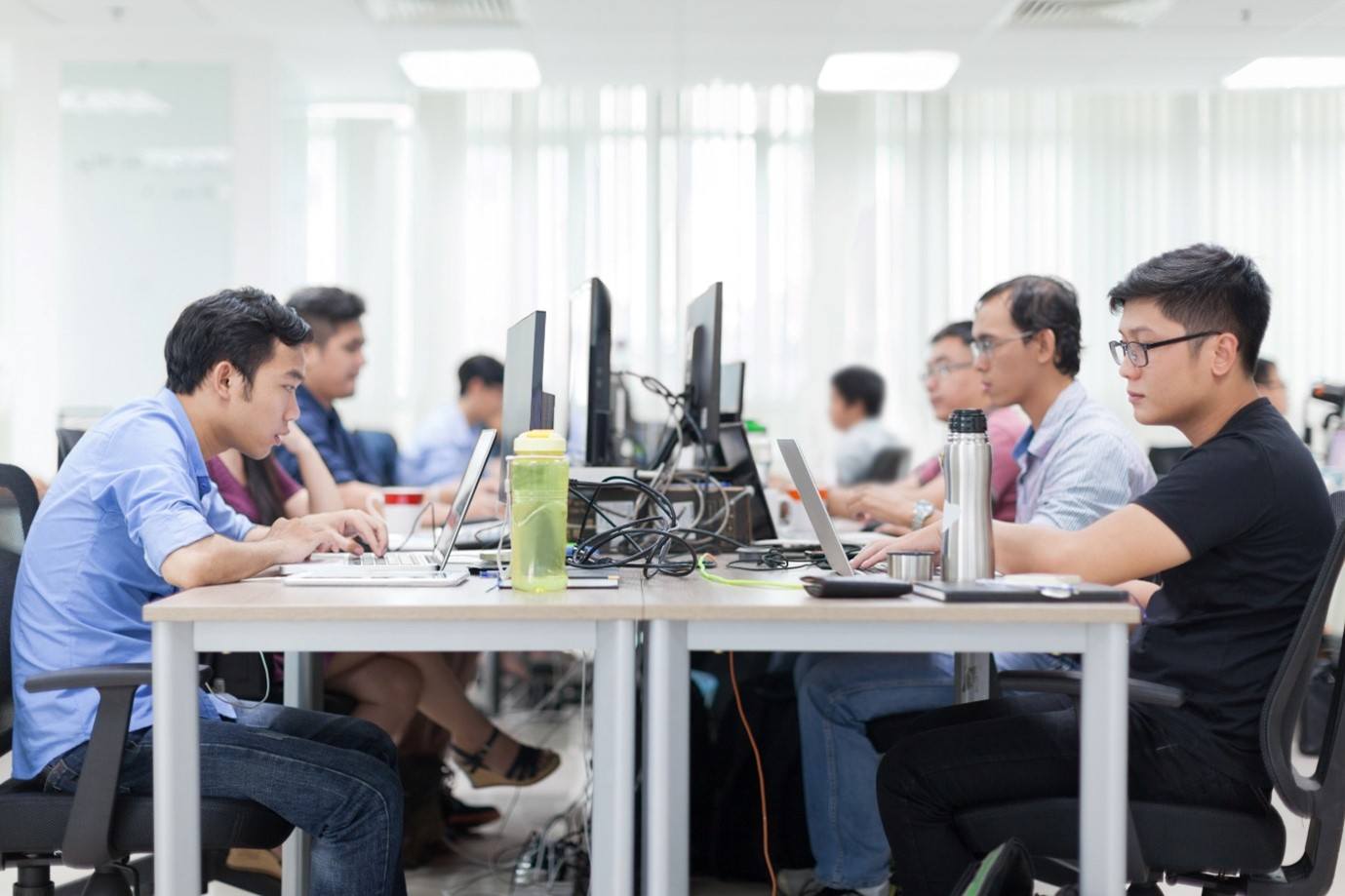
Start with the work calendar. Mark the work that becomes easier when people share the same room, such as collaborative planning, onboarding, workshops, client meetings and sessions that rely on a whiteboard or physical material. Those activities create the strongest candidates for in-office days.
Then look for concentration. A shared planning session every second Tuesday may justify a fortnightly anchor day.
Team-based days can spread demand when each function mainly works within its own group. Individual patterns create the highest coordination burden because attendance becomes harder to predict.
A company-wide anchor day offers the simplest calendar. It also produces the sharpest desk peak because everyone arrives together.
Team days soften that peak, but cross-team meetings need more deliberate planning. Individual patterns can reduce crowding further, while the booking system carries more of the coordination work.
Monday and Friday often make fragile anchor days. Long-weekend leave plans can reduce attendance, and Singapore’s public holiday rules can also shift a Sunday public holiday to the following working day. MOM’s public holiday rules explain how public holidays falling on rest days and non-working days are handled.
Test two or four candidate weeks against real commitments before setting a rule. Include client sessions, onboarding, project meetings and likely leave periods. The strongest day repeatedly supports useful co-presence, which leads directly to the desk count it creates.
Calculate desk capacity from the peak
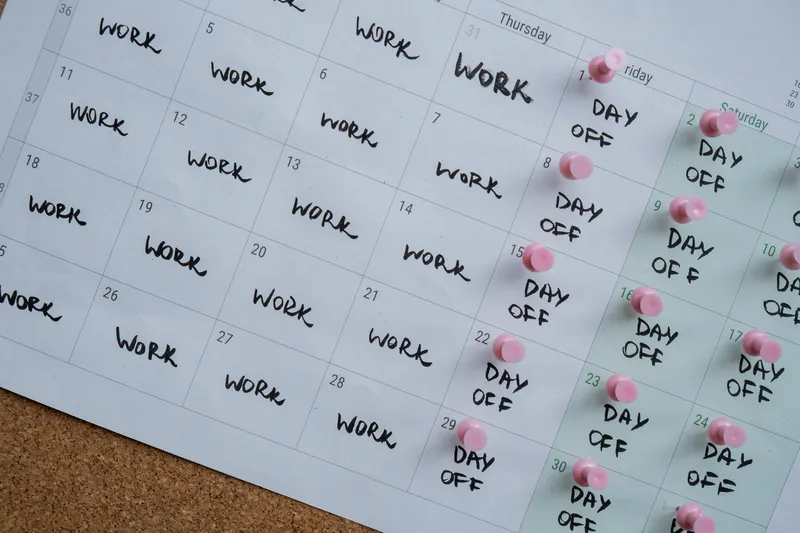
Peak-day occupancy is the number that determines whether your plan works. A twelve-person team with all twelve in on Tuesday and two in on Thursday has an average that looks modest, but Tuesday still needs twelve workable seats. The peak controls the physical requirement even when it appears only once each week.
Write a two-week table with one row per person and one column per working day. Mark expected attendance and total each column.
Add regular visitors on the days they attend. The highest total becomes your starting desk requirement.
A full-team anchor day makes this calculation easy and expensive in capacity terms. Twelve people mean twelve desks on the anchor day. If the other days sit at two to five people, a fixed twelve-desk footprint carries a large amount of unused capacity for most of the fortnight.
Two approaches handle that shape. One sizes the regular workspace for the peak and carries the quieter days.
The other sizes have a recurring capacity closer to the usual level and adds bookable capacity for peaks. Your peak’s predictability should guide the choice.
Desk type changes the maths. Hot desking lets one seat serve different people across different days, so capacity follows occupancy. Fixed desks reserve seats for named people and push the physical requirement closer to headcount.
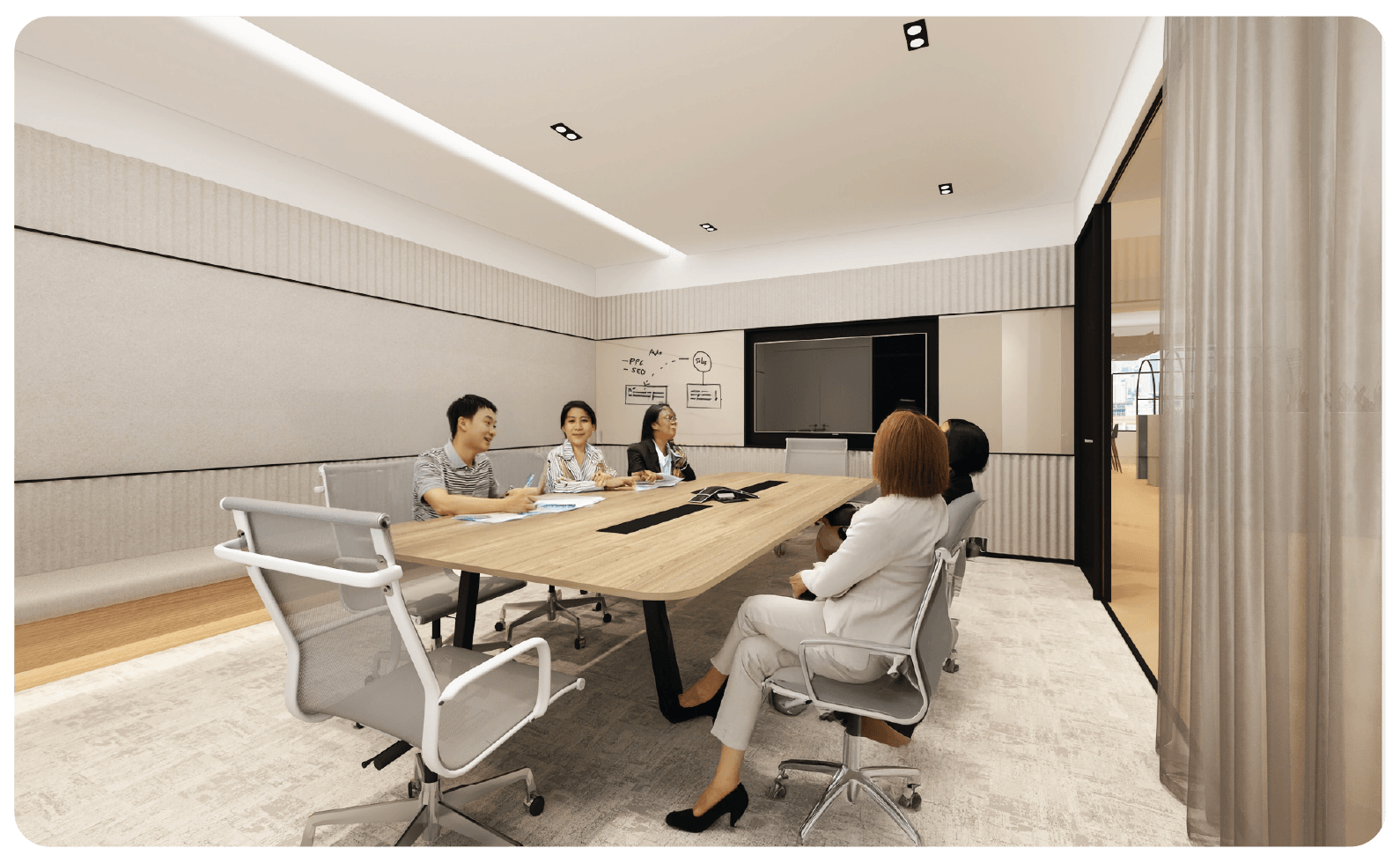
Meeting rooms sit beside the desk calculation. Ten people in a workshop may use one room during that period, then need desks before or after it. Treat room seats and desk seats as separate capacity lines.
Use a small buffer when attendance data supports it. An eight-desk peak may justify nine bookable desks if visits and attendance changes happen often. A vague buffer can rebuild unused capacity.
If your mapped peak is far above your normal day, Extra Space Asia can help you compare that pattern against its shared workspace in Singapore before you commit to a permanent desk count. Once desks are sized around the real peak, the next question is whether the in-office day contains enough shared work to justify bringing everyone together.
Schedule collaborative work into the days people attend

An in-office day earns its place through the work scheduled into it. If twelve people travel in and spend the day on separate video calls, the attendance rule has created a peak without creating much shared time. Build the day’s agenda before you make an attendance routine.
Block sessions that need co-presence first. A planning workshop might run from 10am to noon, followed by smaller project sessions after lunch. Leave unscheduled time for follow-ups.
Remote days can carry work that benefits from longer periods of individual focus. That division gives each mode a clear purpose and makes the week easier to plan.
Room demand needs its own schedule. If every team wants a room at 10am on the anchor day, desk availability gives a false picture. Track room bookings by hour and move lower-priority sessions when collisions repeat.
A useful anchor day therefore has two tests. Enough people should be present for the planned collaboration, and enough rooms should be available at the times that collaboration happens. Once both are visible, you can connect the people in the office with colleagues working elsewhere.
Keep remote and on-site work connected
Use one shared calendar to show where people expect to work. A status such as ‘office’, ‘remote’, ‘client site’ or ‘leave’ gives enough information to plan meetings and desk demand. Update it by a fixed weekly cut-off.
Pair that calendar with one booking system for desks and rooms. Ask people to release bookings when plans change. That keeps the occupancy picture useful and reduces situations where a desk looks unavailable while sitting empty.
Set response expectations across both modes. Agree which channel carries urgent questions, what can wait for an asynchronous reply and what should move to a call. This creates a predictable working rhythm.
Hybrid meetings need a clear participation rule. Give remote attendees equal access to the agenda and shared documents, and direct questions to them deliberately so remote attendees stay active in the discussion. Assign one person to watch the online chat during larger meetings.
These habits make the schedule readable. Beyond people capacity, businesses should also consider what physical resources need to remain accessible on-site.
Plan for the things that stay behind
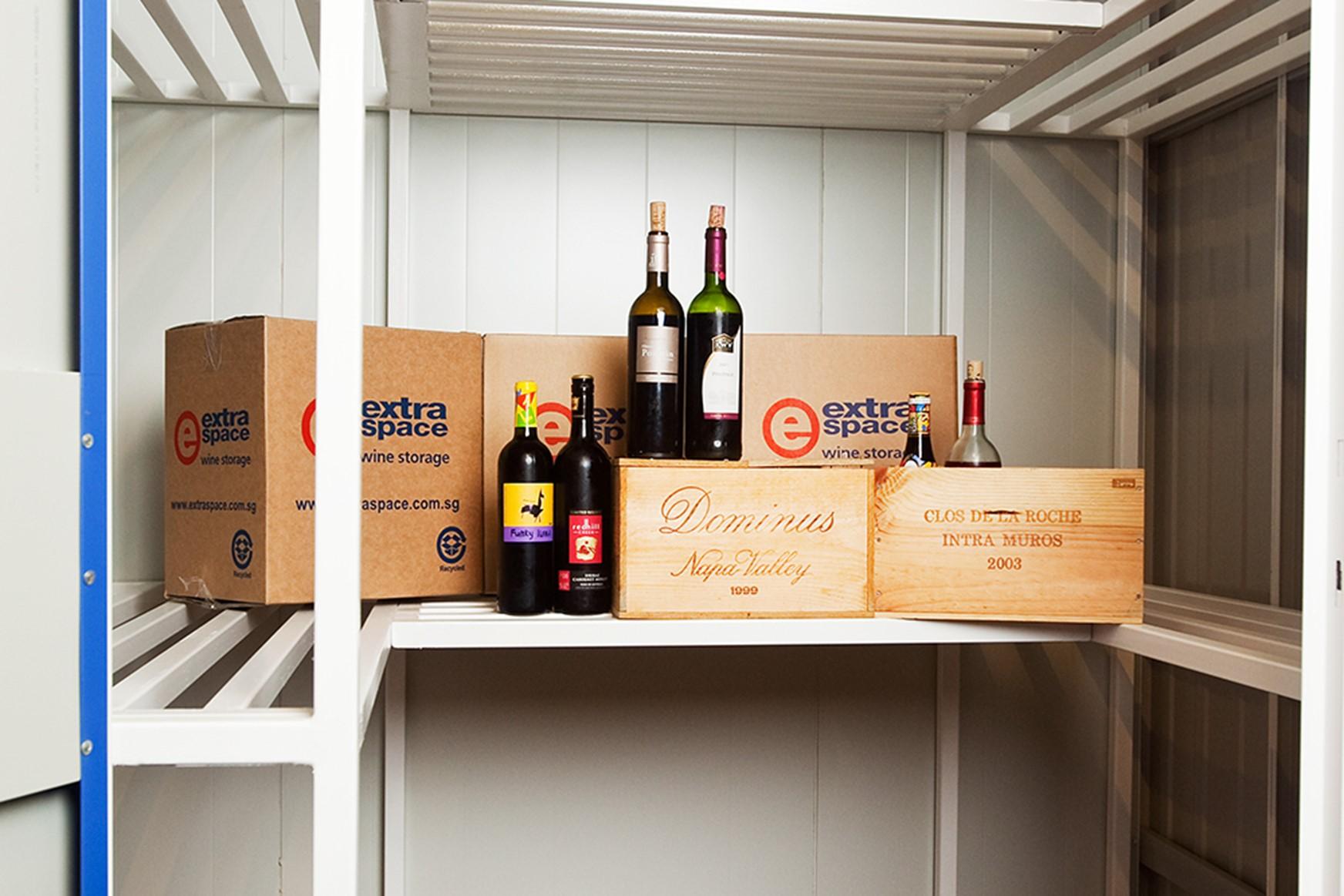
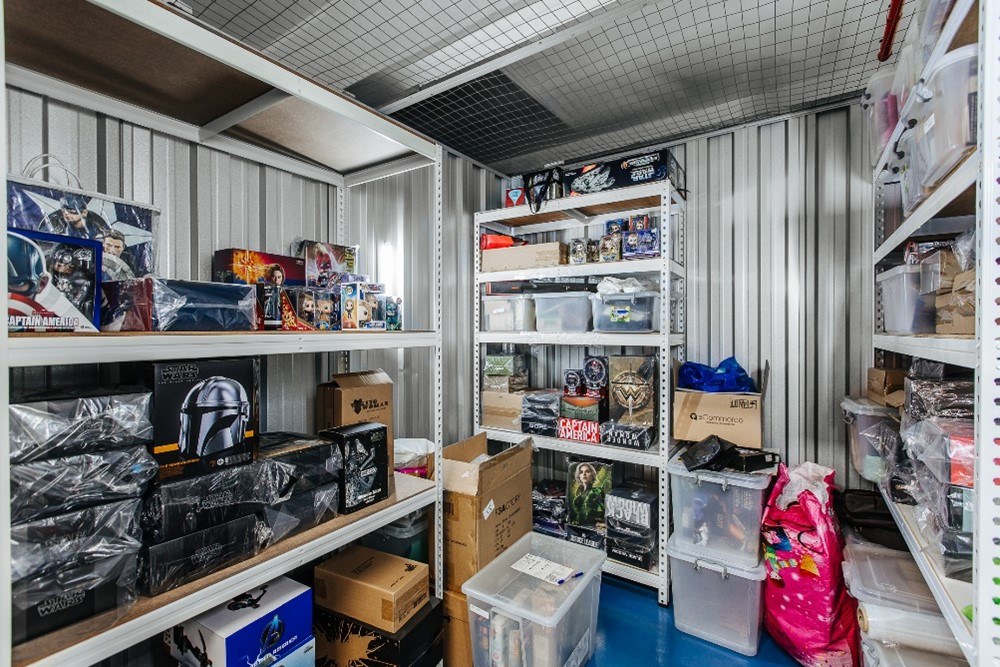
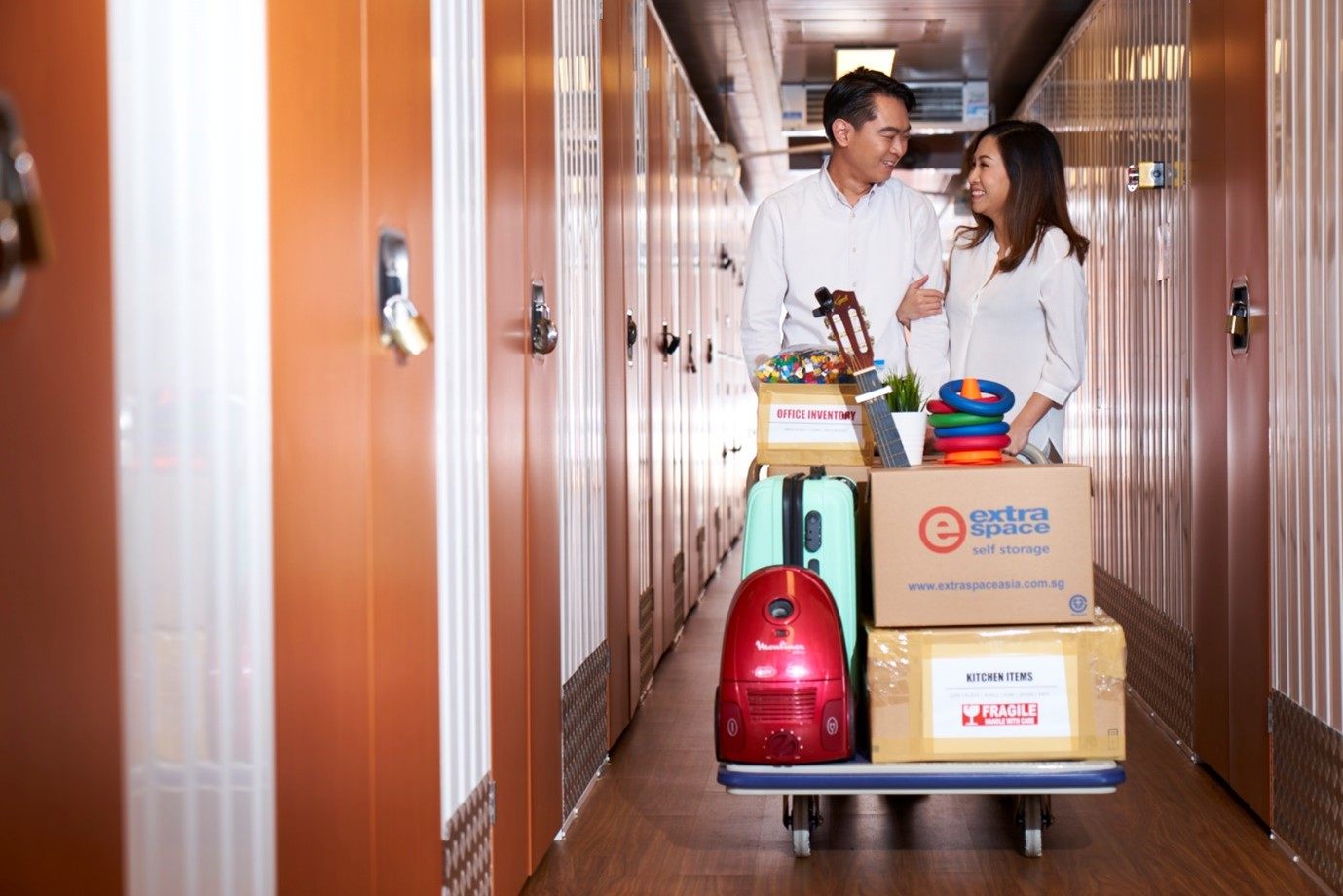
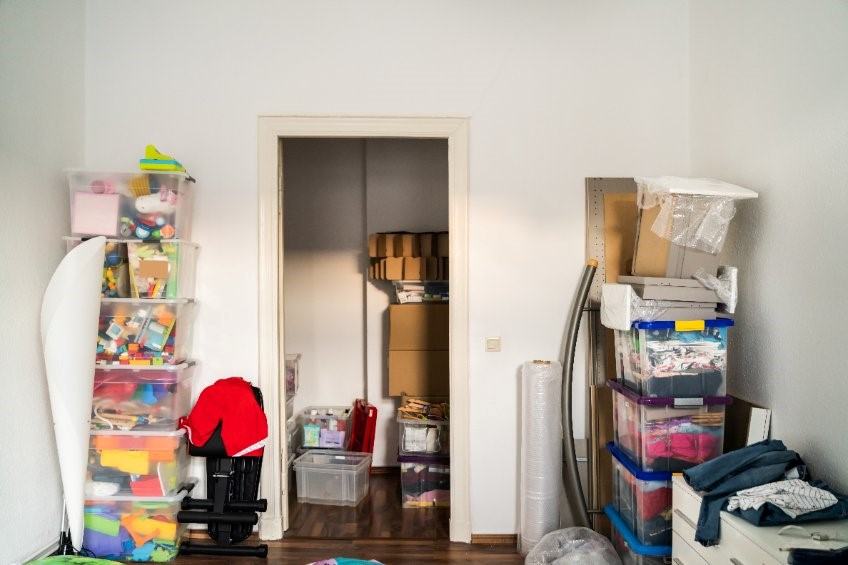
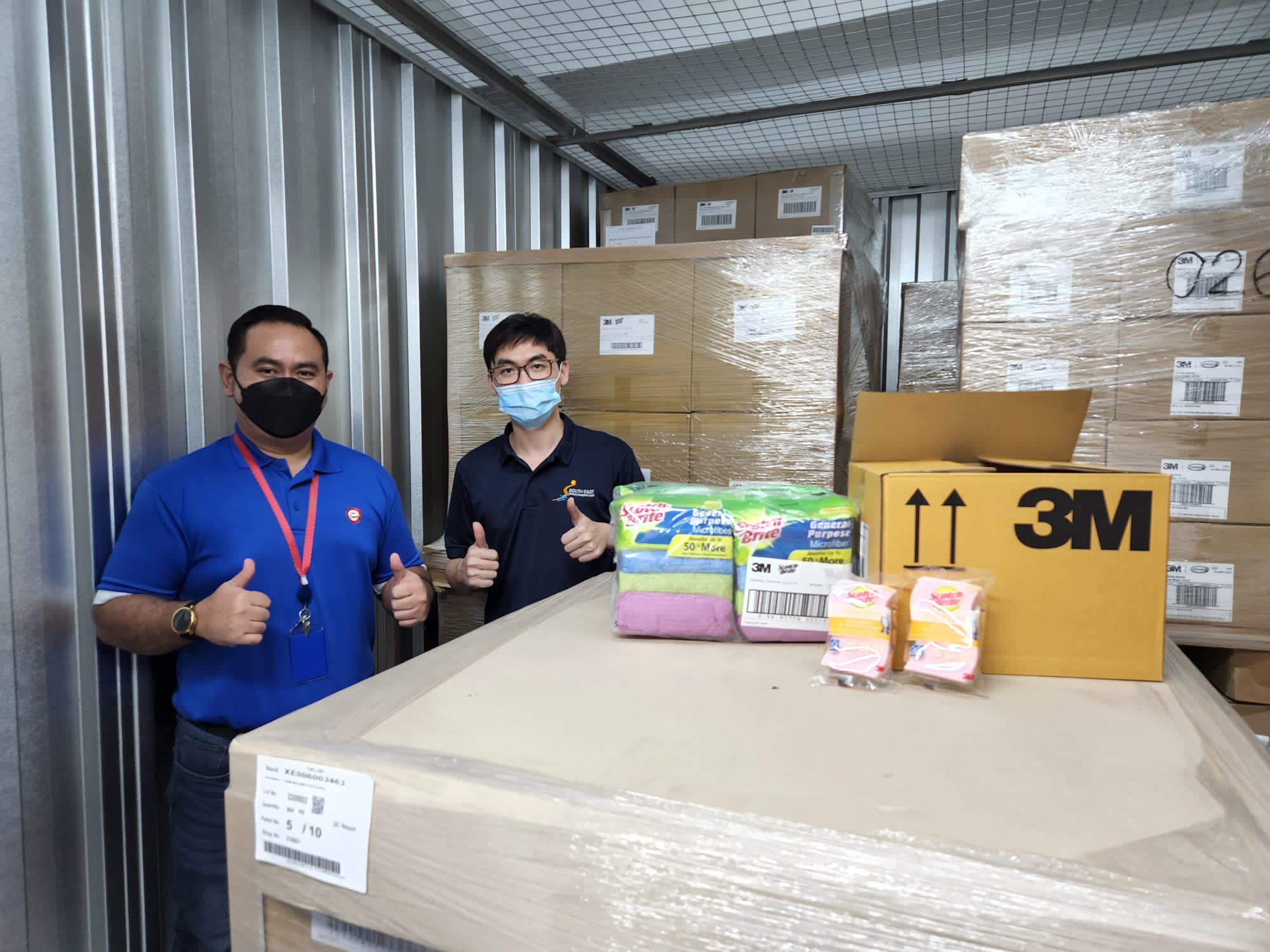
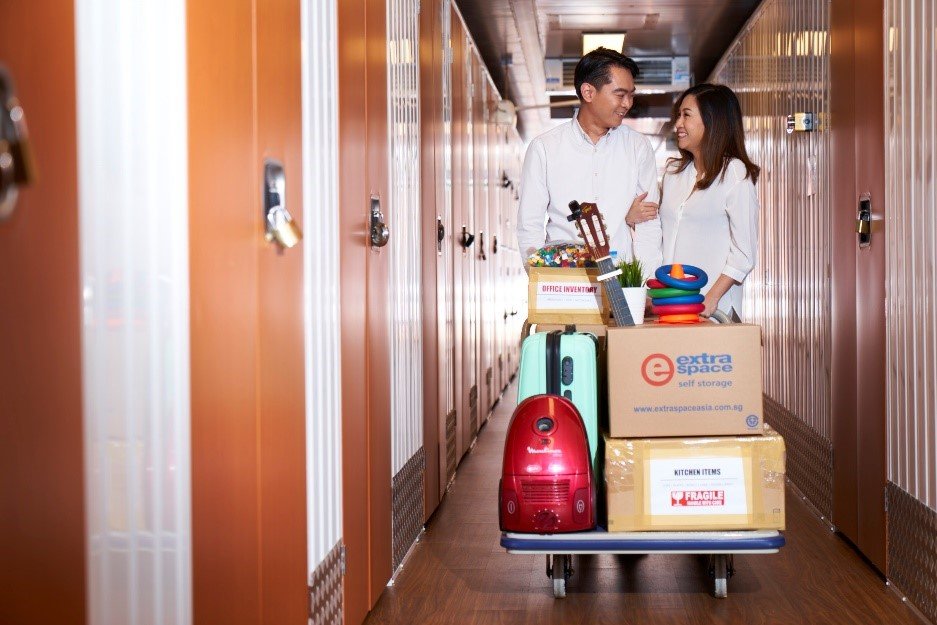
Hybrid teams can reduce desk use while physical business materials remain steady. Samples, stock, equipment, archived records and event materials may still need a consistent place between office days. A desk plan that ignores those items can underestimate the space the business uses.
Separate people capacity from material capacity. Count desks in one line, then list items that need regular access in another. Record who uses them and when.
This matters most when nobody has a permanent desk. Shared stock and operational materials need an agreed location, or spare desks and meeting areas can absorb items missing from the capacity calculation.
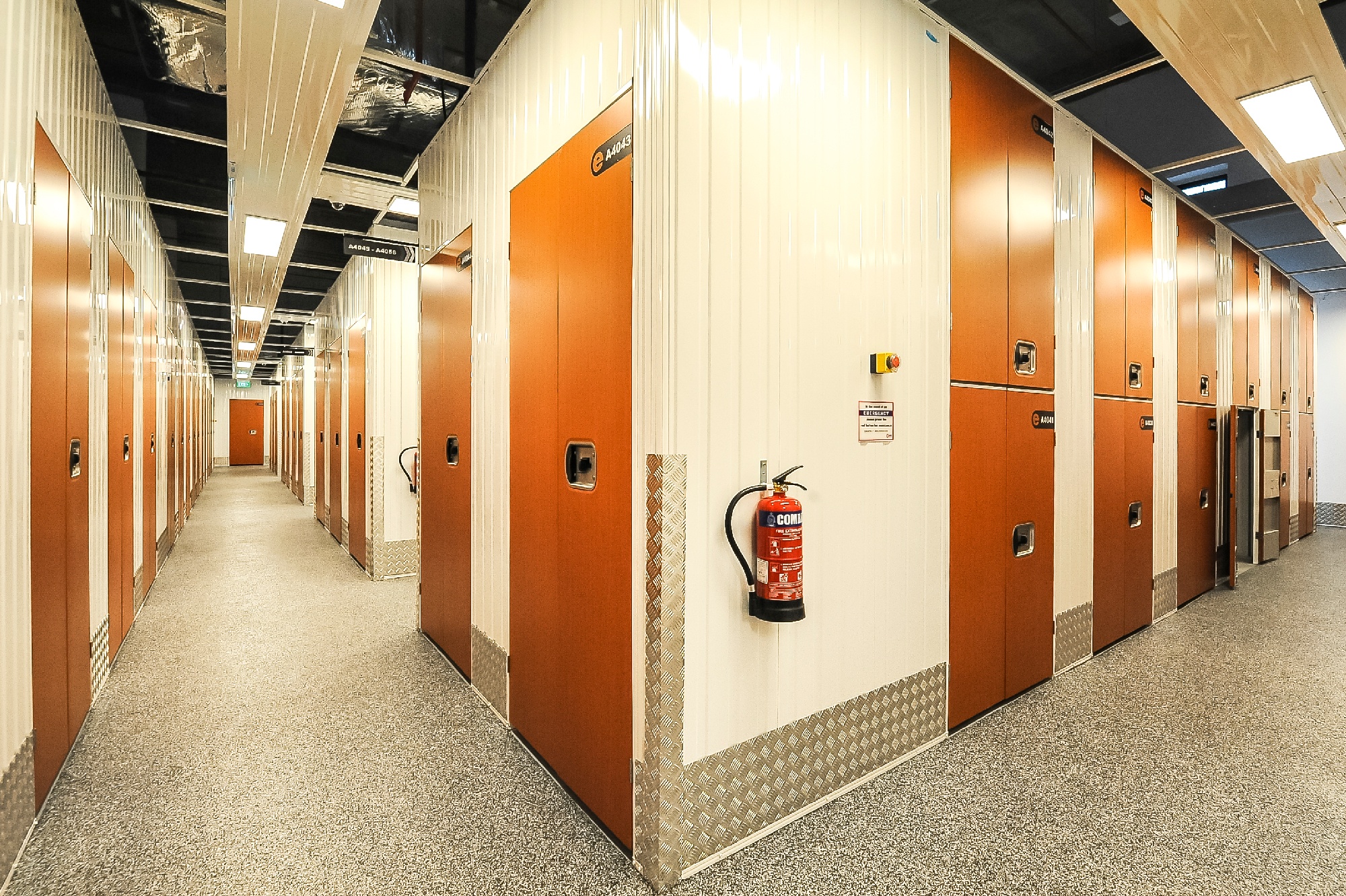
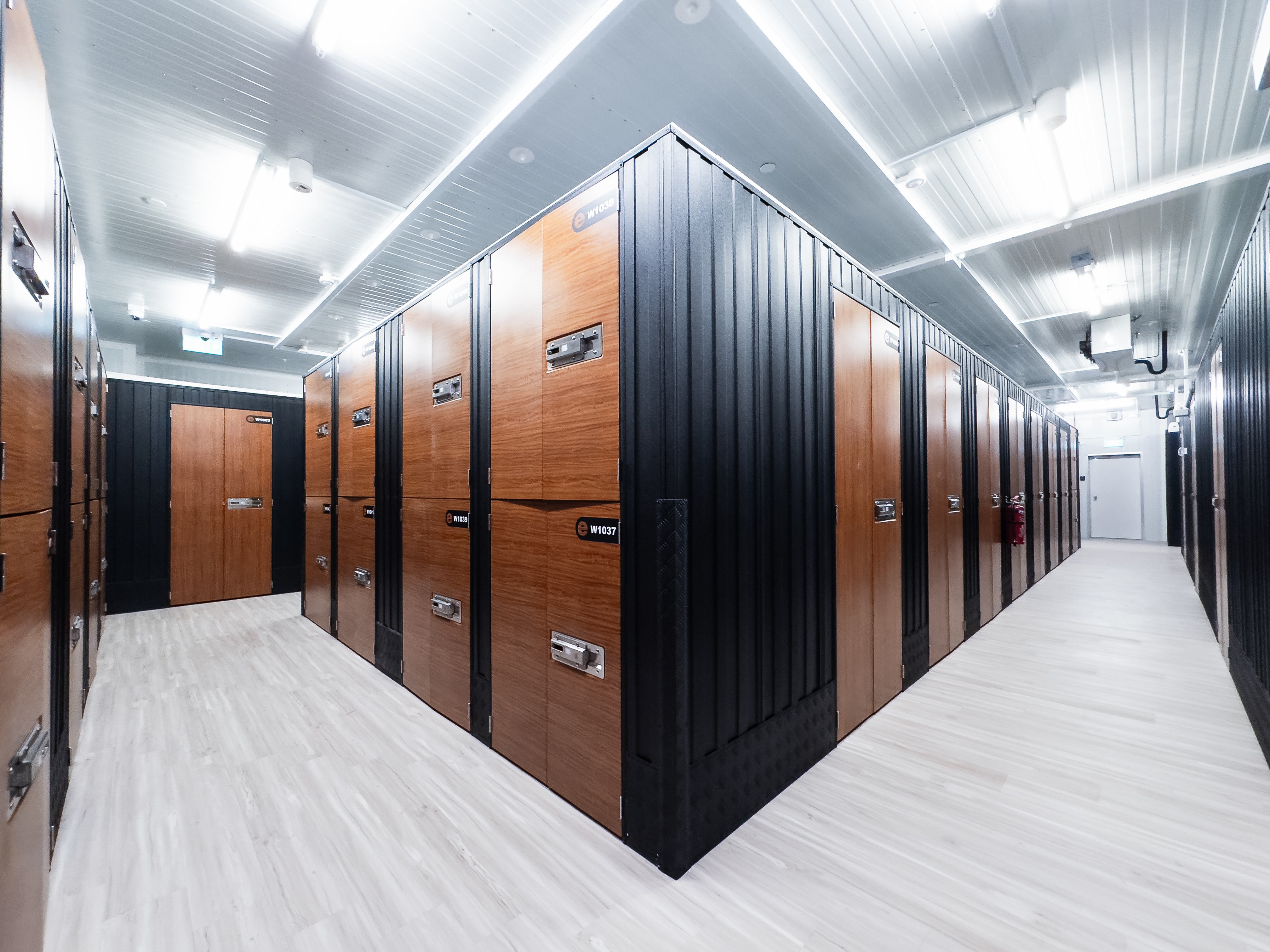
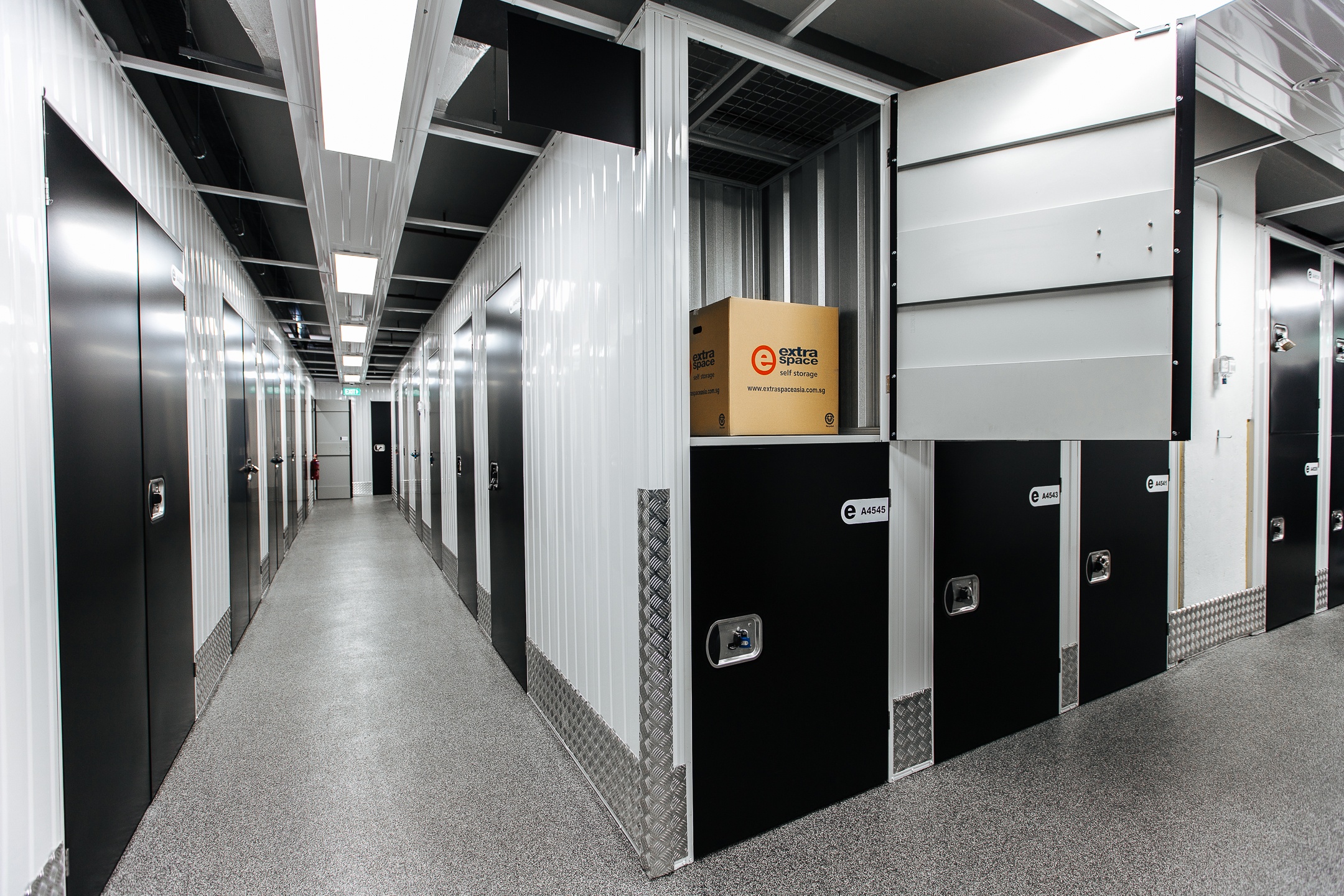
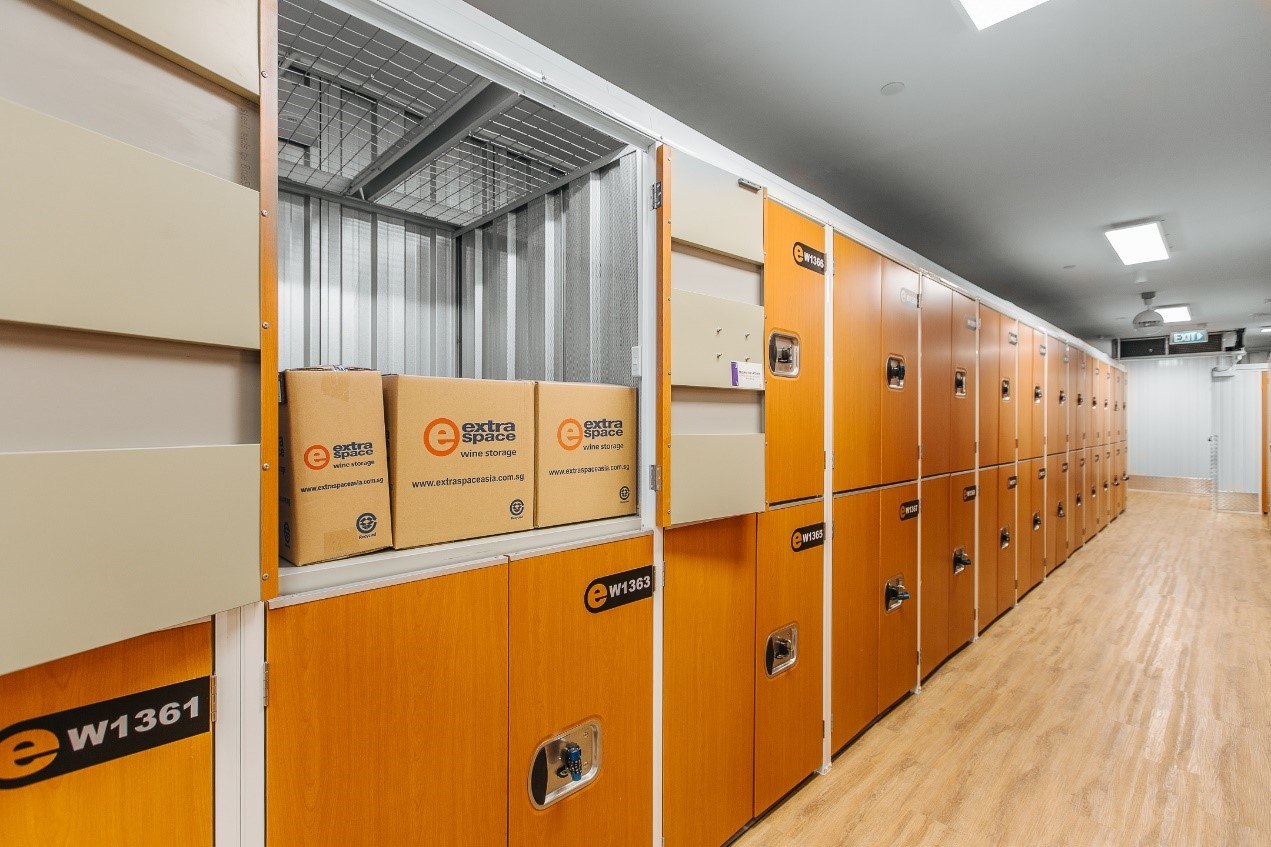
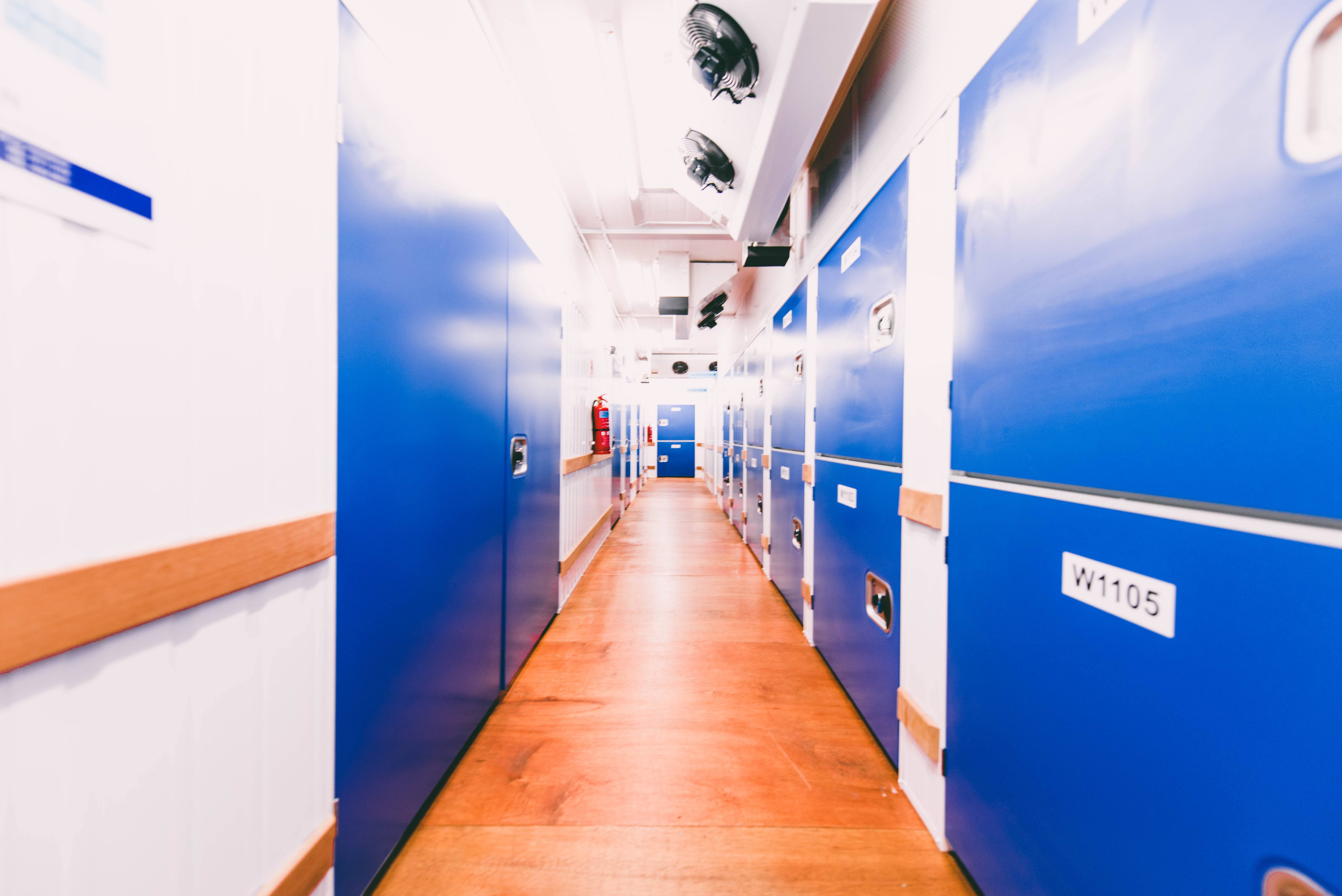
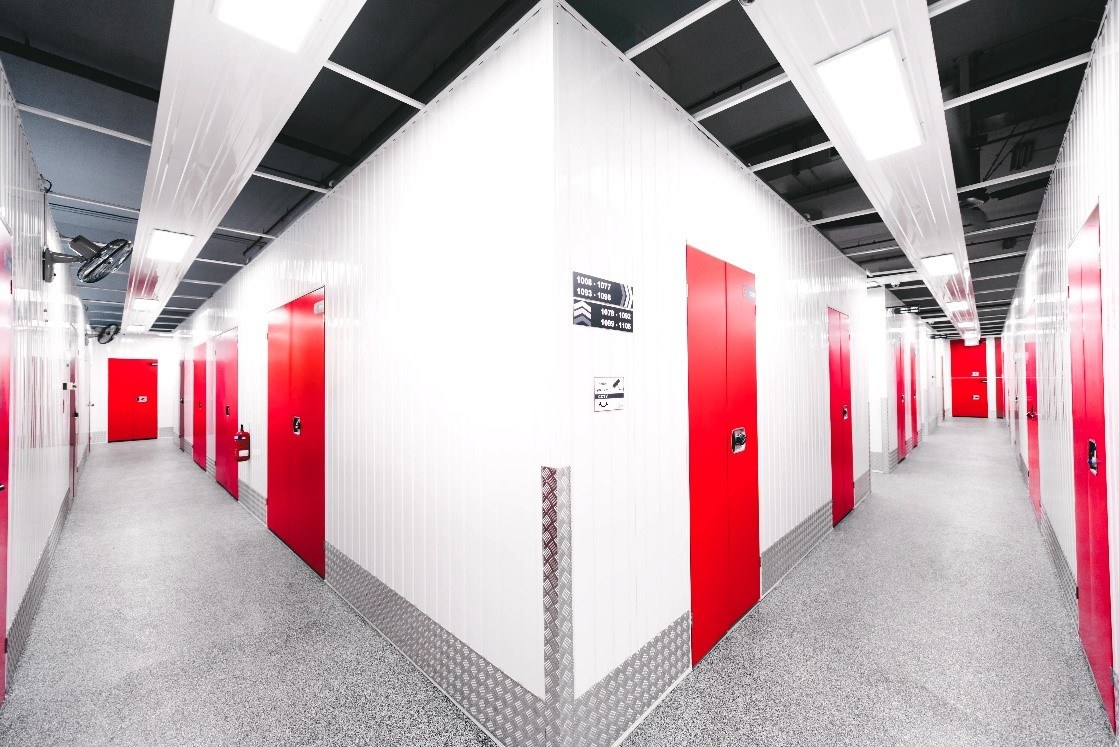
That pressure can push a hybrid team towards a larger fixed office even while daily desk use remains low. Keeping the two calculations separate makes the trade-off visible. You can then decide whether the physical materials belong near the working area, at another operating location or in a dedicated storage arrangement.
Businesses can also speak with Extra Space Asia to compare desk usage, storage needs and workspace options through BIZplus+ workspace and storage setup. The next review should test both numbers because attendance can change faster than the amount of stock, records or equipment the business holds.
Review the first schedule after one quarter
Treat the first schedule as a working hypothesis. Three months usually gives you enough repeated weeks to spot patterns without letting a weak arrangement become a habit. Use the data you already collect through desk and room bookings.
Compare expected attendance with actual attendance. Look for empty booked desks, repeated seat shortages and meetings that move because the right people are elsewhere. Those signals show where the model differs from the real week.
Check whether the intended collaborative work happened. An anchor day with high attendance can still perform poorly if the day is dominated by individual calls. A quieter team day can be more useful if it consistently hosts the planning, onboarding or client work that justified office attendance.
Change the first constraint that causes repeated friction. If rooms collide, move meeting times before changing desk capacity.
If one team creates the peak, try a different team day. If forecasts are unreliable, tighten the booking cut-off and cancellation rule.
Review the schedule again after another quarter or after a material change in headcount, client activity or team structure. A regular review keeps the office pattern tied to actual work, which prepares you to make the space decision from evidence.
Companies exploring a shared office space Singapore option should understand peak attendance patterns first to help avoid paying for unused capacity.
Let the work pattern set the space requirement
A hybrid schedule works best when you design the fortnight before you size the office. Start with the moments that require co-presence, place those activities on deliberate in-office days and total the people expected on each day. The highest total gives you the desk peak, while room demand and physical materials sit as separate capacity questions.
That sequence keeps the decision grounded in use. It also makes later adjustments easier because you can see whether a problem comes from attendance, meeting timing, booking behaviour or the amount of material that stays on site.
Your next action is specific. Map a typical fortnight, mark each person’s expected location and count the desks needed on the busiest day. Once you have that number, Extra Space Asia can help you compare the pattern with BIZplus+ workspace at Commonwealth and assess how the capacity fits your working week.
Frequently asked questions
How should I choose in-office days for a hybrid team?
Choose days around work that gains from having people together, such as onboarding, workshops, planning and client meetings. Test the proposed days against two or four real weeks so recurring leave, cross-team dependencies and room demand appear before the pattern becomes routine.
How many desks does a hybrid team need?
Start with peak-day occupancy. Count the people expected on each working day across a typical fortnight, then use the highest realistic total as the baseline while keeping meeting-room seats as a separate capacity figure.
What must employers do under Singapore’s Tripartite Guidelines on Flexible Work Arrangement Requests?
Employers must properly consider formal FWA requests under the required process and communicate a written decision within two months. MOM and TAFEP provide the current official guidance, including expectations around reasons for rejected requests.
Are anchor days or team days better?
Anchor days simplify coordination and create a clear shared day, but they also create the largest desk peak. Team days spread attendance across the week, although cross-team work then needs more deliberate scheduling.
How often should a hybrid schedule be reviewed?
Review the first pattern after one quarter using attendance, desk bookings, room usage and evidence that planned collaborative work actually happened. Review again after another quarter or after a material change in headcount, client work or team structure.
Author bio
Established in 2007, Extra Space Asia has over 18 years of experience providing secure and flexible self-storage solutions across Asia. As a trusted regional storage provider, the company has earned industry accolades, including being recognised as Singapore’s Favourite Self-Storage Brand from 2018 to 2026. Extra Space Asia continues to help individuals and businesses create more space with reliable, professionally managed storage solutions.