What to Do With Your Art Collection During a Home Renovation
Blog
October 2, 2026
AI summary
Renovation can expose artwork to dust, vibration, accidental impact and unsafe handling. Before work begins, assess which pieces face the highest risk, remove vulnerable works where necessary, document their condition and set clear boundaries with contractors. Return artwork only after renovation and final cleaning are complete to reduce unnecessary handling and exposure.
Key takeaways
- Remove paintings, prints, sculpture and other vulnerable pieces before renovation work begins, especially from rooms where drilling, hacking, sanding, painting or ceiling work will take place.
- Treat airborne dust as a project-long risk because particles can travel beyond the immediate work area and settle into textured surfaces, frames and mounts even when artwork is covered with plastic sheeting.
- Keep paintings and framed works vertical during handling and temporary placement, and never stack them flat or lean one unprotected artwork face against another.
- Agree with your contractor which rooms will stay closed, where tools and debris will be staged, and which routes must remain free of artwork throughout the renovation.
- Photograph every piece before it moves, including the front, back and any existing marks or damage, so you have a clear condition record to compare against when the artwork returns.
Why protecting artwork in place usually fails
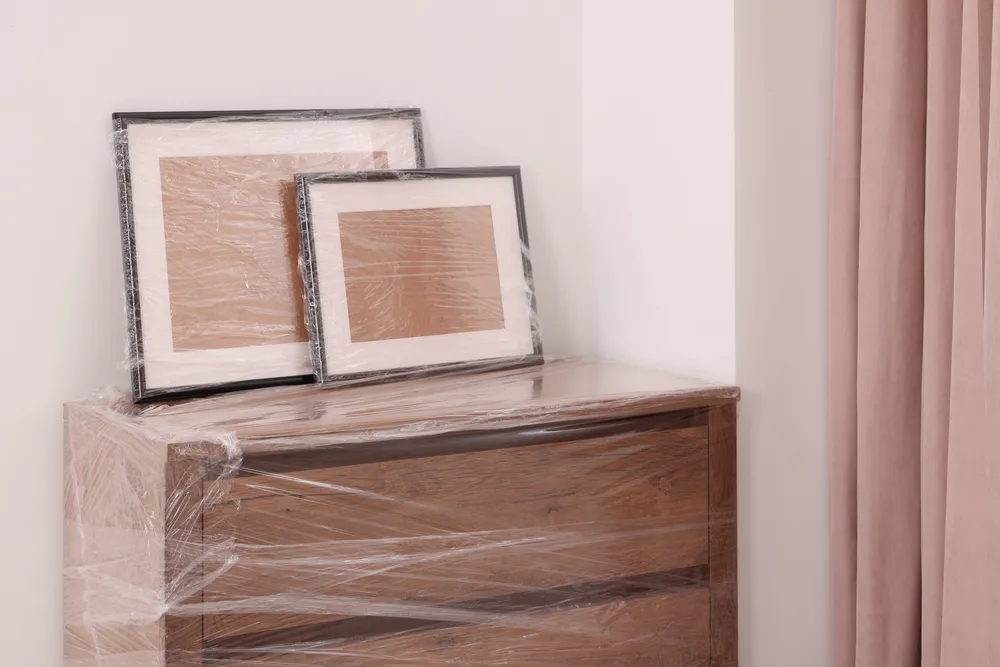
Covering a painting on the wall can look efficient. The piece still sits inside the work zone. Dust circulates through active rooms for the length of the project.
Particles can settle into textured paint, frame profiles and paper mounts. Plastic sheeting can trap particles already present close to the work. Recessed frame details can also hold dust.
Drilling and hacking create vibration through walls. Fixings carry that movement to hanging works. Direct contact is only one route to damage.
A covered piece also becomes harder for contractors to identify. Busy work areas increase the chance of accidental contact. Protective layers leave the artwork beside nearby ladders, tools and movement.
Singapore’s National Heritage Board treats preventive measures as the starting point for artwork care through the Heritage Conservation Centre’s collections guidance. For a renovation, that principle supports removing avoidable exposure before works begin.
The practical conclusion is simple. Choose which pieces leave before planning protection for the rest. Location starts the triage.
Decide what leaves before renovation starts
The next step is to sort the collection by exposure. Start with the works closest to active renovation areas.
Pieces that should always come out
Start with every work on a wall scheduled for drilling, hacking, painting, replastering or new fixtures. Remove every work from rooms scheduled for hacking, sanding, painting or ceiling work. These spaces carry the highest direct exposure to tools, airborne debris and repeated movement.
Treat irreplaceable works as a separate category. An inherited drawing, unique original, commissioned piece or one-off sculpture should leave even from a quieter room. Renovation routes often shift as trades and deliveries move through the flat.
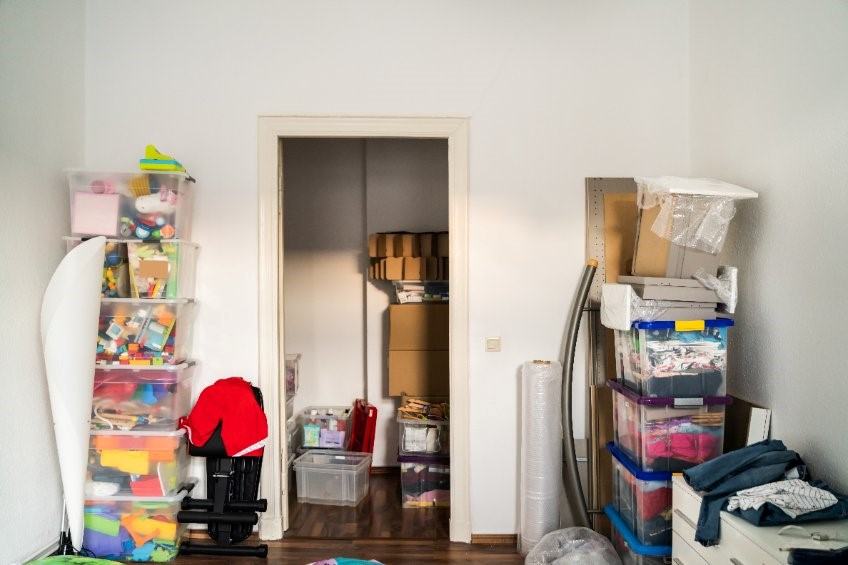
Available floor space also shrinks during work. That loss can push artwork into unsafe corners or temporary stacks. Early removal keeps high-risk pieces away from that pressure.
Move these pieces before contractors set up tools and protective materials. Early removal gives the artwork a clear route out. Pieces inside fully closed rooms need a different test.
Pieces that can sometimes stay
Some works can stay inside a room sealed off for the whole project. The contractor must agree that the room is closed. Keep workers, tools, supplies and temporary staging out of it.
Give the room a clear boundary in the work plan. Keep artwork away from any contractor access route. Keep the door closed through active work.
Reassess the artwork after any change to that arrangement. Borderline pieces need a more deliberate test.
Make the judgement call
Some pieces will sit between the obvious categories. Use four questions for each one:
- Could you replace the piece after serious damage?
- Is the piece recorded under your current insurance arrangements?
- Does the room share a wall with drilling, hacking or other active works?
- How long will that part of the flat stay active?
These questions separate short exposure from weeks beside active works. Insurance status also identifies existing records that may matter before removal.
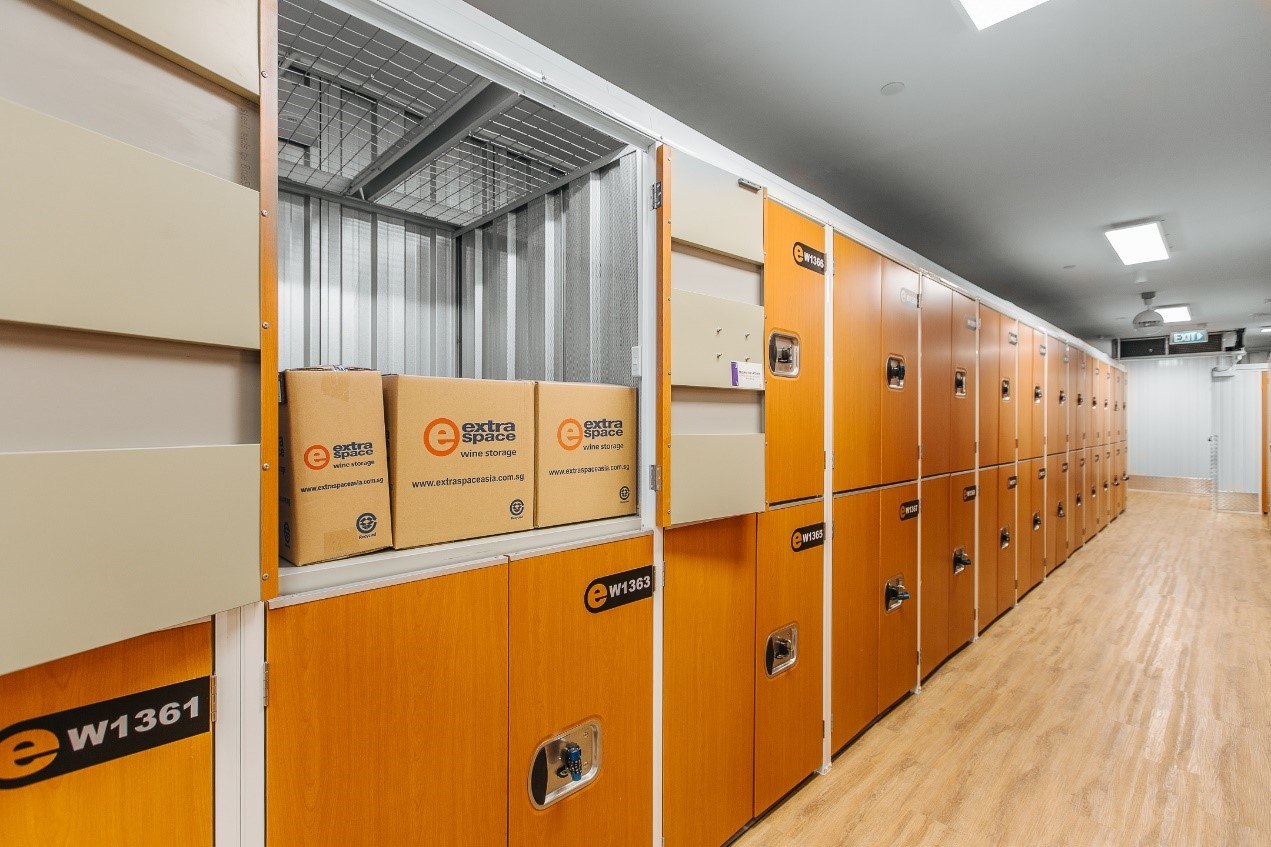
If your triage leaves several works in the ‘remove’ column, ask Extra Space Asia about fine art storage services in Singapore before contractors arrive. One planned removal can reduce repeated moves around a flat with shrinking usable floor space.
Once the list is settled, the next task is handling each piece safely before it leaves the flat.
Handle and prepare artwork for removal

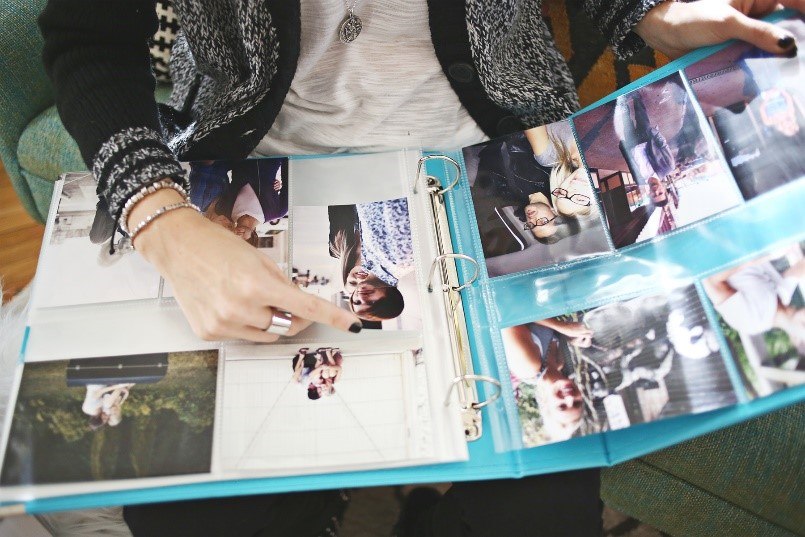
Photograph every piece before anyone carries it out of the room. Take a full front view, a view of the back, and close photographs of existing marks or damage. Keep the images with a simple record of the work and its location.
The Heritage Conservation Centre describes photo documentation as part of accurate collection records in its Collections Management material. Your photographs give you a reference point when the work returns after renovation.
Photograph sculpture from several sides and include the base. Record any chips, scratches or loose elements that already exist. Use the same naming system for the photographs and the piece so the record stays easy to match later.
Handle framed works by the frame edges. Wear clean gloves when handling unglazed works. Keep fingers away from painted, printed or drawn surfaces.
Keep paintings and framed works vertical during handling. Never stack them flat. Never lean one unprotected face against another. Place acid-free material between works where it is available.
Take hanging hardware off separately. Label it so each fixing stays connected to the correct piece and room. Keep the label with your condition record so the return is easier to organise.
Plan the carrying route before each piece leaves its room. Clear tools and loose materials from that route first. This reduces the time that an artwork spends waiting in a corridor or beside an active work area.
Glazed works need extra care during a move. Broken glass can fall against the artwork and cause further damage after an impact. Give these pieces enough separation so another frame cannot press against the glazing.
Once each work has a documented condition and a clear handling plan, agree the same boundaries with the contractor.
Agree access and no-go zones with the contractor
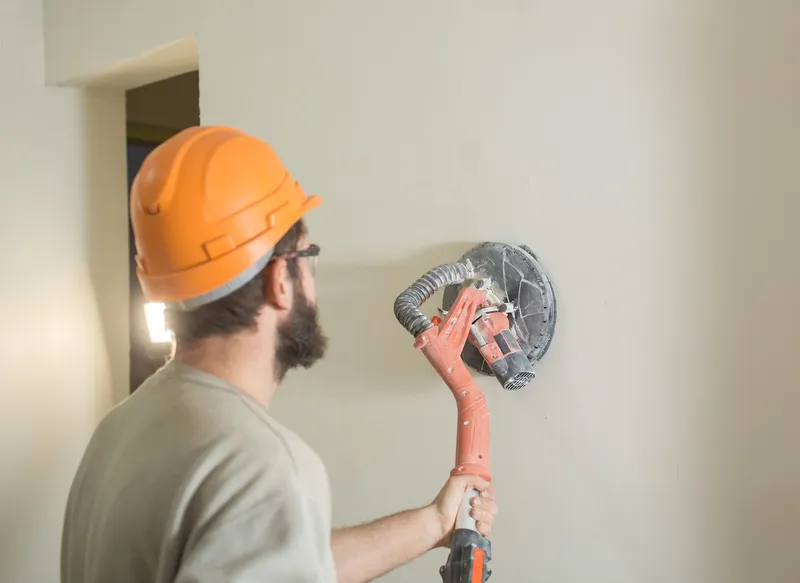
Mark every room that will stay closed to workers. Agree that nobody enters those rooms for tools, materials or shortcut access. Put the same boundary into the project discussion before work begins.
Point out any artwork that remains inside a closed room. Confirm the closed status with the person managing the site. A clear instruction reduces accidental entry when different trades arrive on different days.
Confirm where contractors will stage materials, tools and debris. Keep artwork out of every route between those areas and the work zone. A carrying path can change as supplies and removed material move through the flat.
Ask who carries responsibility for accidental damage to belongings during the works. Read the renovation contract and identify the clause that covers belongings or damage. Keep this as a contract check and seek appropriate professional advice if the wording needs interpretation.
Access risk can extend beyond the front door in a Singapore block. Contractors may share a lift lobby and corridor with residents, deliveries and removed material. Plan artwork collection away from heavy material movement where the project schedule allows.
Keep the collection route separate from debris removal. Large framed works need enough clear space through doorways and shared corridors. A crowded handover point adds handling around surfaces that are already exposed.
If closed rooms and clear routes become difficult to maintain, moving the selected works off-site removes that conflict from the flat.
Move artwork off-site for the project period
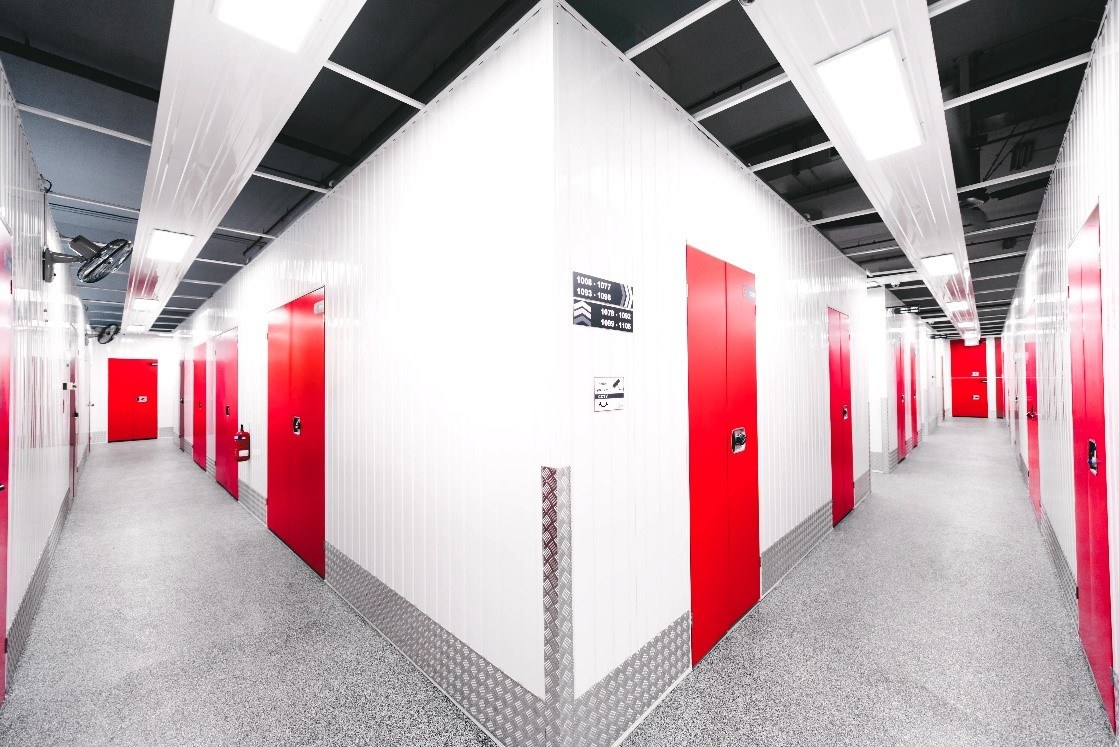
External storage takes selected artwork out of the renovation work zone for the project period. One move can remove exposure to dust, vibration, contractor traffic and shrinking floor space at the same time.
Treat the arrangement as temporary. Match collection and return dates to the period when the artwork needs to stay away from active works and final cleaning.
Ask a provider how artwork is received and documented at handover. Ask how collection and return are arranged. Confirm that the provider can handle the dimensions and format of each piece before transport begins. Review its terms for handling and access as part of the decision.
Tell the provider what types of work are moving. Include framed paintings, glazed works, prints and sculpture where relevant. Share dimensions before collection so unusual sizes are identified before anyone reaches the flat.
Keep your condition photographs and inventory separate from the pieces. Use them again at collection and return. This gives both handovers the same reference record.
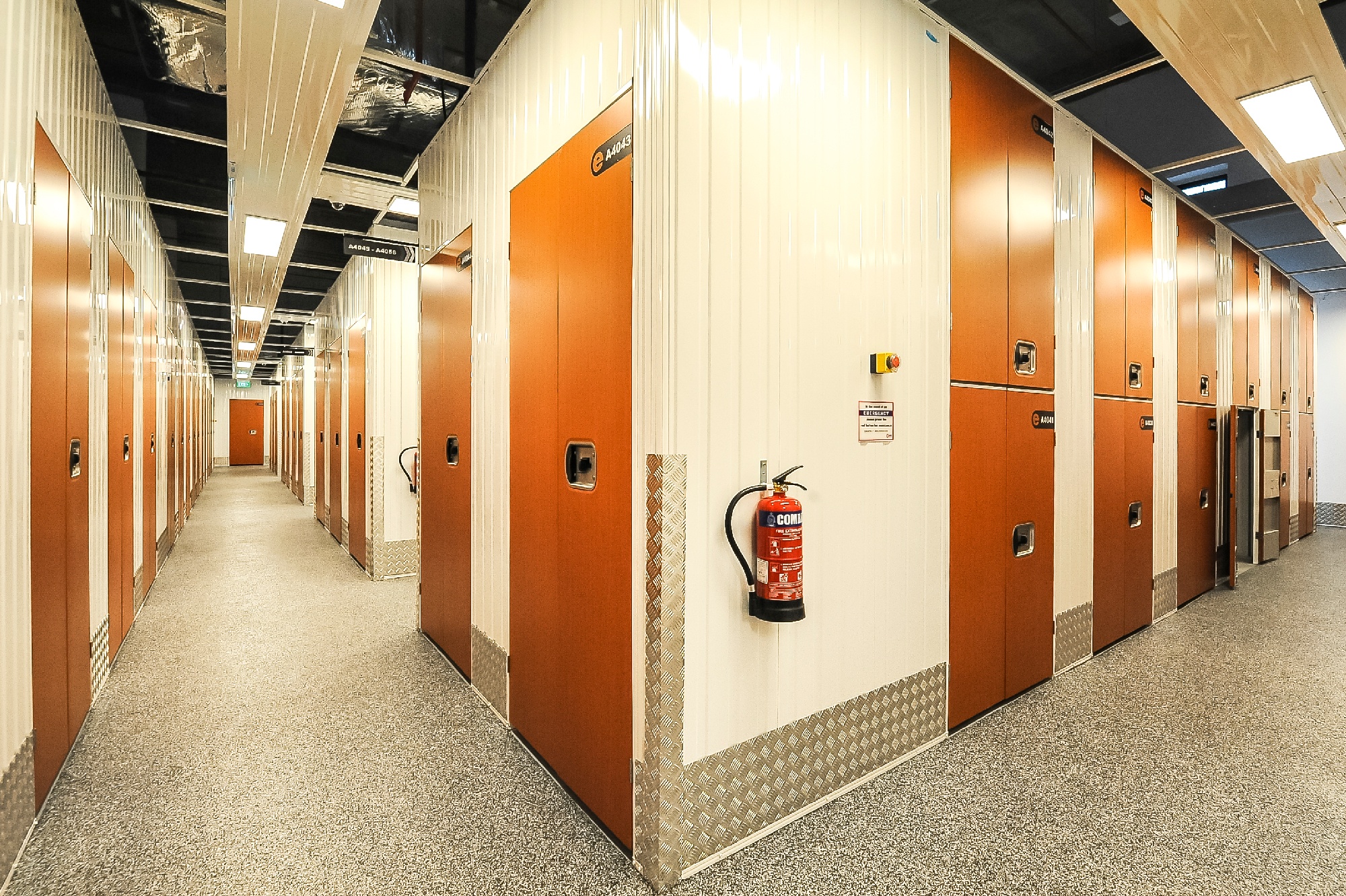
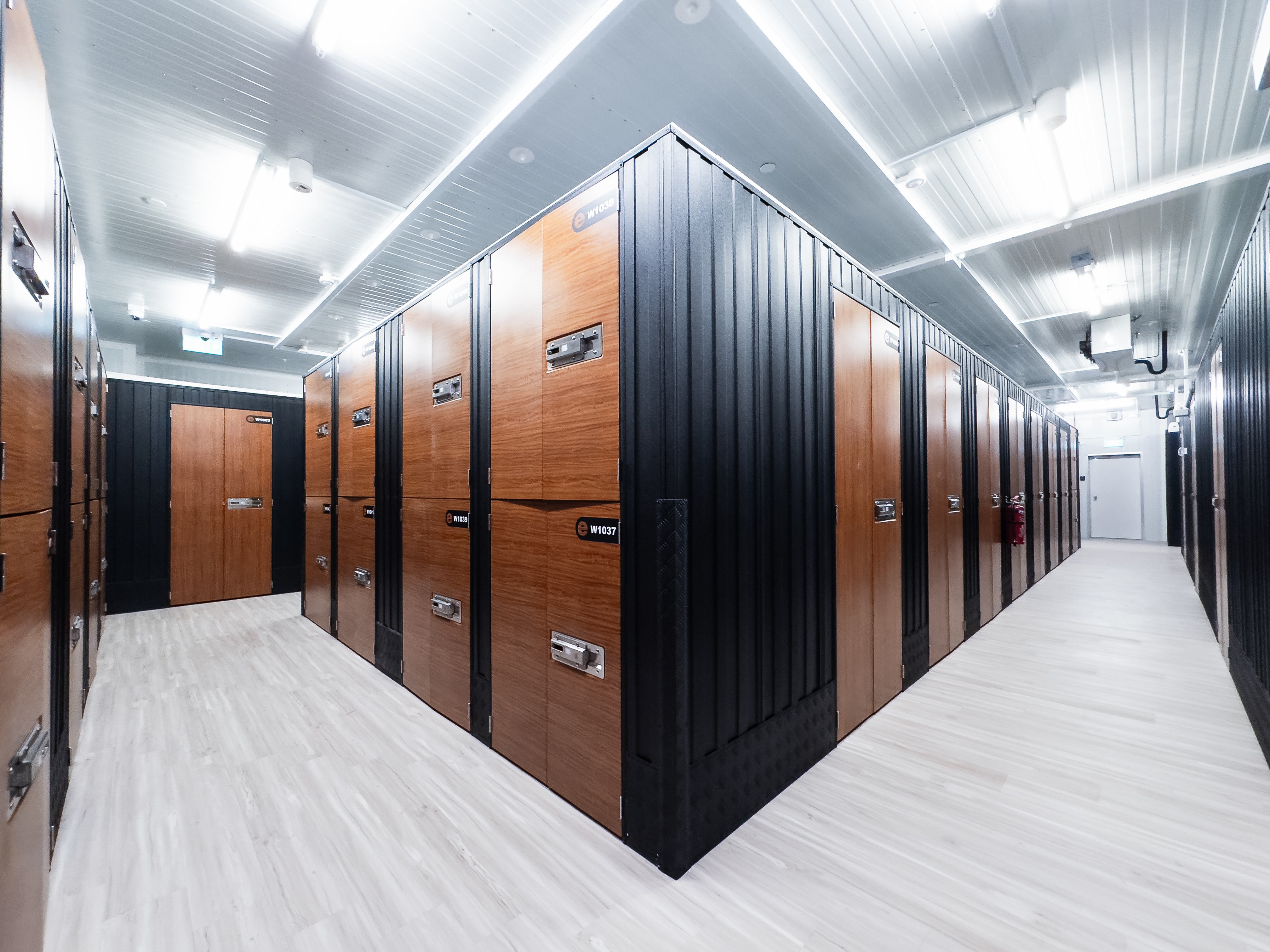
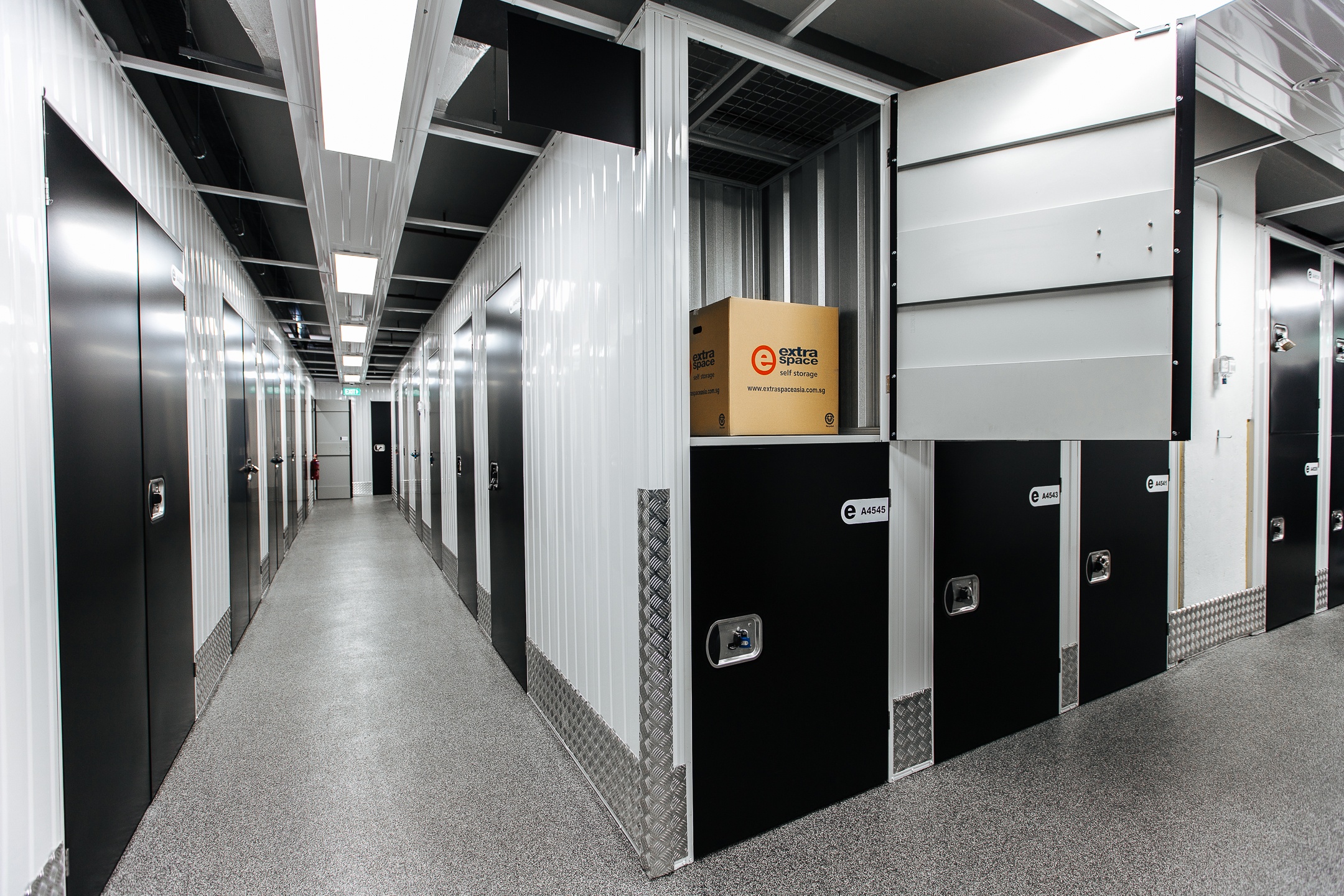
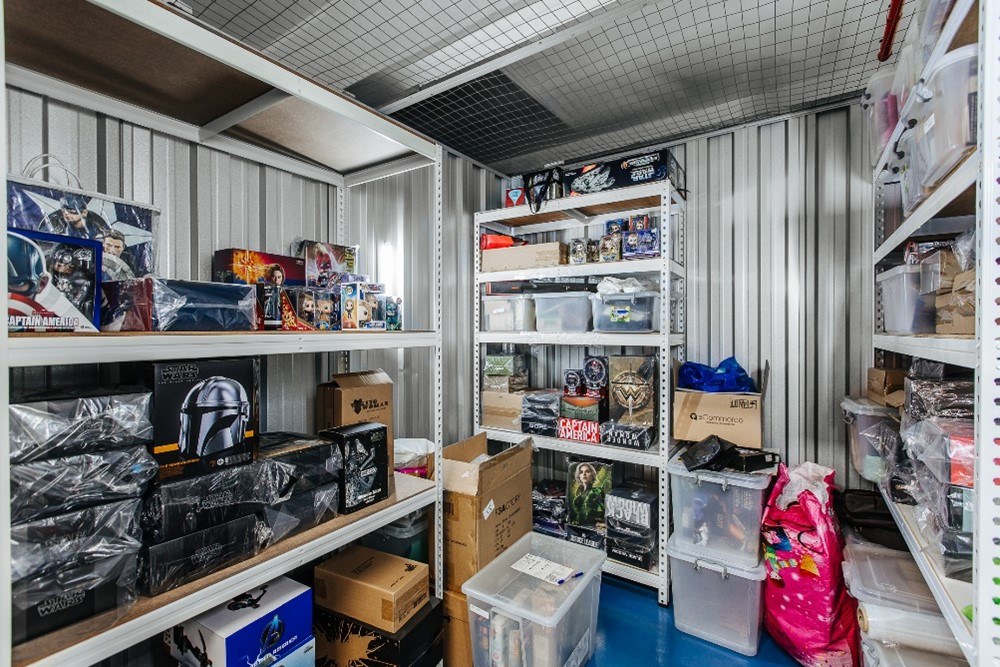
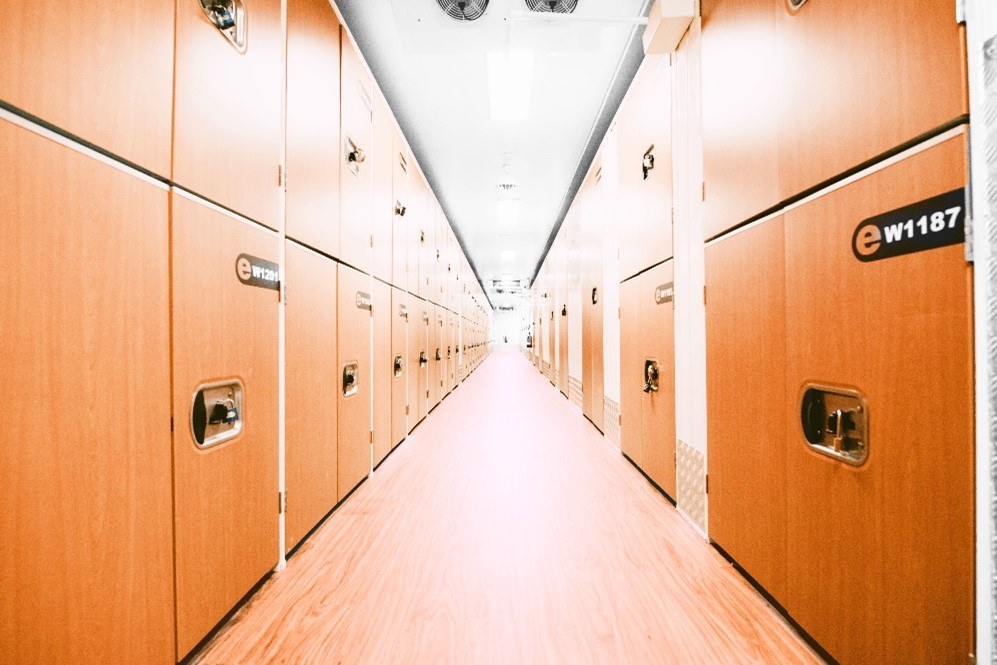
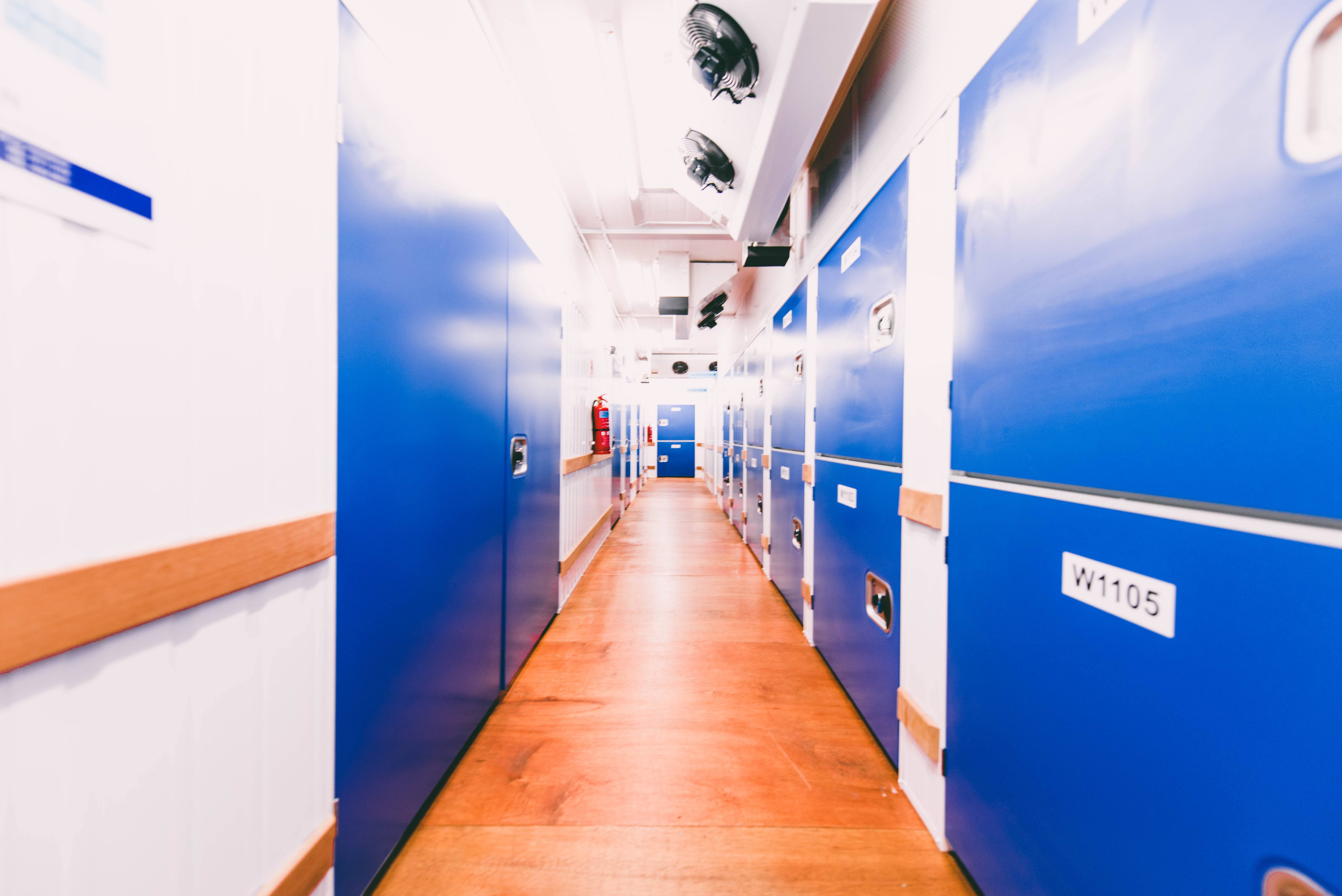
For collectors who need a temporary solution during renovation, Extra Space Asia provides fine art storage services in Singapore to keep selected pieces away from active work areas. This gives the removed pieces one planned destination until the flat is ready for them again.
The return date matters as much as the removal date. Artwork should wait until final cleaning is complete after contractors have finished.
Bring the artwork back after final cleaning
Wait until final cleaning is complete before returning the artwork. Sanding residue and paint overspray can remain on surfaces after active work ends. Cleaning gives the pieces a finished room to return to.
Check every work against the photographs taken before removal. Look at the front, back, frame and any area where you recorded an existing mark. Record any new change before rehanging the piece.
Use the labelled hardware record to match each work with its intended room. Inspect the new wall surface before putting artwork back. Confirm that the chosen fixing suits the finished wall and the piece that it will support.
Arrange suitable help for heavy or awkward works. Keep each piece vertical while it waits to be hung. Avoid resting unprotected faces against newly finished walls or against other works.
Return pieces in a planned order so each one goes directly to its intended room. This limits extra handling through a newly finished flat.
With the works back only after the rooms are ready, the renovation plan closes where it began, with a decision about what leaves and when.
Plan the artwork move before work begins
Protecting an art collection during renovation starts with deciding what leaves the property and when it leaves. Early removal keeps vulnerable pieces away from dust, drilling, crowded access routes and the loss of usable floor space.
Photographs create a condition record. Clear contractor boundaries protect the pieces that stay. A planned return after final cleaning avoids bringing works back into unfinished surroundings.
Walk through the flat with the renovation plan and mark every room with work scheduled. Then list every painting, print, sculpture or other piece on those walls or inside those rooms.
If that list needs a temporary destination, speak to Extra Space Asia about temporary storage for original artwork for the project period. We can help you plan removal before contractors begin and return the pieces once the flat is ready.
Frequently asked questions
Is covering artwork in place enough during renovation?
Covering a work leaves it inside the same room as dust, vibration and contractor movement. Removal before active works gives vulnerable pieces greater separation from those renovation hazards.
When should artwork be removed before renovation starts?
Move selected pieces before contractors begin setting up tools, materials and protective coverings. This gives the artwork a clearer route out of the flat and reduces handling beside active work.
Can artwork be stacked during renovation?
Keep paintings, prints and framed works vertical with protective material between them. Never stack works flat or lean one unprotected face against another.
Who is liable if artwork is damaged during renovation?
Liability depends on the renovation contract and the circumstances of the damage. Read the contract terms that cover belongings and damage, and seek appropriate professional advice if you need an interpretation of those terms.
When should artwork return after renovation?
Bring pieces back after final cleaning is complete. Check each work against its earlier photographs and inspect the finished wall before rehanging it.
Author bio
Established in 2007, Extra Space Asia has over 18 years of experience providing secure and flexible self-storage solutions across Asia. As a trusted regional storage provider, the company has earned industry recognition, including being awarded Singapore’s Favourite Self-Storage Brand from 2018 to 2026. Extra Space Asia continues to help individuals and businesses create more space with reliable, professionally managed storage solutions.