
A Storage Checklist for Students Between Accommodation Leases
Blog
October 2, 2026
AI summary
Students between accommodation leases in Singapore can make the transition easier by planning storage around their move-out and return dates. Sort belongings into what travels with you, what stays in Singapore and what you need first when you return. Clear labels, early storage arrangements and a collection plan help keep the handover organised.
Key takeaways
- Sort possessions by category, because textbooks, bedding, clothing, electronics and documents each need a different decision during the accommodation gap.
- Decide early what travels with you and what stays in Singapore, especially if your flight baggage allowance makes heavy or bulky items impractical to take home.
- Label every stored box for the version of you returning weeks or months later, with a number and a simple contents record that you can check on your phone.
- Arrange storage before the end-of-semester rush, when many students reach hall or lease end dates within the same short period.
- Check access hours against your departure and arrival plans, so the storage arrangement still works when your flight or move-in slot falls outside a typical daytime schedule.
Those choices become much easier once you know the exact length of the gap.
Write down the dates before deciding what stays
Start with the date you must leave your current room. Use the contract or hall licence as the reference.
Write down the first date you can enter the next accommodation. Add your departure flight if you are leaving Singapore. Add your return flight if you already know it.
The number of days between those dates changes the problem. A two-week gap may need a simple temporary arrangement. A four-month break needs a plan that still makes sense when you return after a long absence.
University housing dates can also be firm. NUS, for example, publishes official hostel check-in and check-out dates for each academic period. Students are expected to leave by the contract end date unless another approved stay applies. Confirm the dates issued by your own university or accommodation provider before making storage arrangements.
Semester endings also place many students on similar schedules. Leaving the booking decision until the final week can reduce the options available for the exact dates you need.
Once the dates are fixed, sort your belongings by category and give each group its own decision.
Sort possessions by what happens to each category
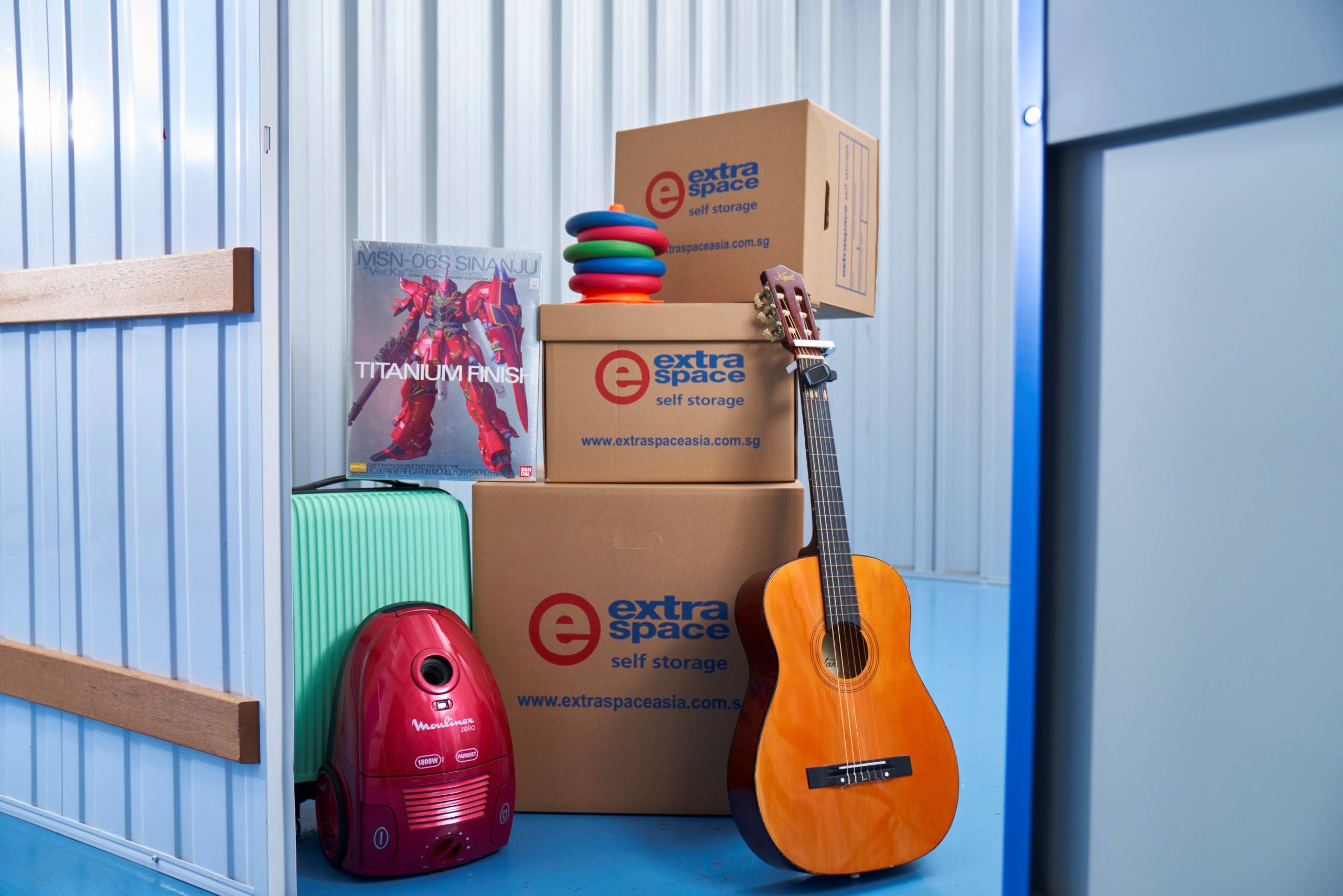
The useful question is what should happen to each type of possession during the gap. Five categories cover most student rooms.
Textbooks and course materials

Books are often the heaviest part of a student’s belongings. Start with the texts you need for the next module or semester.
Separate reference books that you use often from titles you could source again. Check whether a required text is already available digitally through your university library. That may change whether a physical copy needs to stay with you.
Shipping a box of books home is usually the least practical choice because weight rises quickly. Storage in Singapore can make more sense for books that you expect to use again after the gap.
Keep current notes and course material with the books they relate to. The next category creates the opposite problem because it takes up space without adding much weight.
Bedding and soft furnishings
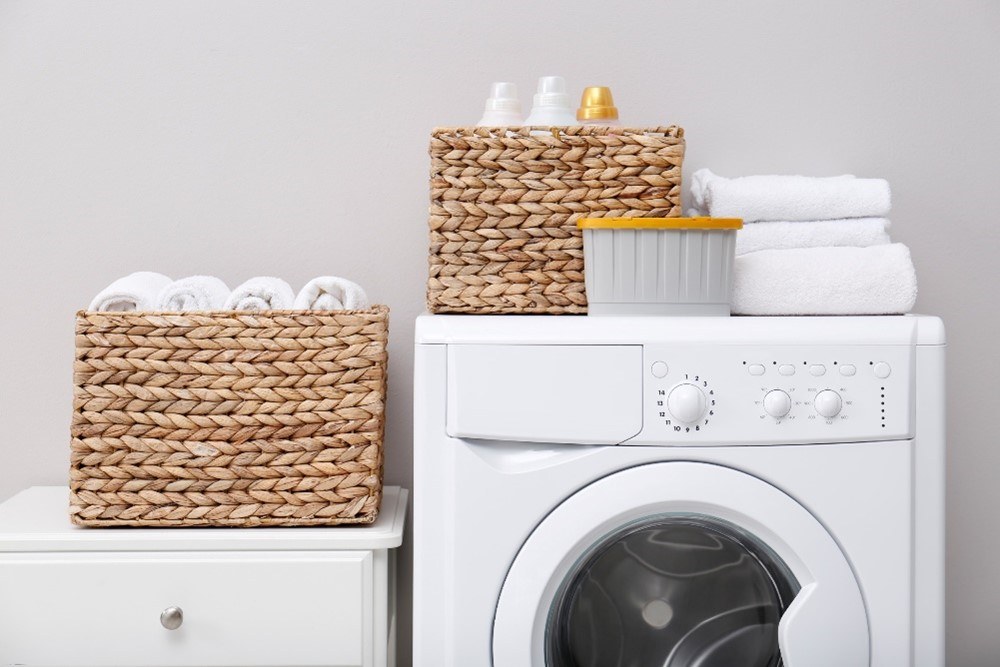
Bedding, towels and other soft items are bulky but light. They usually make straightforward candidates for storage during a lease gap.
Launder them before they go into a box. Pack them only once they are fully dry and clean. This keeps stored fabric ready for use when you return.
Keep complete sets together where possible. Your first night in the new room becomes easier when sheets, pillowcases and a towel are easy to identify.
Clothing needs a different split because your destination may decide what travels with you.
Clothing
Sort clothes by season before deciding what stays. A student flying back to a colder country may need winter coats, heavier shoes and warm layers during the break.
Leave clothes in Singapore if they suit the next semester more than the trip home. This reduces the amount carried through the airport and gives you a clearer return wardrobe.
Keep the first few days after arrival in mind. A change of clothes should stay easy to reach rather than disappearing into the middle of the stored group.
Small appliances and electronics need more attention because every device arrives with its own parts.
Small appliances and electronics
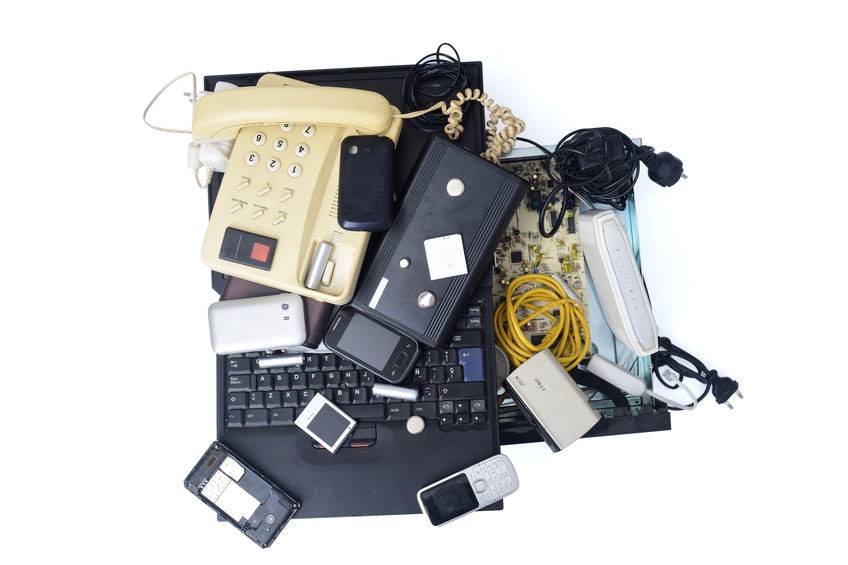
Kettles, fans, rice cookers, monitors and desk lamps can be awkward to move even when each item is small.
Remove batteries from devices that use them. Coil cables neatly. Label each cable with the device it belongs to. Keep original boxes where you still have them.
A monitor cable marked with the device name is easy to find four months later. An unlabelled cable mixed with several others turns the first day back into a matching exercise.
Keep laptops and other items you need while travelling out of this group. Documents and valuables should stay with you too.
Documents and valuables
Passports, immigration documents, offer letters and essential personal records travel with you. They do not go into storage.
Keep your laptop with you if you need it during the gap. Carry other high-value personal items that need to remain with you on arrival.
If your gap raises a Student’s Pass question, use the Immigration & Checkpoints Authority’s official information for students at Institutes of Higher Learning or ask your university. Immigration decisions belong with those official sources.
With the five categories sorted, the next task is to label everything for a future version of you who may remember far less than you expect.
Label everything for the version of you who comes back later

Four months can erase the memory of what went into each box. A label such as ‘books’ or ‘clothes’ will help less than you expect after a flight.
Number every box. Keep a matching note or photograph on your phone. Add enough detail to tell similar boxes apart.
Mark the box you will need first after arrival. Bedding, a towel and a change of clothes are the usual day-one items. Put that box in last so it is the first one you can reach.
Use the same rule for electronics. Record which box holds each separate cable. Clear labels save you from opening several boxes to rebuild one desk.
Once you know what is in every box, choose a storage arrangement that fits the gap itself.
Choose storage around the gap itself
Start with location. A storage point near your campus or next accommodation can reduce the distance at both ends of the gap.
Access hours matter just as much. Compare them with your flight, hall checkout and new move-in slot. Your belongings need to be reachable when your schedule allows.
Check the minimum rental period against the length of the gap. A student storing four boxes for several weeks has a different need from someone leaving Singapore for a full semester.
Ask whether you need to be physically present during handover and collection. This matters before a flight or an overseas stay.
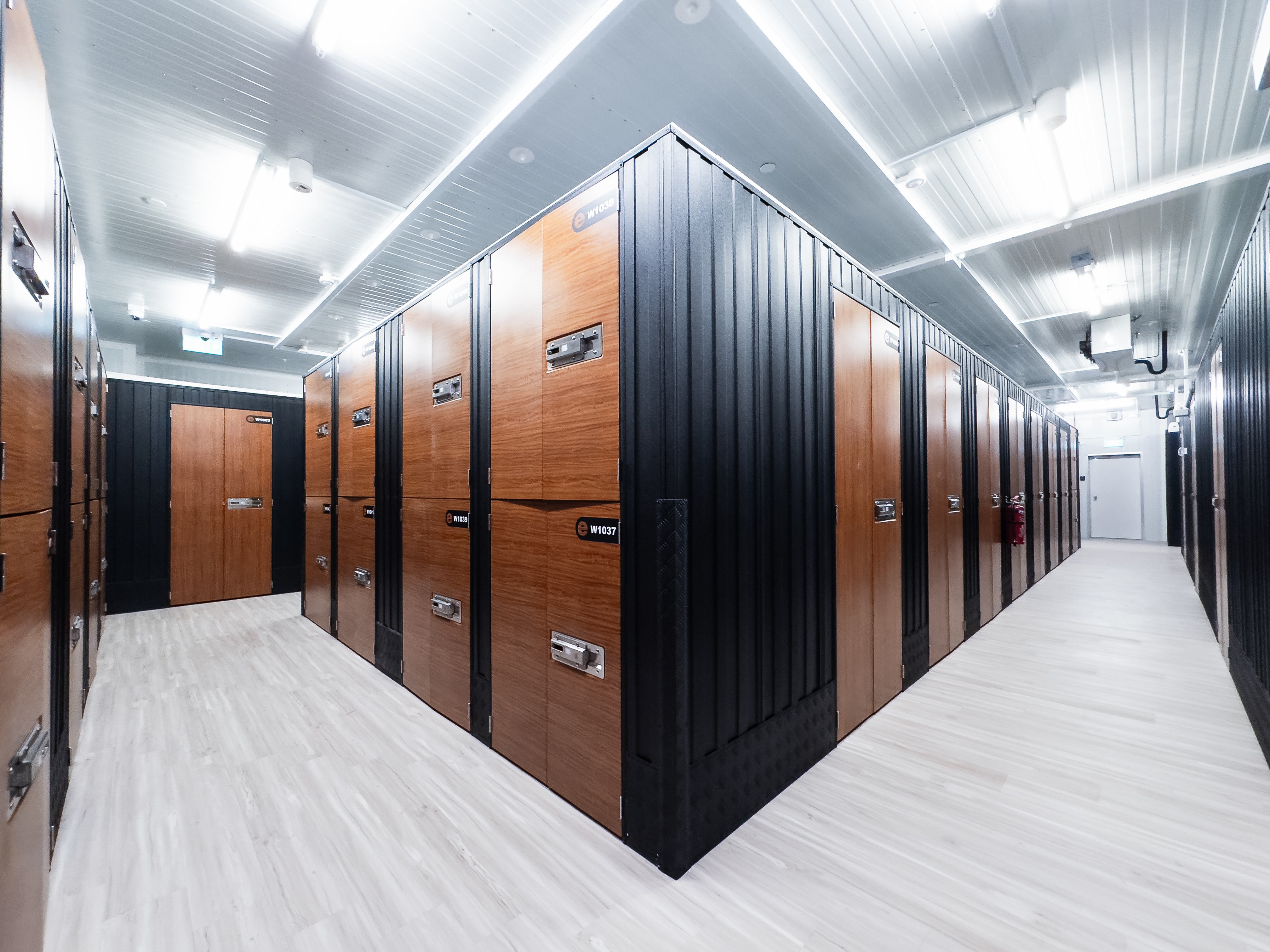
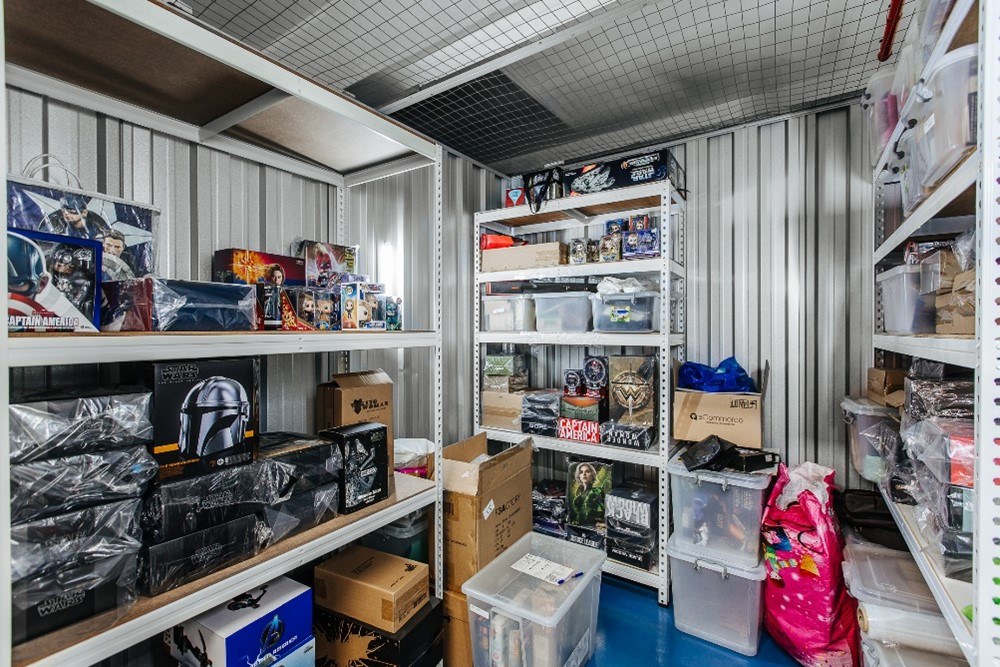
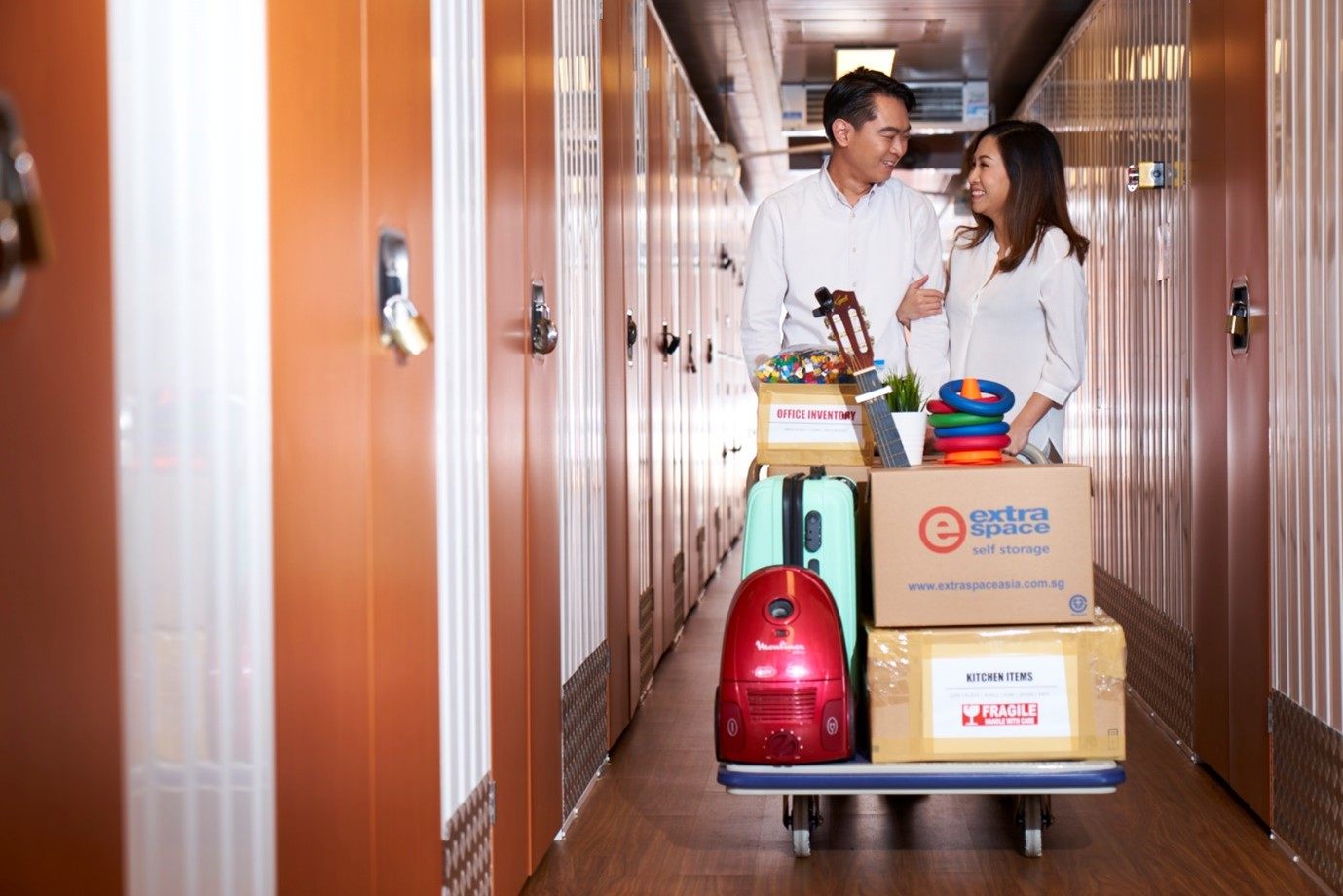
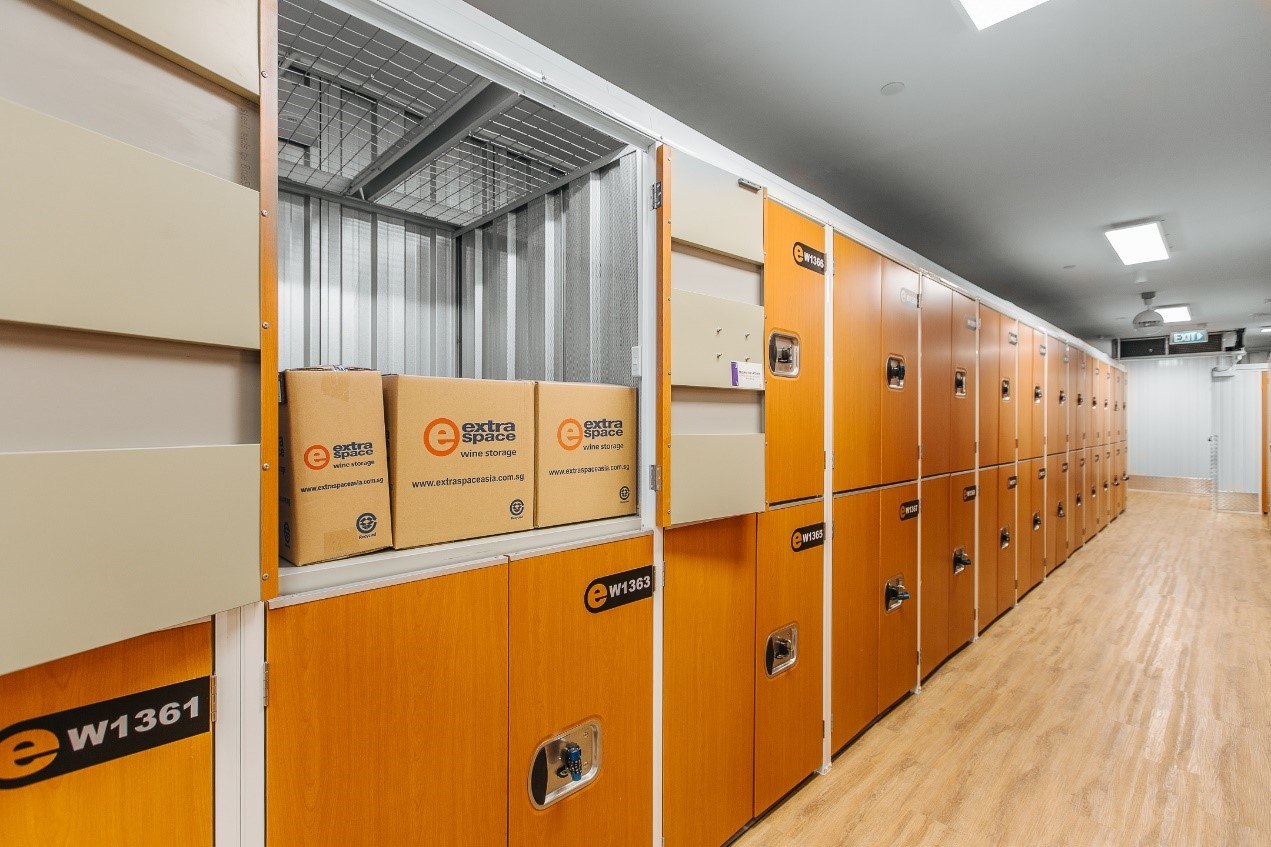
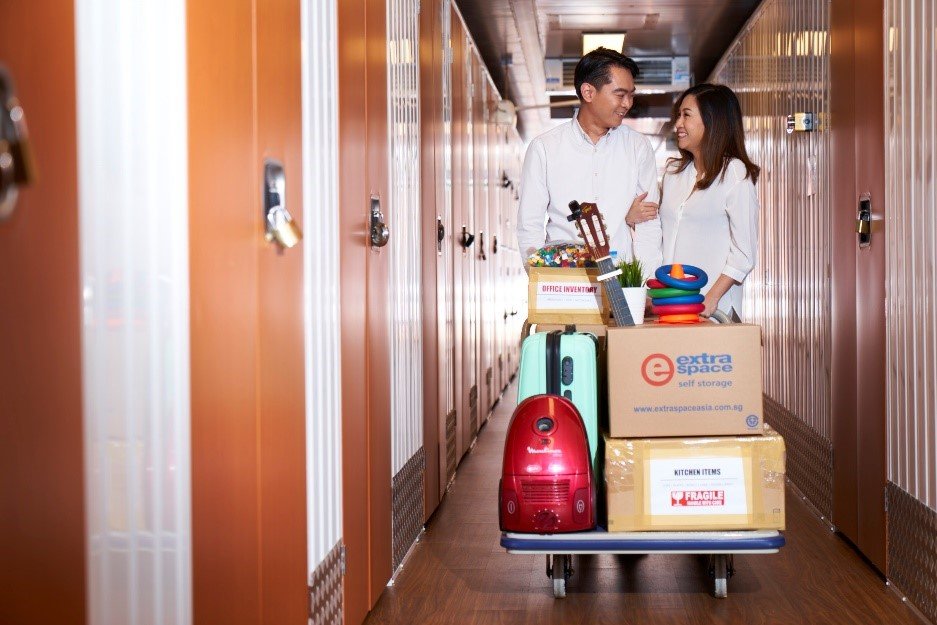
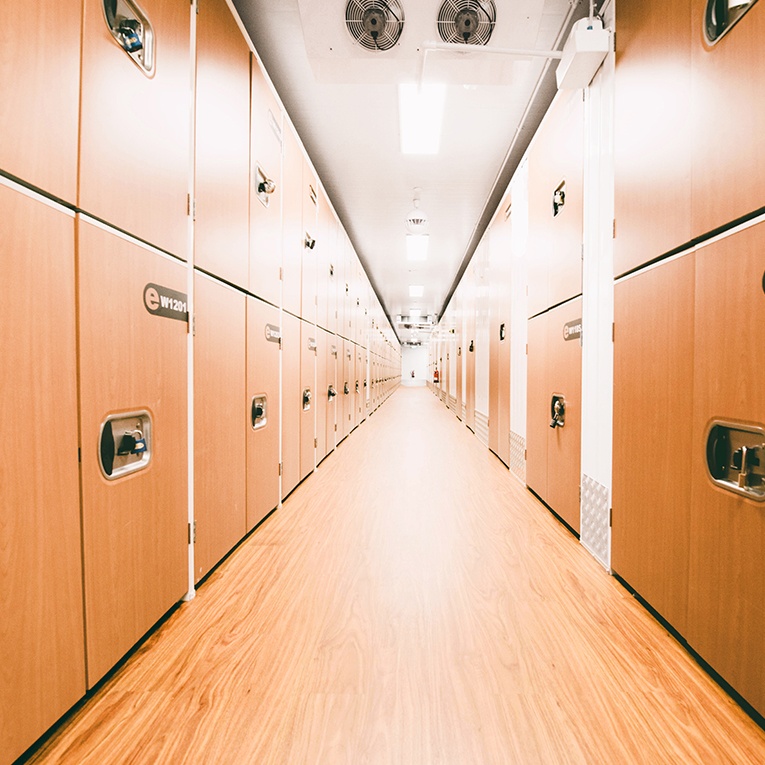
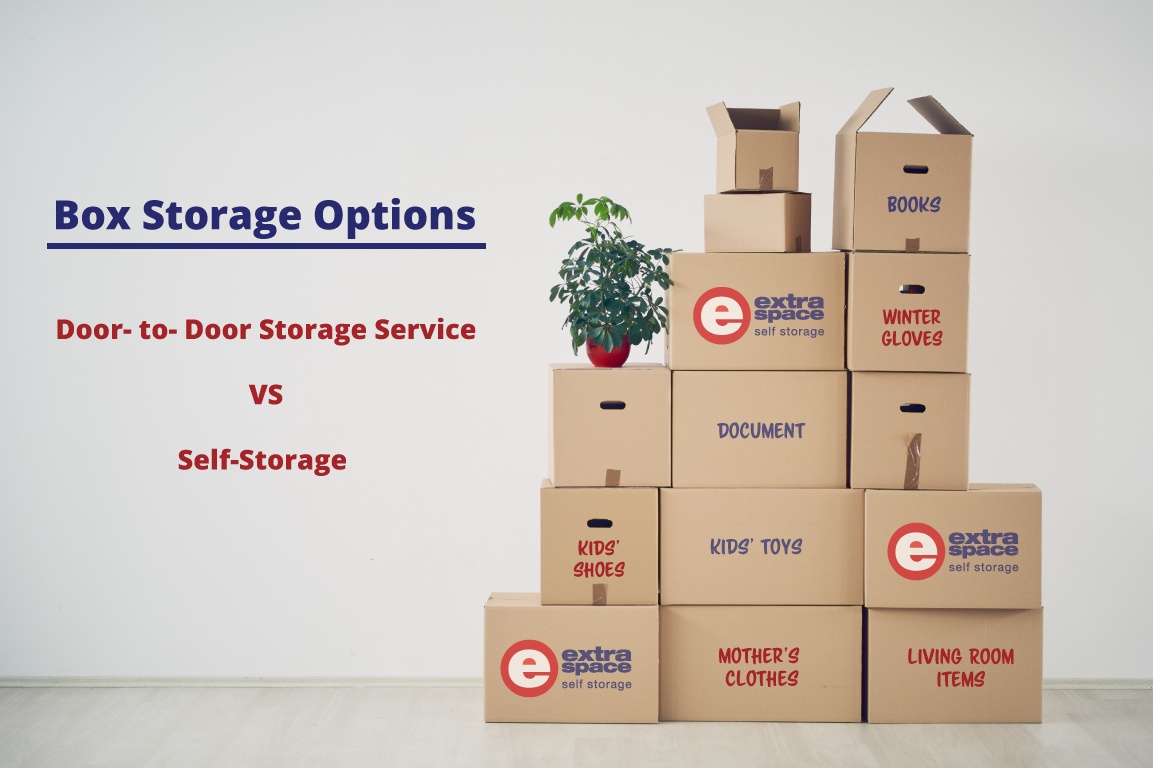
A rented storage space gives you direct access to boxes and awkward items. A door-to-door box service suits a smaller set of boxed belongings. Collection and return can reduce the need for separate storage trips.
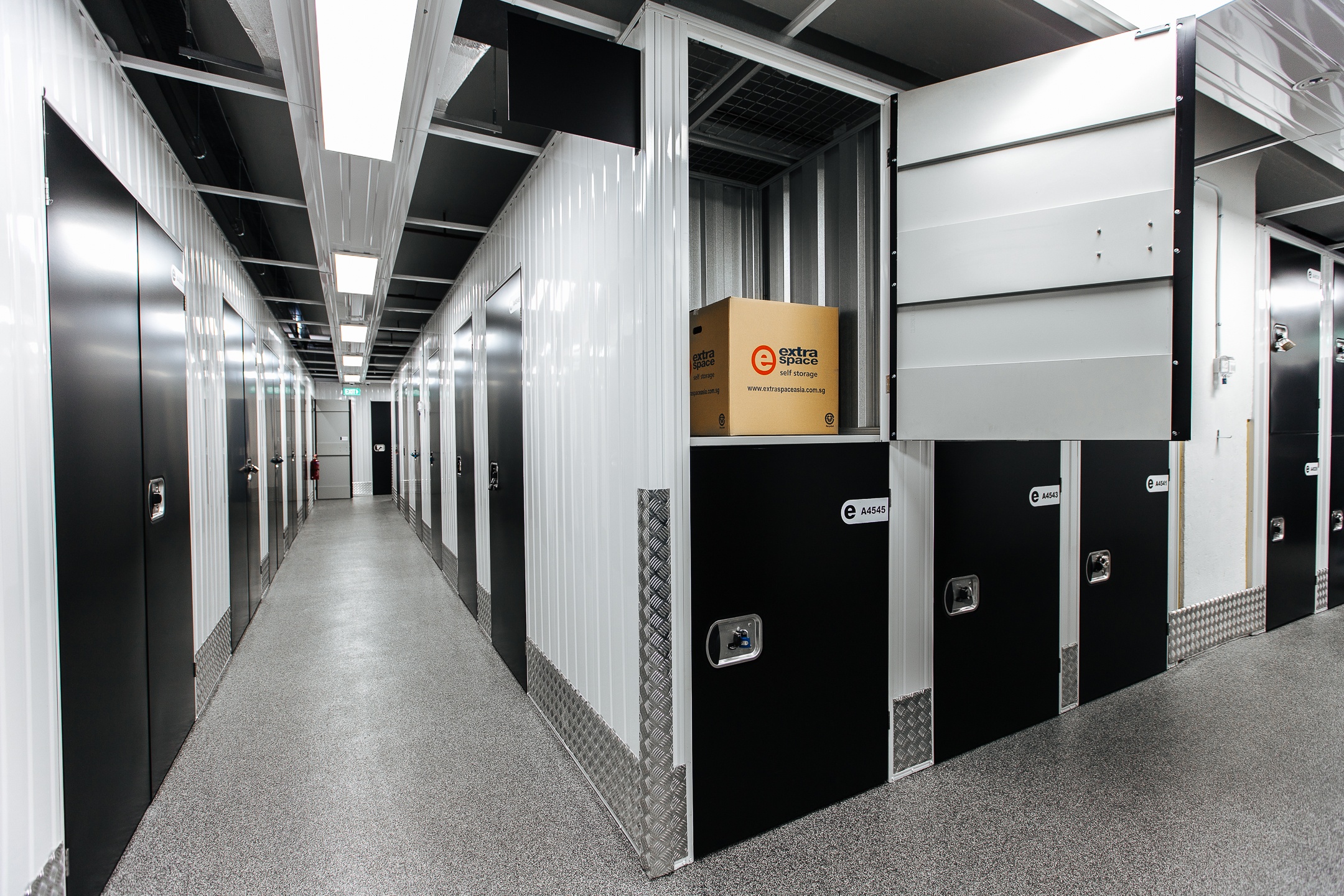
Extra Space Asia can help you compare locker storage in Singapore with a more hands-off box arrangement. This can suit a short lease gap with limited belongings.
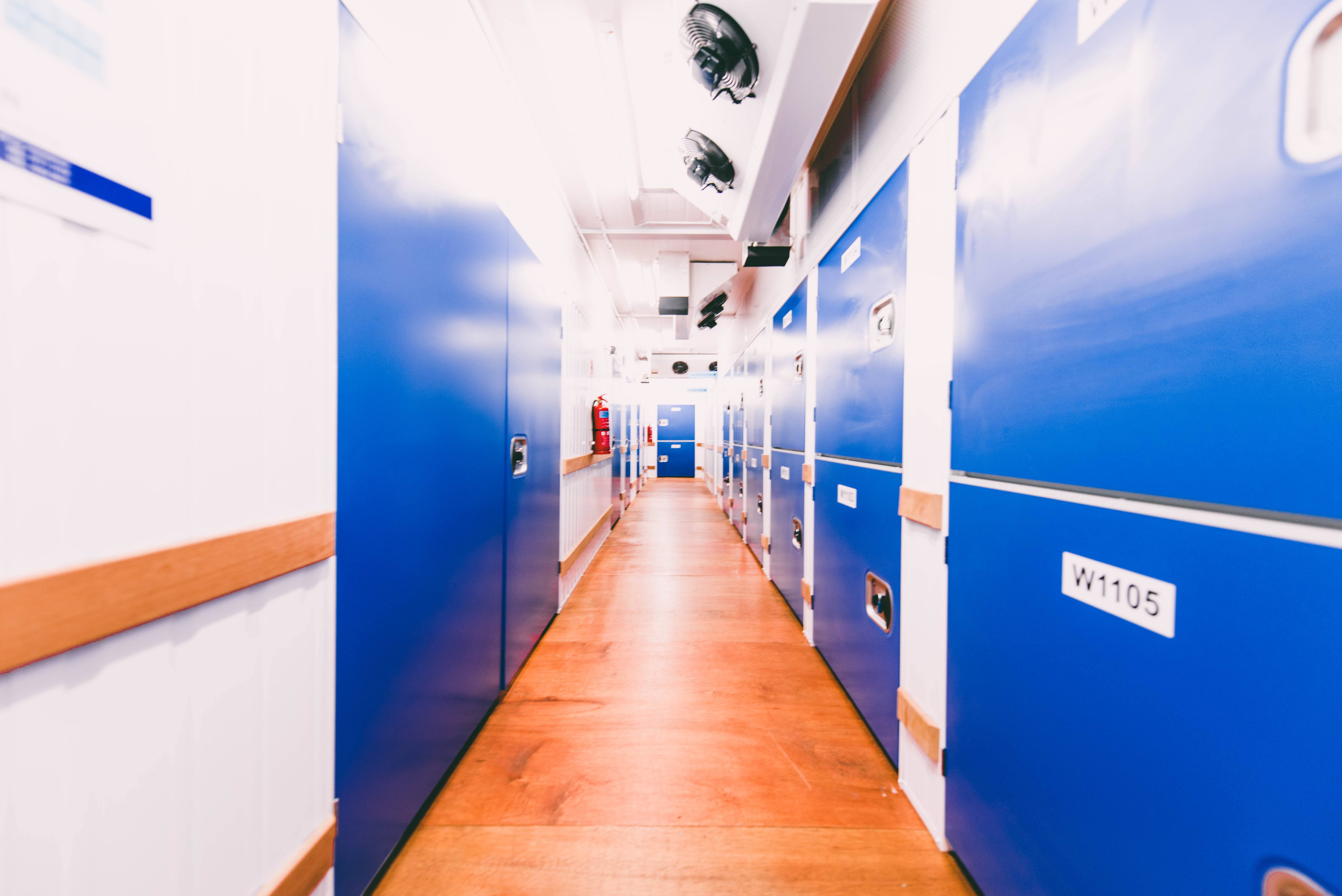
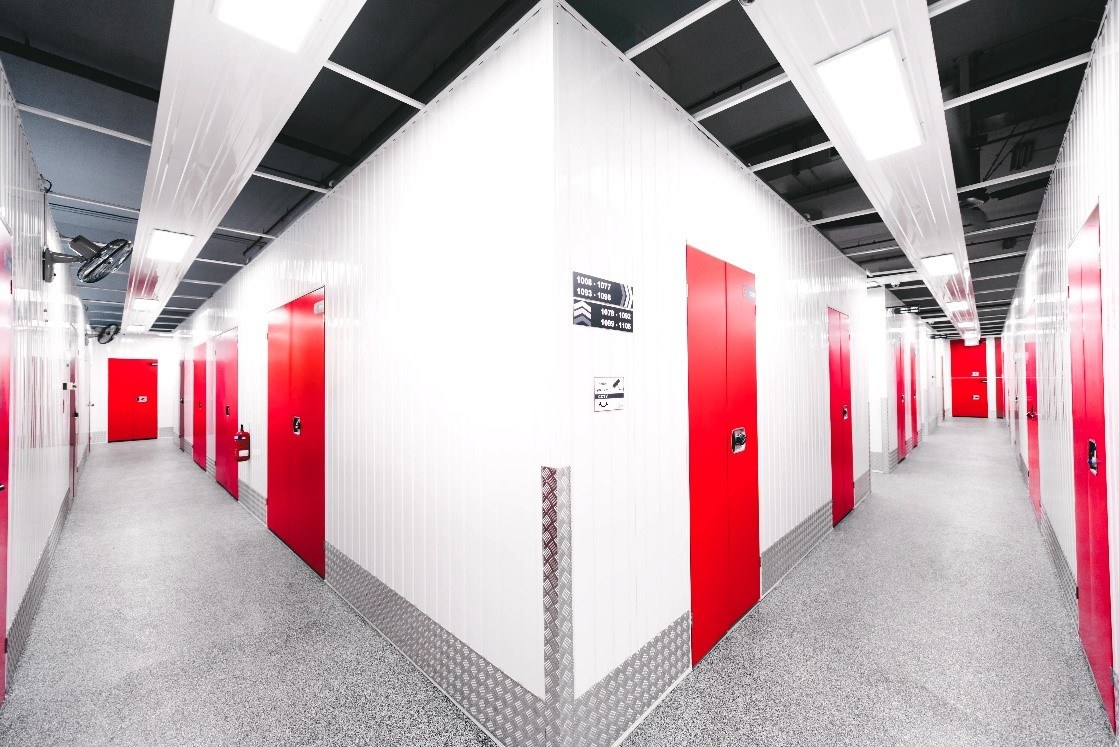
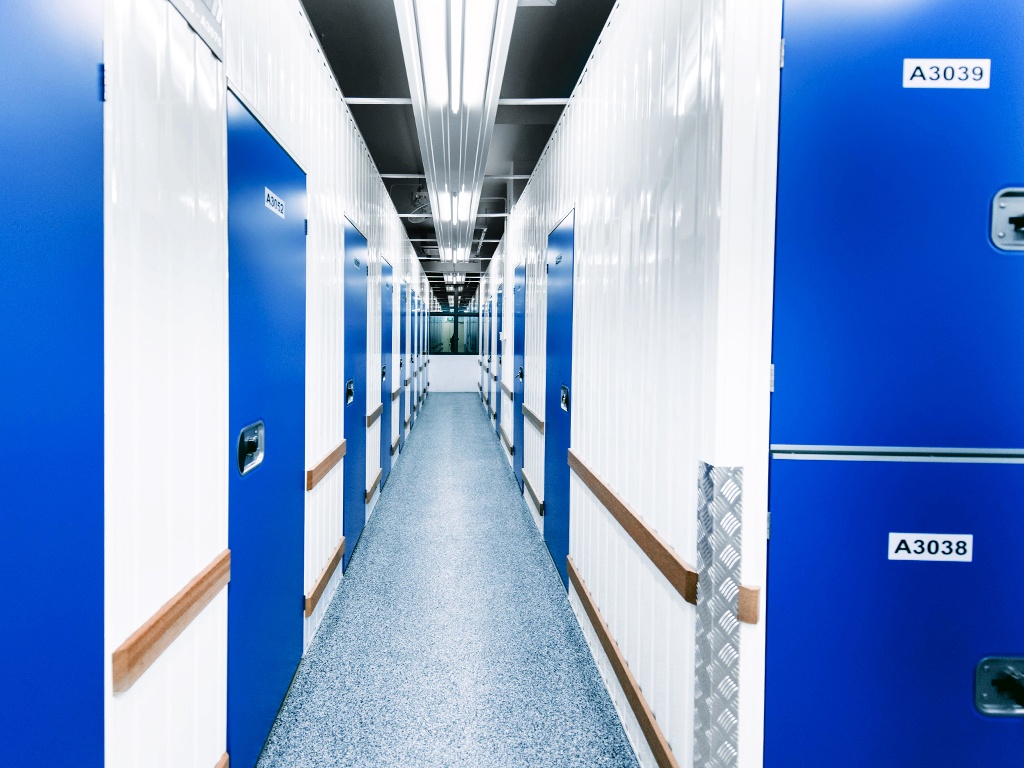
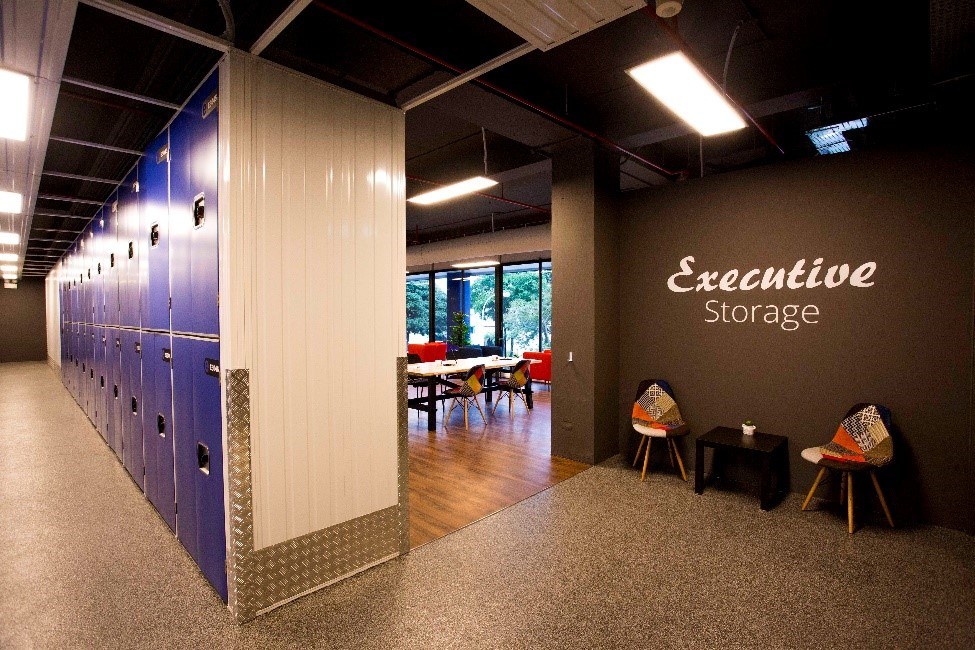
A Singapore storage locker can suit a student who wants a fixed place for belongings between addresses. Check the access arrangement against your travel dates before choosing it.
After you choose the arrangement, timing becomes the next constraint.
Book before the end-of-semester rush
Many hall and lease end dates fall into the same part of the academic calendar. That concentrates demand into a short window.
Arrange storage before your final week. Set the move-out slot, transport plan and access details before the licence or lease ends. This leaves less to solve during checkout and travel.
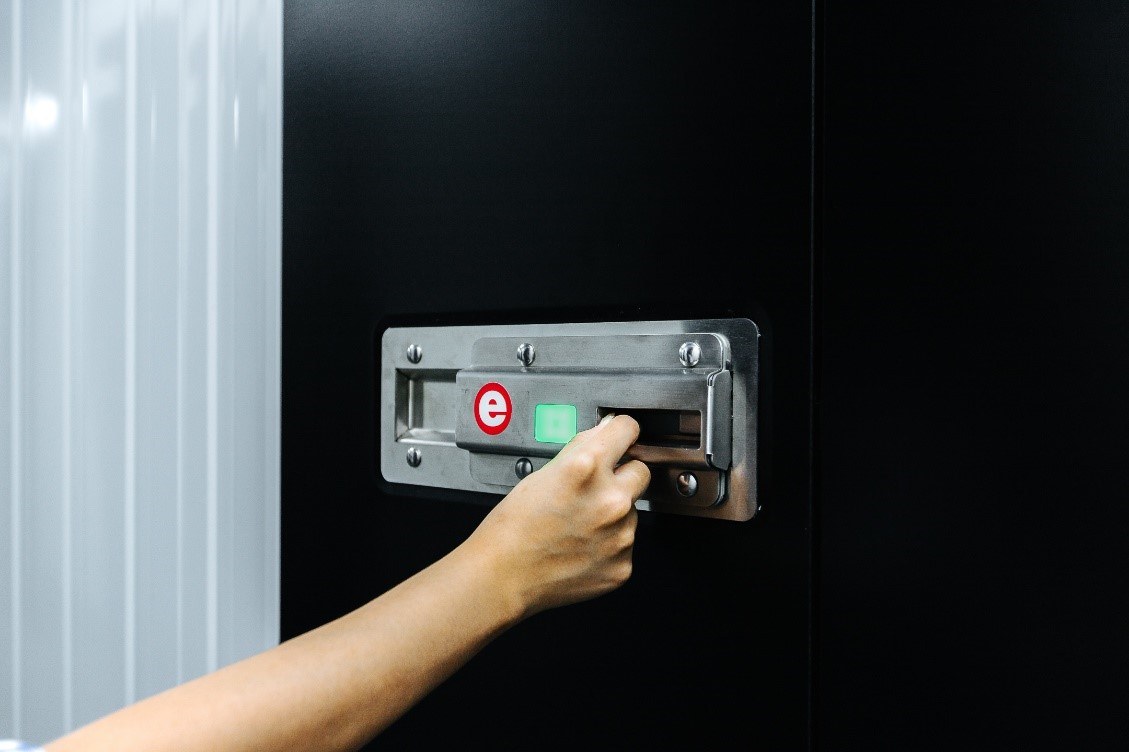
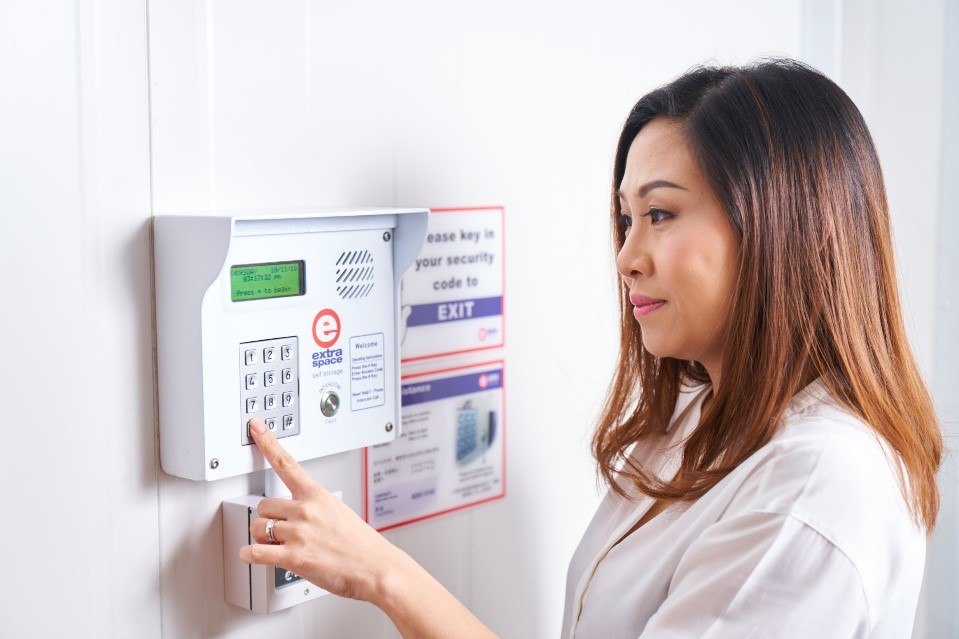
Confirm how you will enter the facility or complete the handover. Keep any access credentials somewhere easy to reach on move-out day.
A late booking gives you whatever availability remains. Earlier planning gives you more control over the dates around room checkout, storage handover and your flight.
Extra Space Asia is worth contacting early for student locker storage in Singapore during a busy semester-end period.
The booking is only half the plan. The collection date also has to work with your return.
Plan collection around your arrival
Check the exact move-in date for the new accommodation. Look for rules on delivery times, lift bookings or move-in slots before arranging collection.
Plan around your arrival time. An evening landing may place collection on the following morning. Match the handover to the first time you can enter the room.
Put the day-one box at the front of the collection plan. Bedding and a change of clothes should reach you before items that can wait.
Allow enough time between landing and collection for immigration, baggage and travel from the airport. Build the plan around a realistic arrival sequence.
A storage locker in Singapore should fit the first day you can enter your new room. Check its access arrangements before fixing the collection plan.
Once the return is planned, the whole gap comes back to one simple sorting rule.
Make the gap easier by sorting first
A student between accommodation leases needs a plan built around dates and categories. The gap may last weeks or months. You may be outside Singapore for much of it.
Sort textbooks, bedding, clothing, electronics and documents by what happens to each group. Label every stored box for the future version of you who has forgotten the details. Match storage access to your departure and arrival schedule.
Write down four dates first: the current lease or hall end date, the next start date, your departure flight and your return flight. Then sort your belongings into the five categories in this checklist.
Extra Space Asia can help you arrange a student storage locker in Singapore around those dates and keep the handover tied to the gap you actually have.
Frequently asked questions
How long before the semester ends should I book storage?
Arrange it before the final week when possible. End-of-semester dates place many students on similar schedules, so earlier booking gives you more choice around your exact move-out date.
Should passports and immigration documents go into storage?
Keep passports, immigration documents, offer letters and essential personal records with you during the gap. These items should travel with you.
What should I do with textbooks between leases?
Keep the books you will need for the next module. Check whether some titles are already available digitally through your university library. Store the texts you expect to use again if taking them home would add unnecessary weight.
Do I need to be present when my belongings go into storage?
That depends on the storage arrangement and provider. Ask before booking. This matters if your flight leaves before handover or someone else may need to help.
How should I plan collection when I return to Singapore?
Match collection to the first time you can enter the new accommodation. Keep your day-one box easy to reach so bedding and a change of clothes arrive before less urgent items.
Should I insure my belongings during storage?
Check whether your existing contents insurance (if you have renters insurance) covers items in storage. Extra Space Asia offers optional storage insurance. Ask about coverage limits and premiums when you make bookings. Keep a photo inventory of stored items and their condition before handover.
Author bio
Established in 2007, Extra Space Asia has over 18 years of experience providing secure and flexible self-storage solutions across Asia. As a trusted regional storage provider, the company has earned industry recognition, including being named Singapore’s Favourite Self-Storage Brand from 2018 to 2026. Extra Space Asia continues to help individuals and businesses create more space with reliable, professionally managed storage solutions.