Moving With Pets in Singapore: How to Prepare for a Safer Moving Day
Blog
October 2, 2026
AI summary
Moving with pets in Singapore requires planning for your pet’s safety, transport and official records. Prepare the carrier or crate before moving day, keep your pet away from open doors and loading areas, update licence and microchip details, and check the pet rules at your new home. On moving day, create a secure quiet space for your pet, and introduce them gradually to the new environment after arrival. These steps help reduce stress and create a safer transition for both pets and owners.
Key takeaways
- Keep your pet in a closed room with food, water, litter or pads, and a familiar blanket, well away from the open front door and the route used by movers.
- Introduce the carrier or crate well before moving day through open access, familiar bedding, nearby feeding, and short practice periods so it feels familiar when your pet needs to enter it.
- Update the address on your pet’s licence when you move and check the linked microchip registration details so the records point to your current home.
- Confirm the pet rules at the new home before you commit to the property, including the relevant Housing and Development Board rules.
- Prepare one closed room at the new home with familiar bedding and familiar scents, then give your pet access to the rest of the home gradually as it settles into the new surroundings.
Start carrier or crate familiarisation weeks before the move
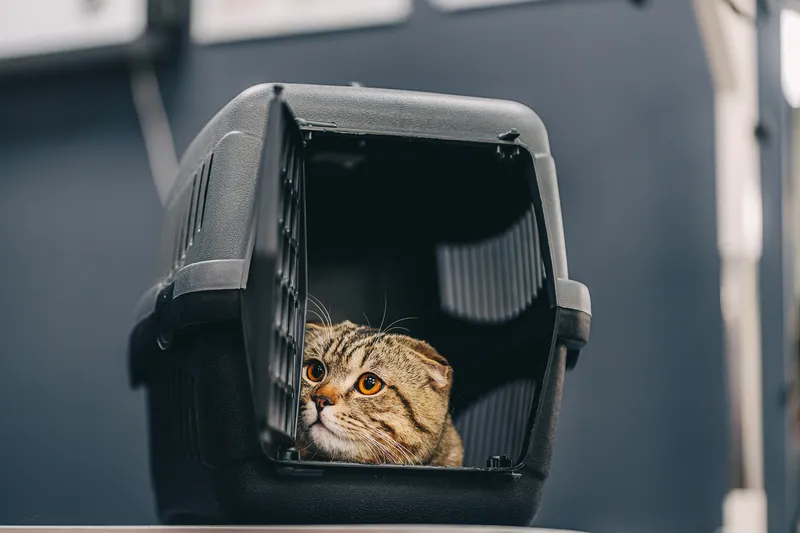
A carrier works best when your pet has seen it many times before moving day. Leave it open in a familiar room with bedding inside. The open carrier can then become part of the surroundings instead of a sudden signal for an unfamiliar trip.
Short practice periods help build that familiarity. Let your cat enter and leave on its own. Give your dog brief calm periods around the crate if a crate is part of its usual transport plan. Place meals or treats near the entrance if that helps your pet approach it comfortably.
The aim is simple familiarity. A carrier introduced on the morning of a move can become the object your pet resists at the worst possible moment. That resistance can delay departure while movers are already using the entrance.
Place the carrier where it stays visible for several days. Add a familiar blanket or bedding. Close the door for brief practice periods only after your pet is comfortable entering. Keep each practice period calm and predictable.
Tell the moving team about the pet setup before arrival. If you use movers in Singapore, ask Extra Space Asia to keep the designated pet room outside the handling route. That instruction reduces unnecessary movement past the closed door.
Carrier practice solves one moving-day problem. The pet records need the same advance attention.
Update the pet licence and identification records
Dog and cat licensing in Singapore is administered by the Animal and Veterinary Service (AVS), a cluster of the National Parks Board. The current Animals and Birds (Licensing and Control of Cats and Dogs) Rules 2024 provide the licensing framework.
A licensed cat or dog must be kept at the address registered on its licence. AVS says an address change must be reported through the Pet Animal Licensing System within 28 days of the change. Treat that update as part of the move plan because the registered address connects the animal to its official record.
Check the microchip information at the same time. AVS uses registered microchip information to trace an animal back to its owner after it is found. A current licence record and current owner details matter even more in an unfamiliar neighbourhood.
Cats in Housing & Development Board (HDB) flats have been permitted since 1 September 2024. Up to two cats are allowed in an HDB flat under the current framework. The transition period for cats kept before 1 September 2024 ran until 31 August 2026. Owners had that period to license existing cats under the transition arrangements. From 1 September 2026, pet cats are subject to the current licensing requirement.
Check current requirements with AVS directly before your move. Rules and administrative processes can change, and the official source should guide the address update you make.
Once the records are in order, the next question is whether your pet is allowed at the destination.
Check the new home’s pet rules before committing
HDB rules permit one dog from the approved list and up to two cats in a residential flat, subject to the Housing and Development (Animals) Rules 2024. Singapore Statutes Online sets out the current Housing and Development (Animals) Rules 2024. The official HDB and AVS information should guide any property decision involving your pet.
Private developments can apply additional rules. A Management Corporation Strata Title (MCST) can make by-laws on the keeping of pets under Singapore’s strata legislation. Permission in a private development therefore depends on the by-laws that apply to that property.
Ask for the pet rules before signing a tenancy agreement or committing to a purchase. Confirm the allowed animal type, the number of pets, and any rules that affect common areas. This question belongs at the property stage because a restriction discovered after commitment can create a serious problem for both you and the animal.
Once the destination is confirmed, the focus can move to controlling the busiest hours of moving day.
Protect the pet during moving day
Start moving day with one clear plan for where your pet will stay during loading.
Keep the pet behind one closed door
Choose one room away from the entrance and the main carrying route. Put the pet inside before movers begin. Close the door and place a clear sign on it so nobody opens it during loading.
Set up food and water in the room. Add litter for a cat or pads for a dog that uses them. A familiar blanket gives the animal something recognisable while footsteps and furniture movement continue outside.
Clear this room last. The front door may stay open for repeated trips, and the lift lobby gives an escaping animal another route away from the flat. A closed pet room creates one controlled boundary during those hours.
Plan the handover with the moving team. You can ask Extra Space Asia to time the moving and transport service around the point when your pet leaves the room. This keeps the pet transfer separate from the main flow through the entrance.
Remove the pet from the flat when that is safer
Some pets cope poorly with repeated voices, footsteps, and furniture movement. Boarding can remove that exposure for the day. A friend’s home can offer a familiar person and a quieter setting. Daycare can suit an animal that already knows the place.
This option can make more sense for a very nervous animal. It can also suit a long move or a household with several pets. The goal is to reduce the number of moments when someone must manage an anxious animal beside an active loading route.
Arrange the alternative location before moving day. Use a familiar carrier for the transfer and keep the animal’s identification details current.
Secure the pet during transport
Place the pet in a secured carrier inside the vehicle. Position the carrier so it stays stable during braking and turns.
Never let a pet travel loose in the vehicle. Never place the carrier in a boot with luggage. Never leave the pet in a parked vehicle.
Arrival creates a new risk because every corridor, window, and doorway is unfamiliar.
Settle your pet into one room first
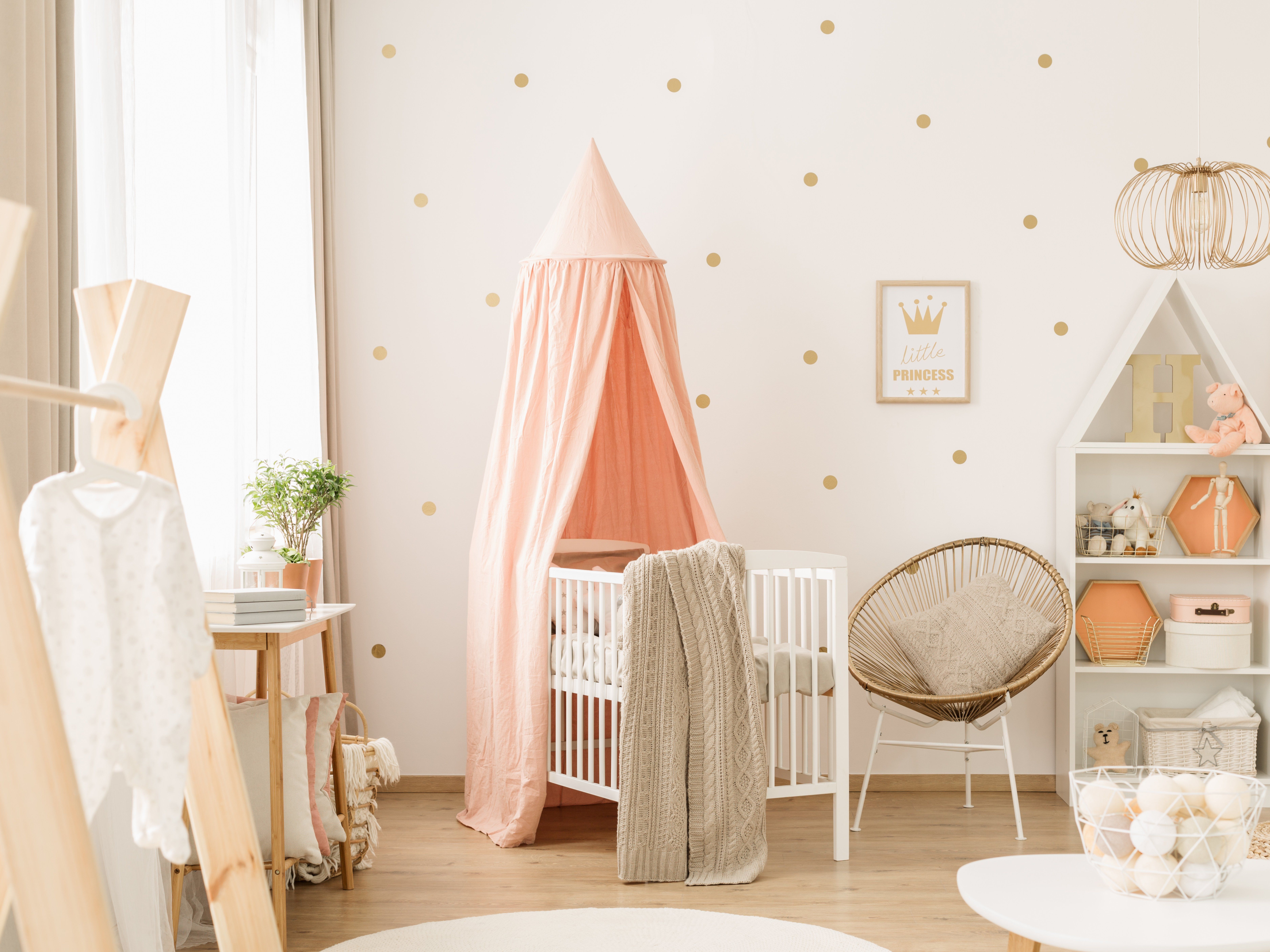
Prepare one room in the new home before the animal arrives. Put familiar bedding inside. Add an unwashed blanket or another safe item carrying the old home’s scent.
Bring the pet directly into that room and close the door. Let the animal become familiar with this smaller area before opening access to more rooms. Gradual access gives you more control over exits and hiding places.
Keep the first room available while the last moving tasks finish elsewhere. Returning movers can create fresh door activity after the animal arrives. A closed room keeps that late movement away from the pet.
Open access in stages once the home is quiet. One adjoining room gives the animal a smaller area to inspect. Familiar bedding can stay in the first room so the pet has a recognisable place to return to.
Check the new flat for pet-specific escape risks before expanding that access. Open windows, unmeshed grilles, balconies, unfamiliar neighbours, and unfamiliar corridors can all matter during the first days. The animal has no established sense of the new boundaries yet.
Behaviour can change for a short period after a move. Hiding, extra vocalising, pacing, or clingier behaviour can appear while the new routine becomes familiar. Many pets settle over several days or a few weeks as daily patterns become predictable.
Persistent behavioural changes should be discussed with a vet. Medical questions also belong with a vet.
Once the pet has a controlled arrival space, you can reduce the amount of activity it has to hear outside that room.
Reduce the amount moving past the pet
Every extra box or piece of furniture creates another trip through the entrance. Each trip adds movement outside the pet room and extends the period when the front door is in active use.
Move non-essential items out ahead of the main day where possible. A lighter moving-day load can shorten the disruption window and reduce the number of people passing the closed pet-room door.
This matters most while the animal can hear activity from its safe room. Fewer furniture carries mean fewer heavy movements near that door. Fewer box runs also mean fewer chances for someone to approach the room by mistake. The pet spends less of the day surrounded by unfamiliar movement.
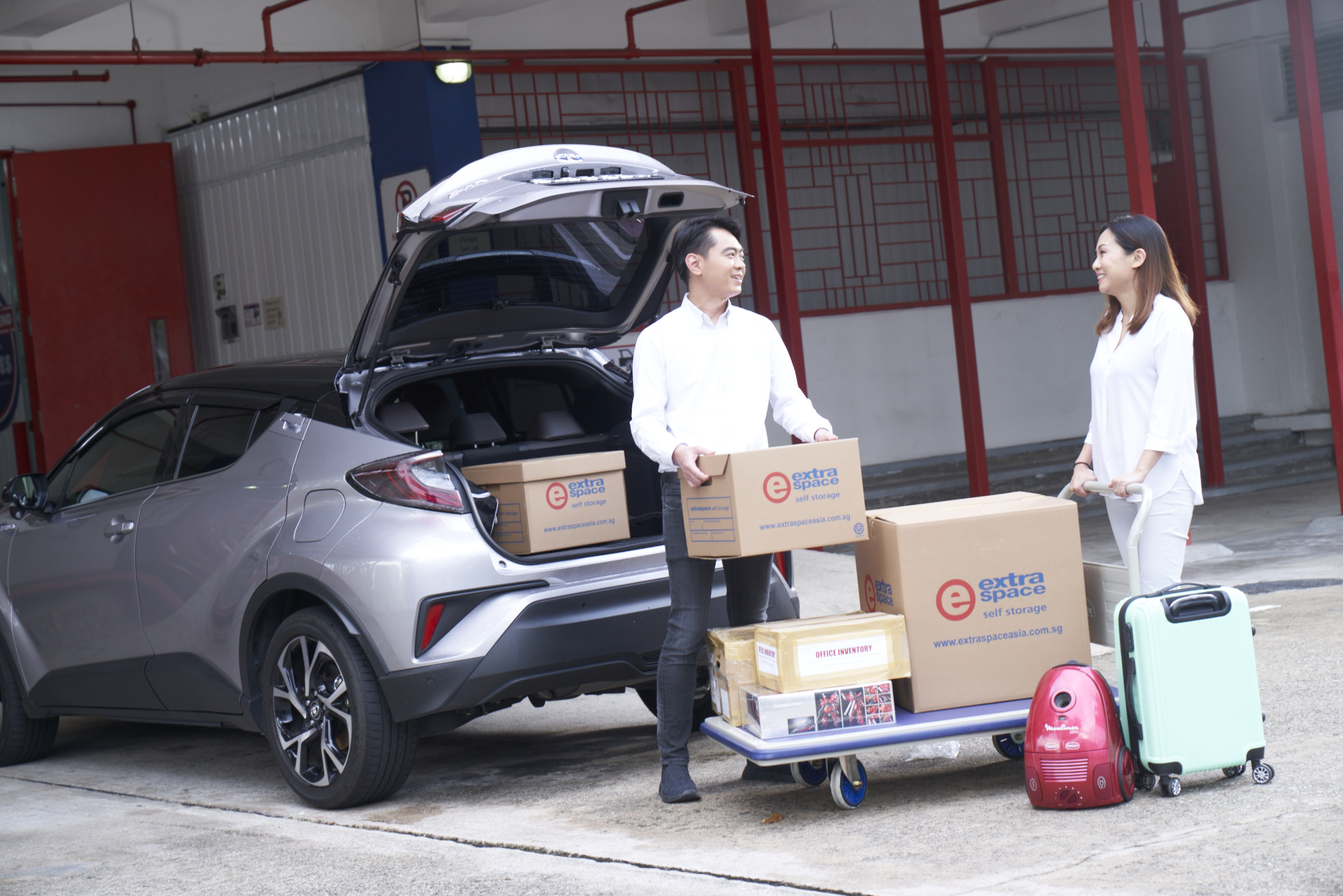
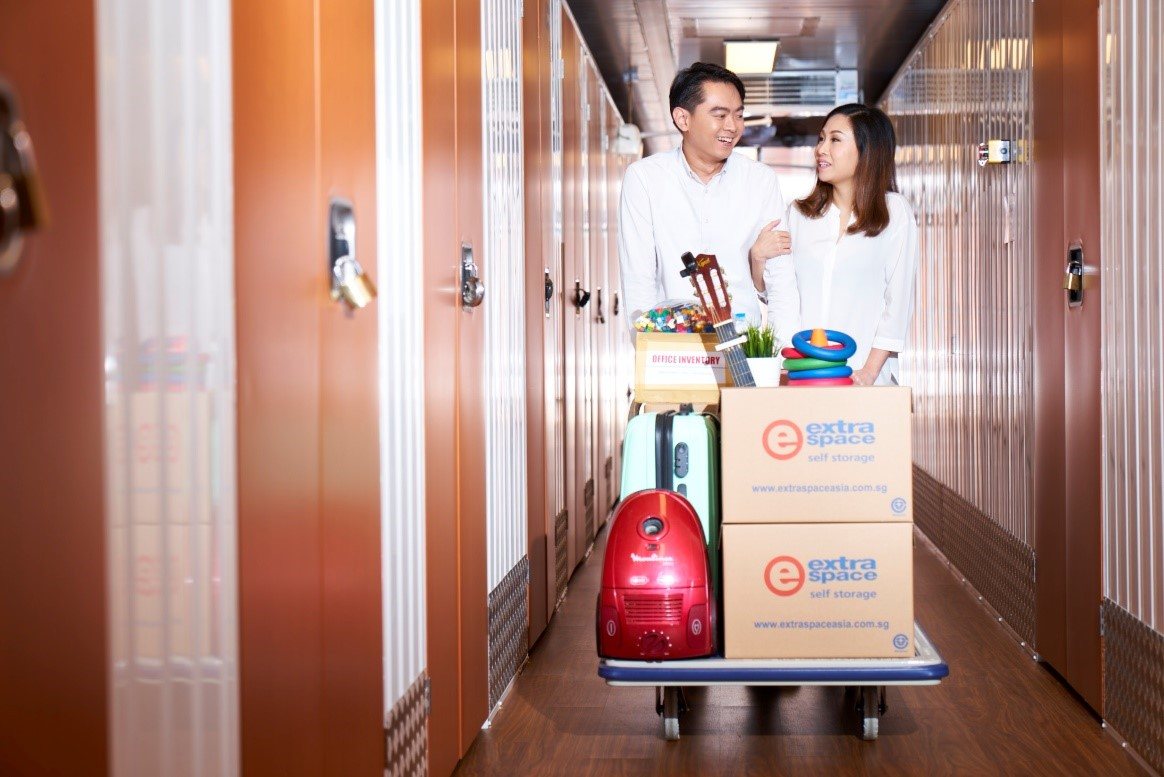
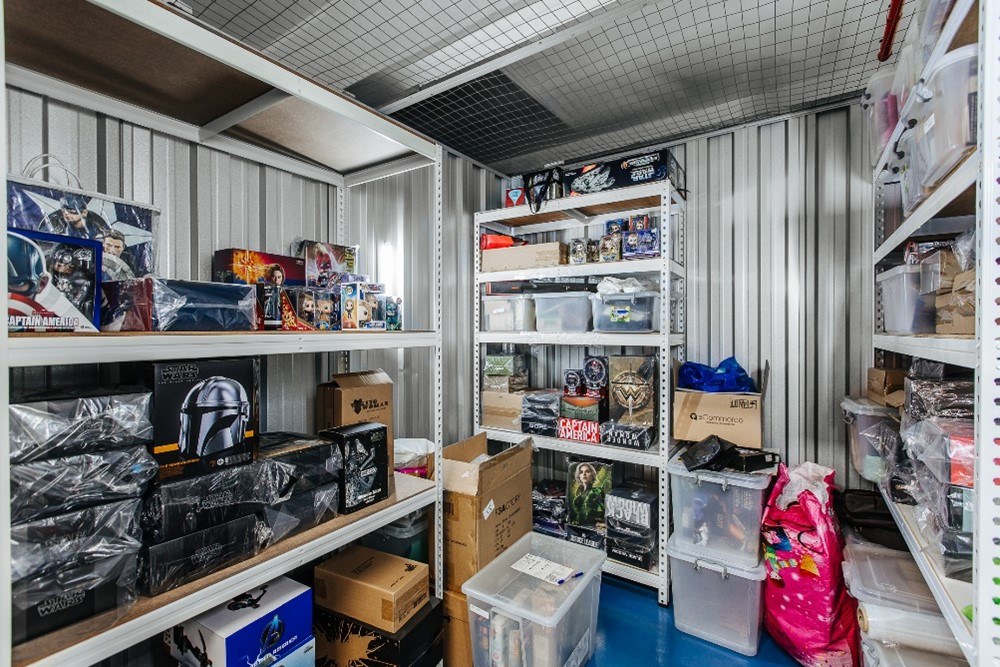
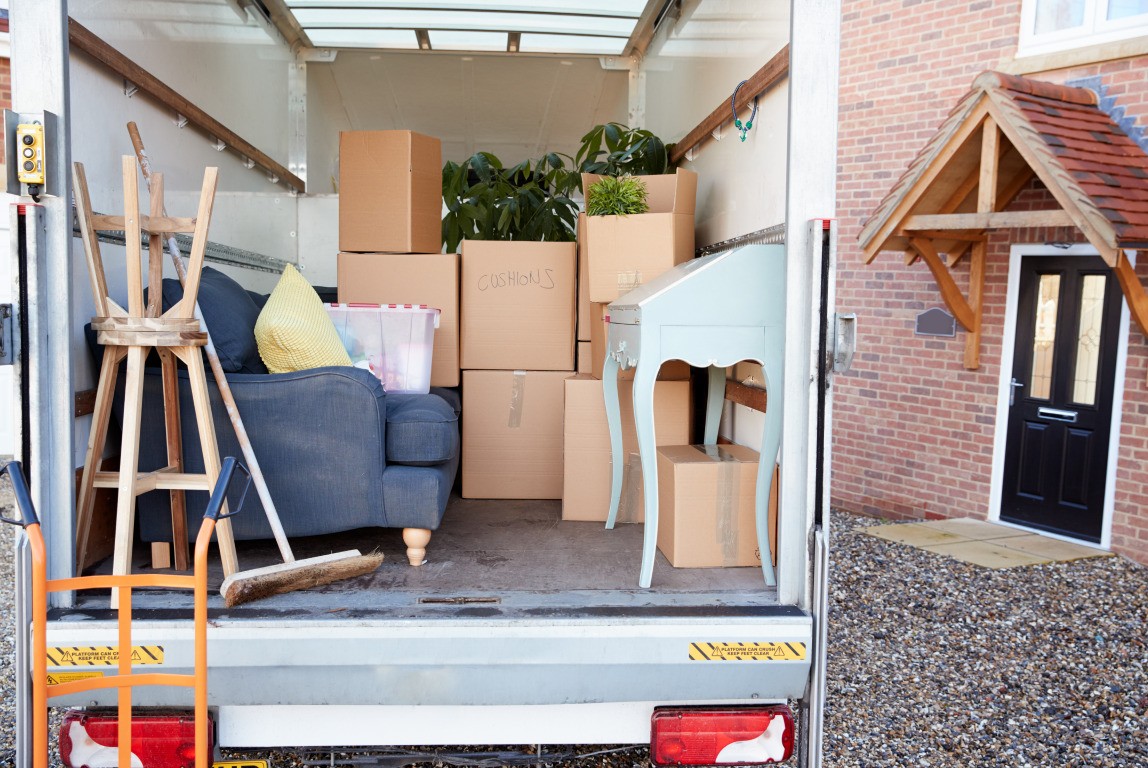
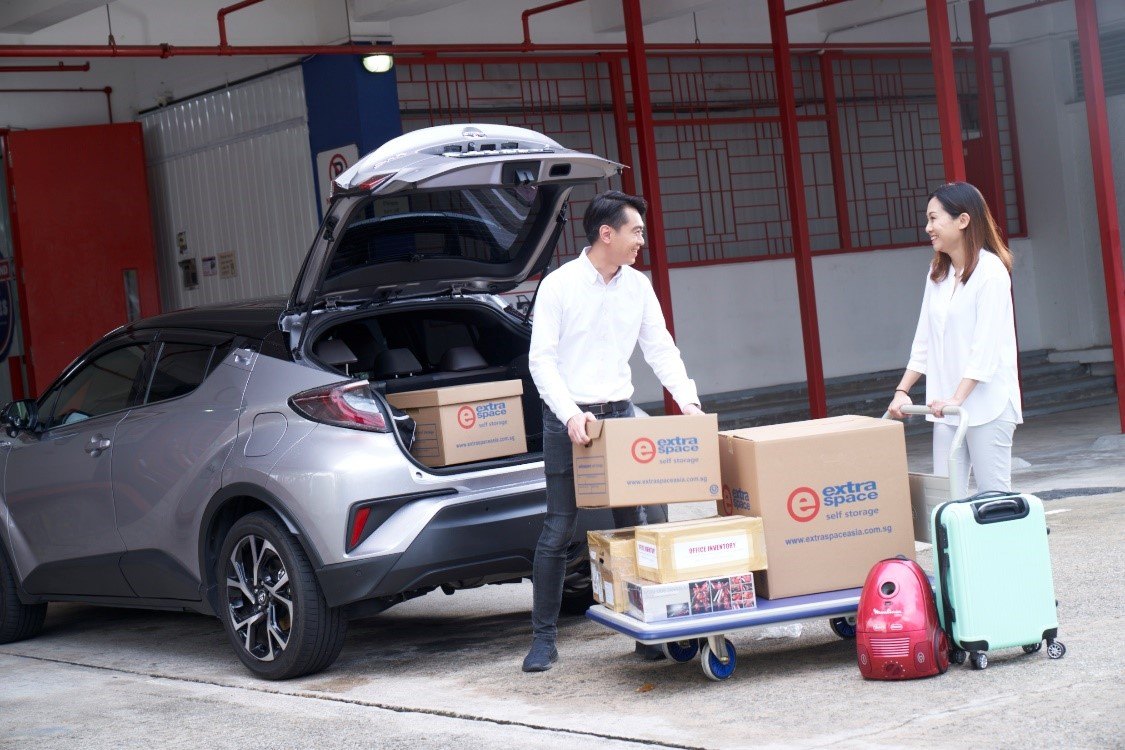
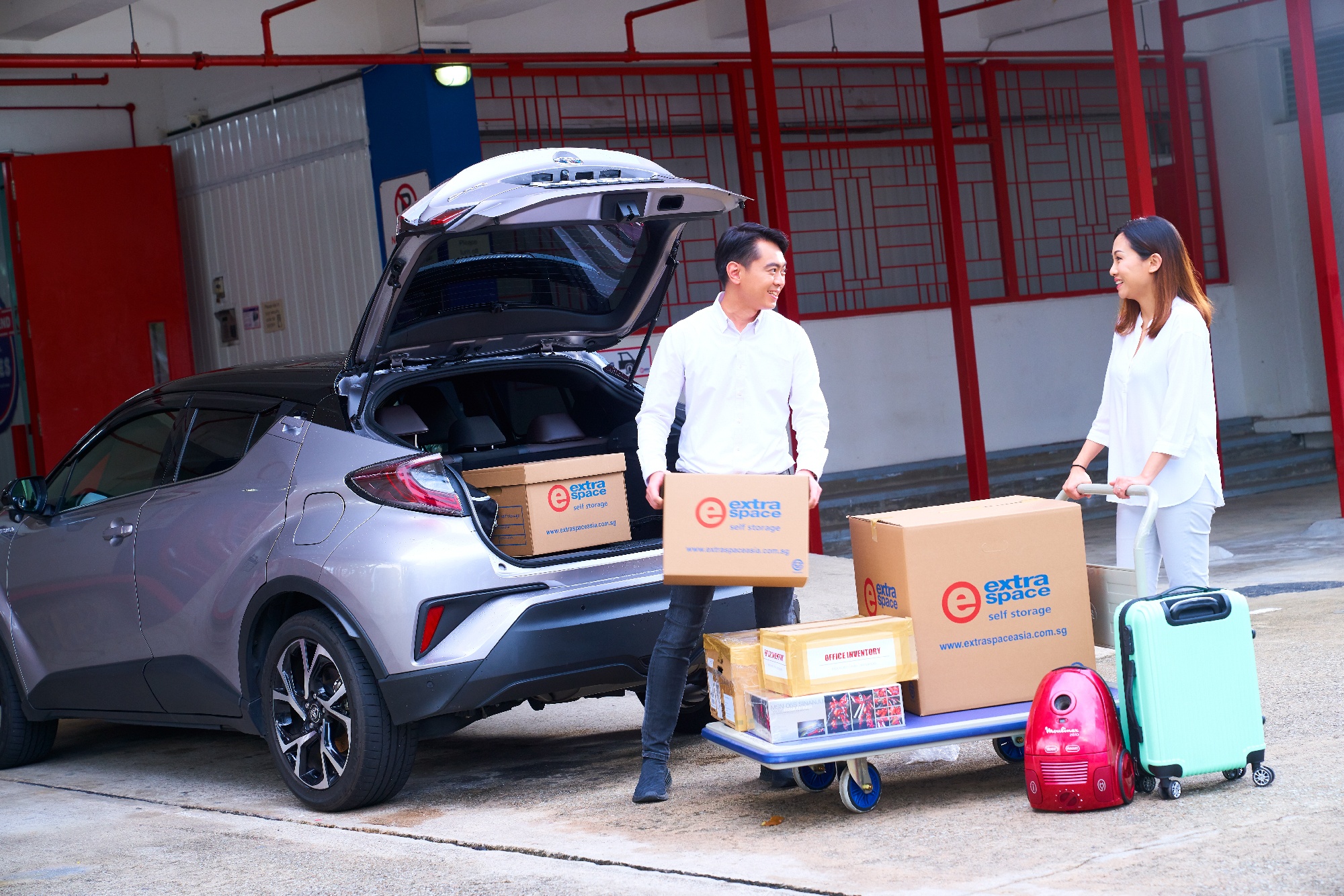
Staged transport can support that plan. You can use Extra Space Asia’s e-Move service to move non-essential items ahead of the main transfer, which leaves less activity for your pet to react to on moving day.
With the flat quieter and the pet route controlled, the final plan comes back to two simple jobs.
Plan the move around the animal and the records
A safer pet move starts with the animal’s physical setup and the address attached to its licence. The carrier needs to feel familiar before the day. The licence and microchip details need to point back to you. The new home needs to allow the animal, and one closed room needs to stay outside the loading route.
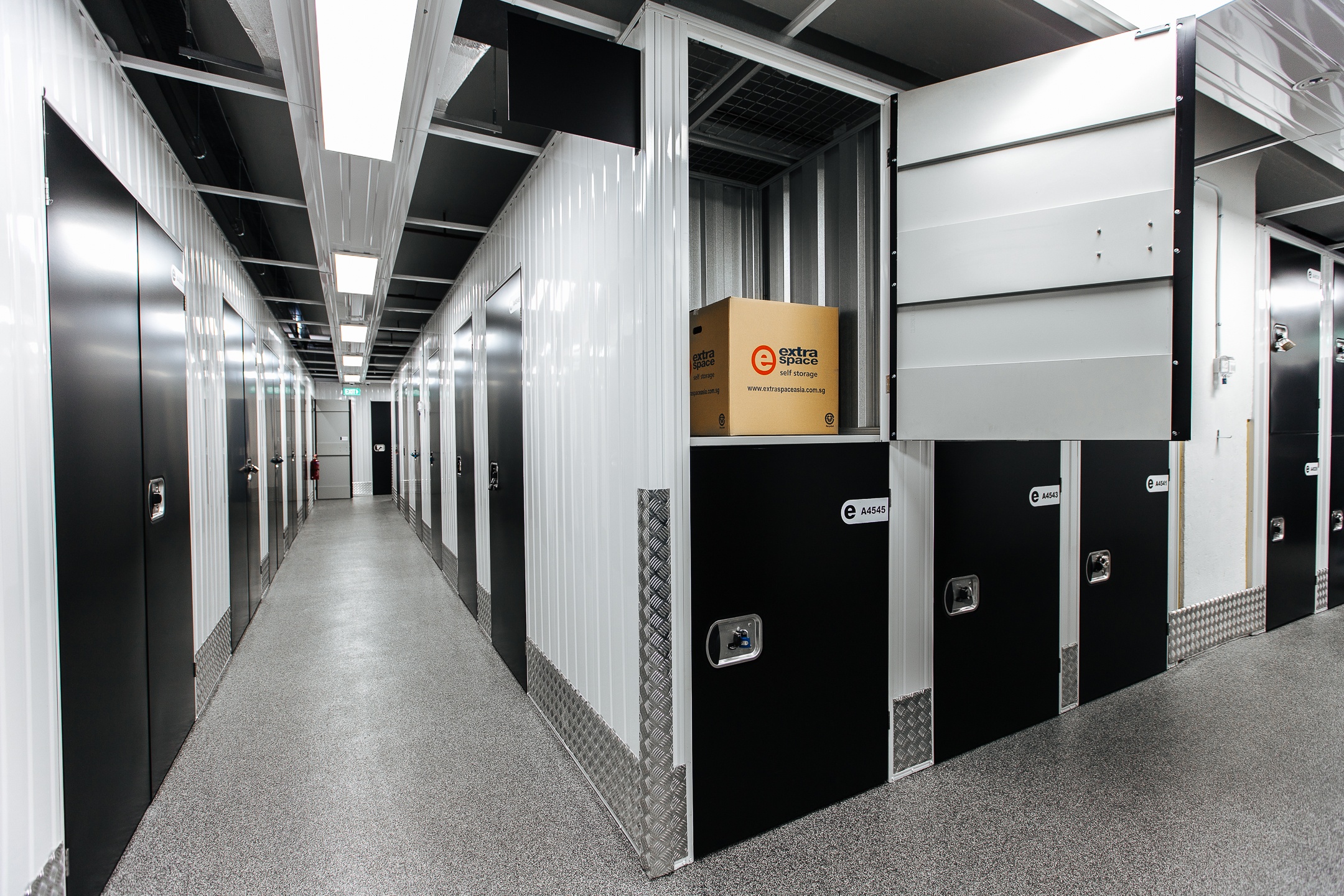
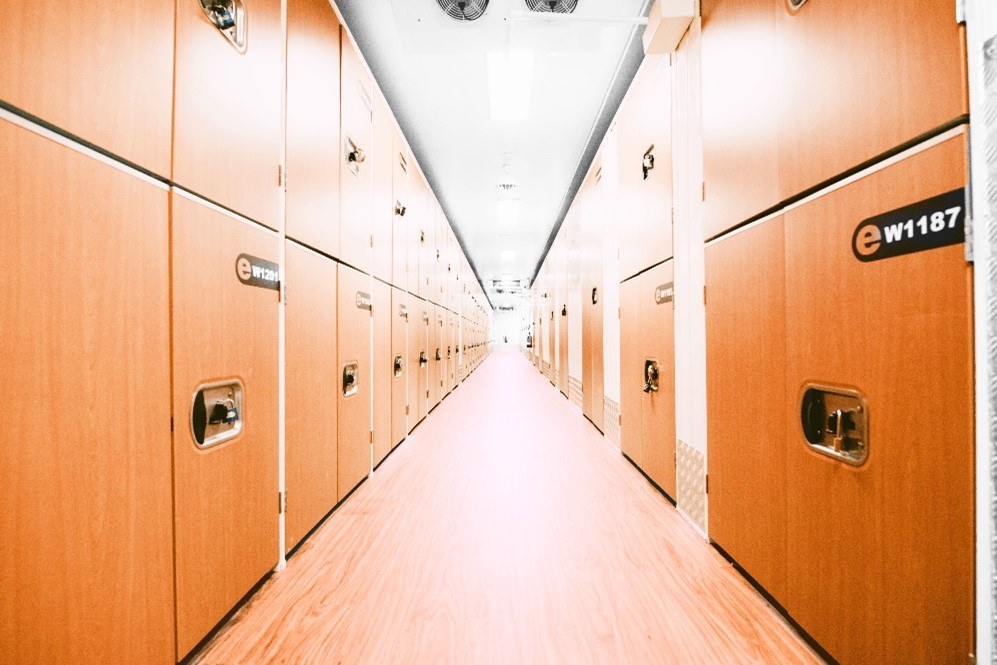
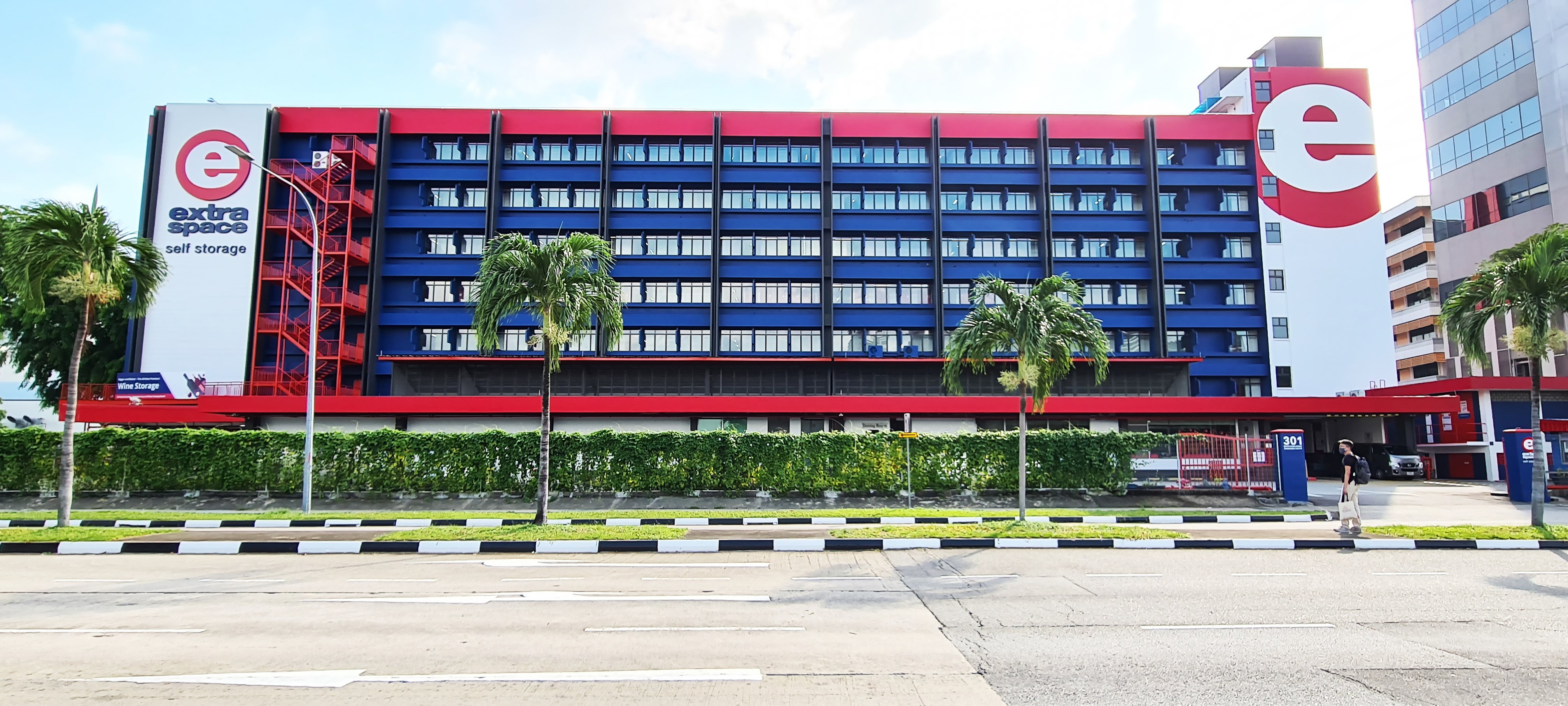
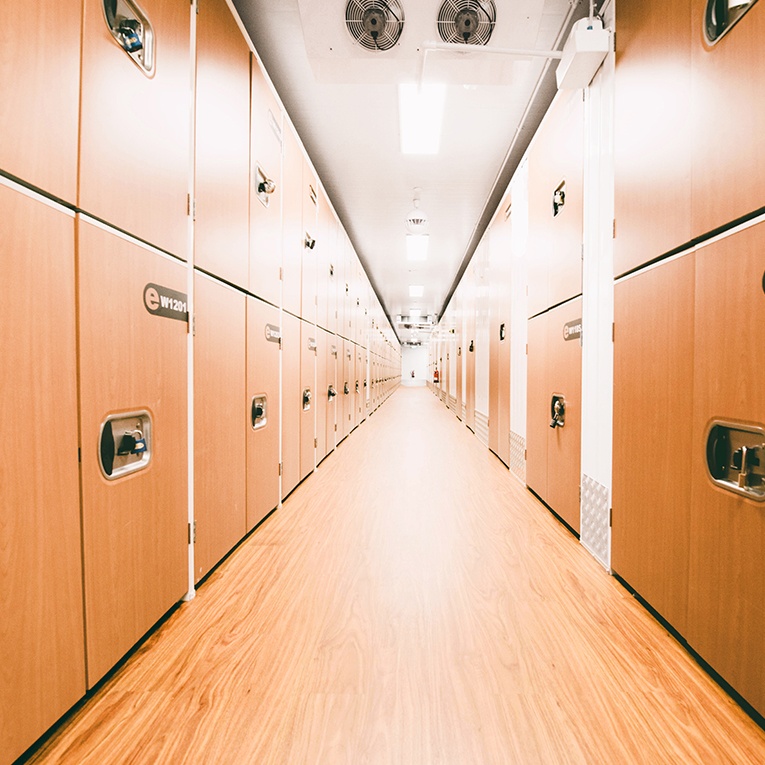
We can make the transport side easier to stage around that pet plan. Extra Space Asia has operated self-storage facilities in Singapore since 2007, with 24-hour access and e-Move for moving and transportation. The service can support a move where non-essential items leave earlier and the pet faces fewer trips past its closed room.
Put the carrier out this week and check the licence address, then plan moving day around one closed door. Extra Space Asia can support the transport and storage steps around that pet-first plan.
Frequently asked questions
Does a pet licence need updating after a move?
Yes. AVS requires the registered address to be updated when the place where a licensed cat or dog is kept changes, and its current guidance gives a 28-day period for reporting the change through PALS. Check the latest AVS instructions before you submit the update.
Should I keep my pet at home or somewhere else on moving day?
A calm pet can stay in one closed room away from the loading route if the door can remain controlled. Boarding, a friend’s home, or familiar daycare can be a better choice for a nervous animal, a long move, or a home with several pets.
How long does a pet take to settle after moving?
Many pets become more settled over several days or a few weeks as the new routine becomes familiar. Persistent behavioural changes should be discussed with a vet.
Do condominium pet rules differ from HDB rules?
They can. HDB rules set the position for HDB flats, while an MCST can make by-laws about pets within a private strata development. Confirm the development’s current rules before you commit to the property.
How can I reduce disruption for my pet during the move?
Keep the pet away from the loading route and reduce the number of trips past its closed room. Moving non-essential items ahead of the main day can shorten the period of repeated movement at the entrance.
Author bio
Established in 2007, Extra Space Asia has over 18 years of experience providing secure and flexible self-storage solutions across Asia. As a reputable regional storage provider, the company has earned industry recognition, including winning Singapore’s Favourite Self-Storage Brand from 2018 to 2026. Extra Space Asia continues to help individuals and businesses create more space with reliable, professionally managed storage solutions.