
Downsizing Your Home Without Giving Up Your Art Collection
Blog
October 2, 2026
AI summary
Downsizing with an art collection requires balancing limited display space with the desire to keep meaningful works. Start by measuring the usable wall space in the new home, then assign each piece an outcome: display, rotate, pass on, sell or store. A clear collection record helps track works as they move between the home, family members and storage.
Key takeaways
- Measure the usable wall space in the new home before deciding the future of any piece, including the space taken by windows, doors, built-ins, fixed installations and furniture.
- Sort each work into one of five outcomes: display, rotate, pass on, sell or store, so every piece has a defined place in the downsizing plan.
- Consider rotation before making permanent decisions, because part of the collection can stay off display and return to the walls at planned intervals.
- Create or update a record for each work before anything changes hands, with photographs and the information you already hold about the piece.
- Speak directly with family members before passing on artwork, because their available wall space and interest should guide the handover.
Those measurements turn the collection from an abstract space problem into a set of workable choices.
Measure the new wall space before deciding
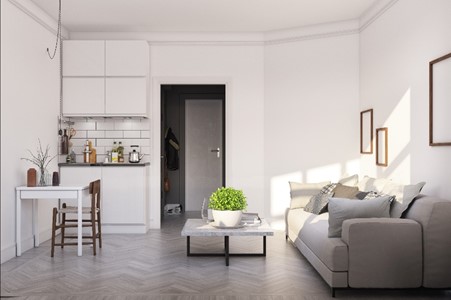
Measure the walls that can actually hold art. Start with the width and height of each usable section. Exclude windows, doors, built-ins, fixed wall installations and areas that furniture will cover.
Ceiling height matters too. A large vertical work that suited a taller room can dominate a shorter wall or leave too little clearance around nearby furniture. Record the available height before planning the new hang.
Use the new floor plan if you have one, then confirm the measurements in the finished space. Note which walls will hold sofas, cabinets, shelving or a television. The remaining sections give you the real display capacity.
Count those sections before matching individual works to them. A home with six apparent walls may offer only three or four practical display areas once openings and furniture are considered.
The number of pieces that fit is a fact to establish first. It gives you a limit before taste, attachment or habit enters the decision. Once you know that limit, you can sort the collection without forcing every work into permanent wall space.
That brings the five possible outcomes into focus.
Give every piece one of five outcomes
A downsizing plan becomes easier when every piece has more than two possible futures. Use five outcomes across the whole collection: display, rotate, pass on, sell or store.
- Display means the work earns a regular place in the new home.
- Rotate means the work stays in the collection and returns to display at planned intervals.
- Pass on means the work moves to a family member who wants it and has somewhere suitable for it.
- Sell means you choose a general sale route after gathering the records connected with the work.
- Store means the piece stays in the collection while it remains off the walls for a defined period or while a later decision stays open.
This framework removes pressure from the first sort. A piece can leave the wall and stay in the collection. Rotation and storage create room for decisions that can develop over time.
Start with the works you want to see most often.
Choose what earns wall space
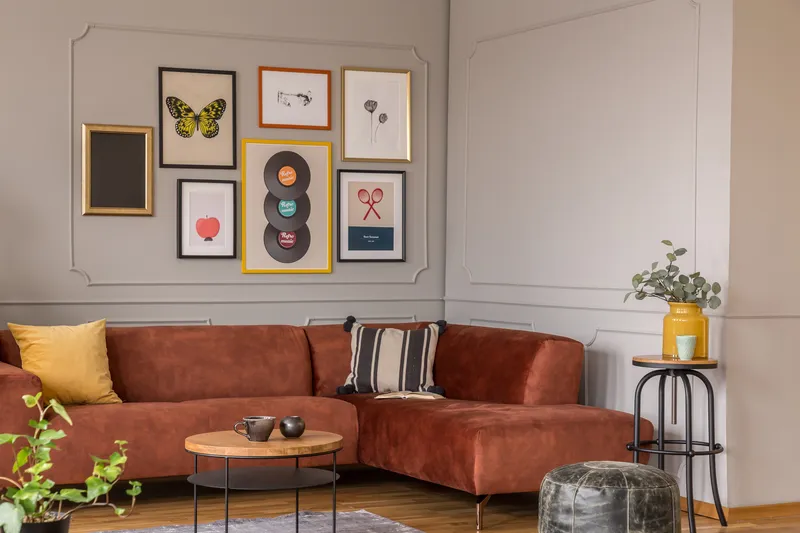
Use the new room as the reference point for each work. Measure the piece and compare it with the clear area around the proposed position.
Scale changes quickly in a smaller home. A wide canvas that felt balanced above a long sideboard may dominate a shorter wall. A group of small works may suit that same space more comfortably.
Think about what you actually look at. A work that has stayed on one wall for years may still be the piece you notice every day. Another may have become part of the background despite its prominent position.
Consider the view from the places where you spend time. Check sightlines from the sofa, dining table, hallway and main entrance. Daylight and interior lighting can also affect where a work reads best, so treat light as a positioning question when comparing walls.
Give regular display space to the works that fit both the room and the way you use it. The pieces outside that group still have several outcomes available.
Rotation gives those works regular wall time while keeping the display proportionate to the new home.
Use rotation to keep more of the collection active
Rotation means displaying one part of the collection while another part stays elsewhere. After a set interval, selected works come down and others take their place.
Museums use this practice as part of normal collection management. National Gallery Singapore documents artwork rotation in its long-term galleries, with works changing as displays are refreshed and collections develop.
The same idea can work at home on a smaller scale. Eight permanent positions can serve an eighteen-piece collection through rotation. You might display eight, hold ten elsewhere, then change part of the arrangement at an interval that suits you.
Rotation also gives a large piece another chance later. A work that feels too dominant in the living room may suit a different wall after you change furniture or reorganise the hang.
Keep the system simple. Record what is on display and where the remaining works are held. Choose an interval you can maintain, such as twice a year or once a year. Avoid a schedule that creates constant handling.
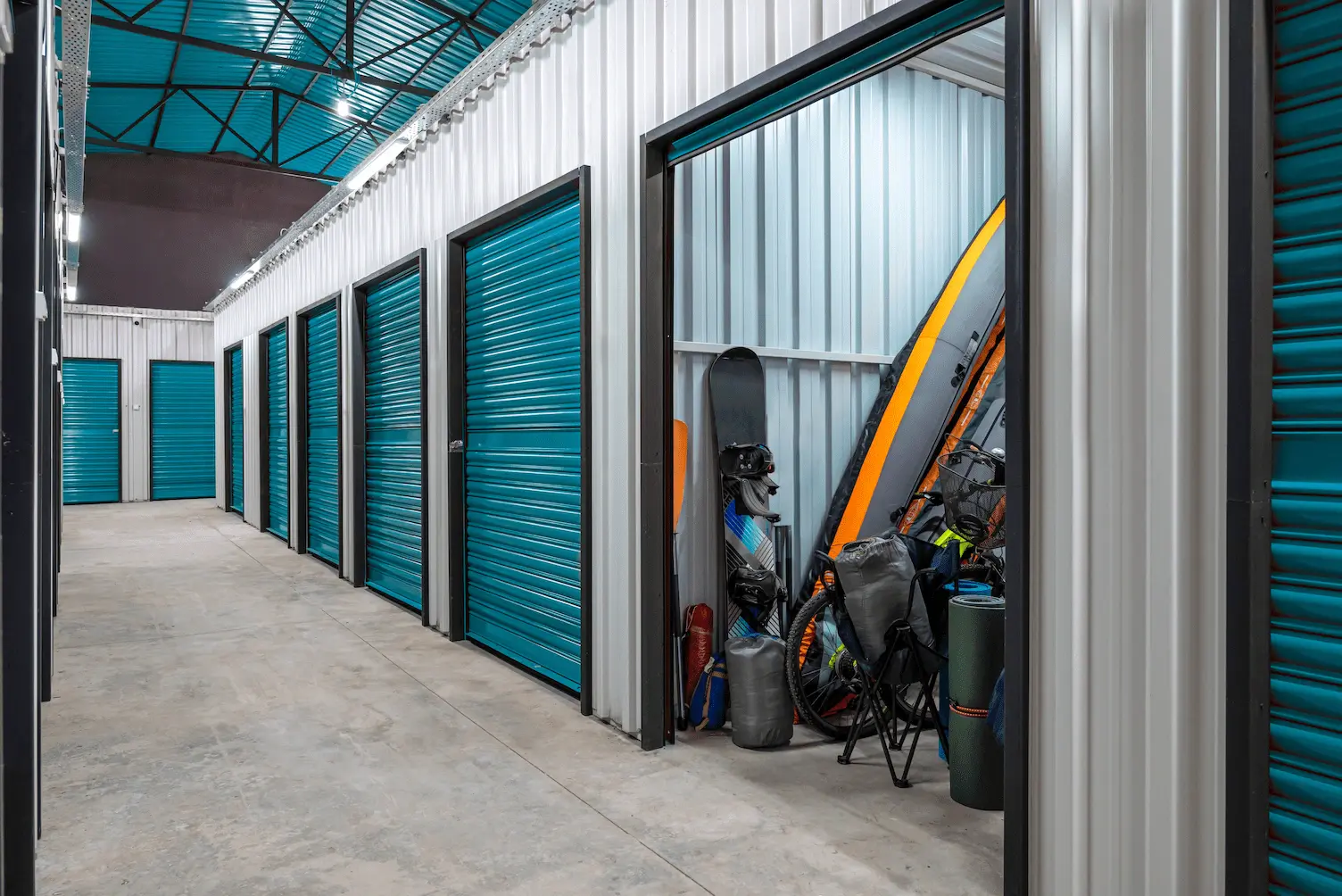
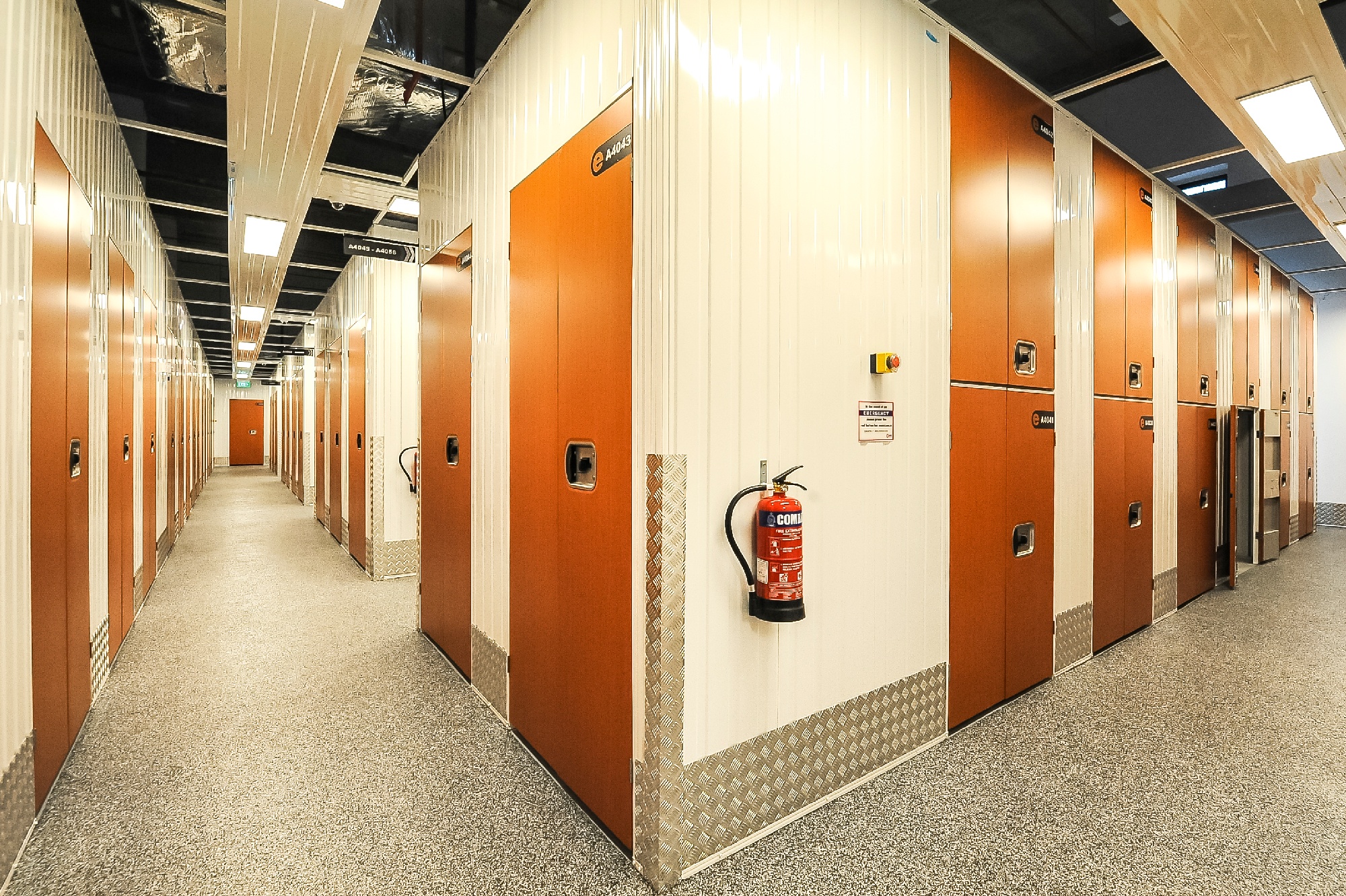
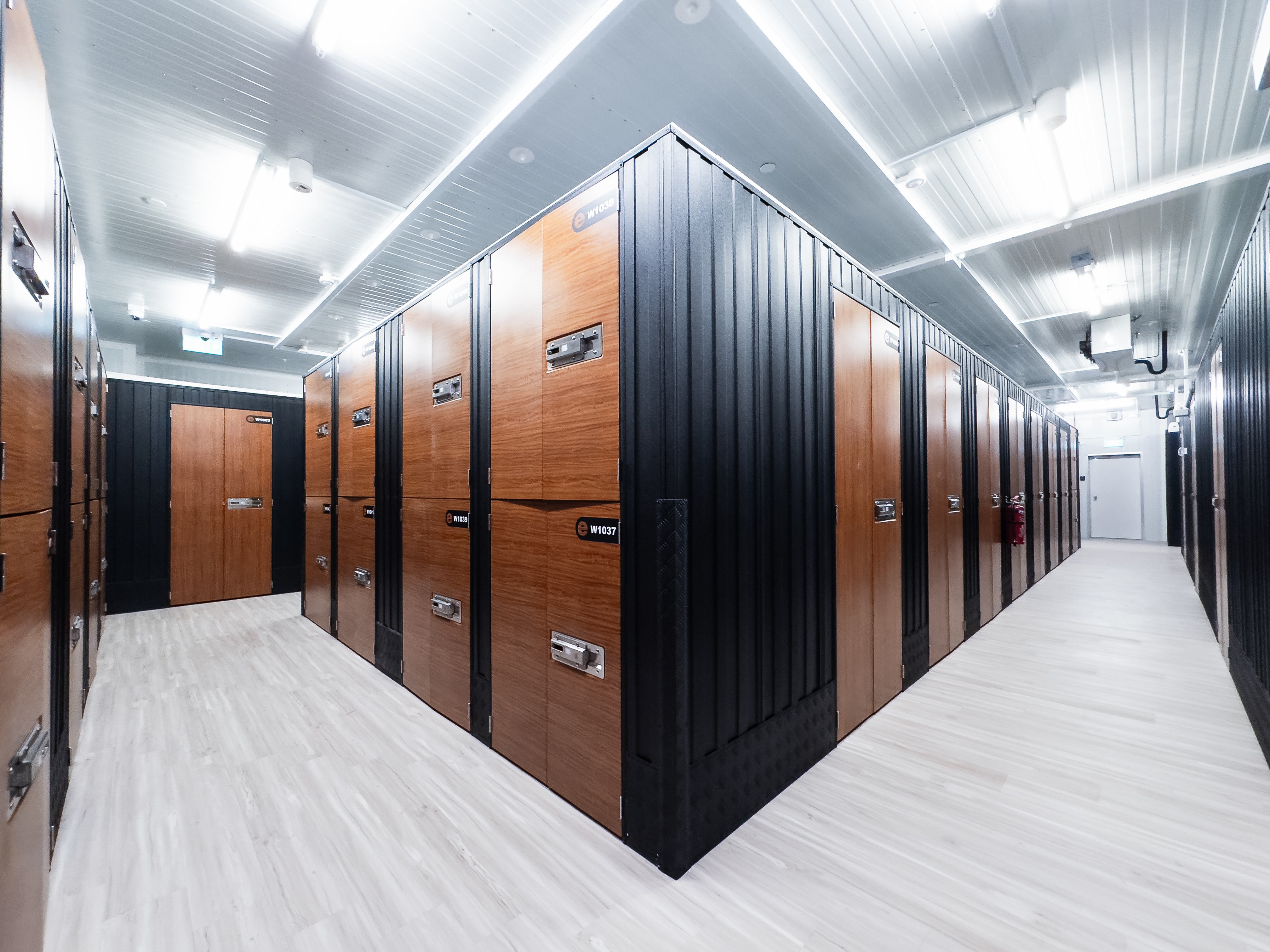
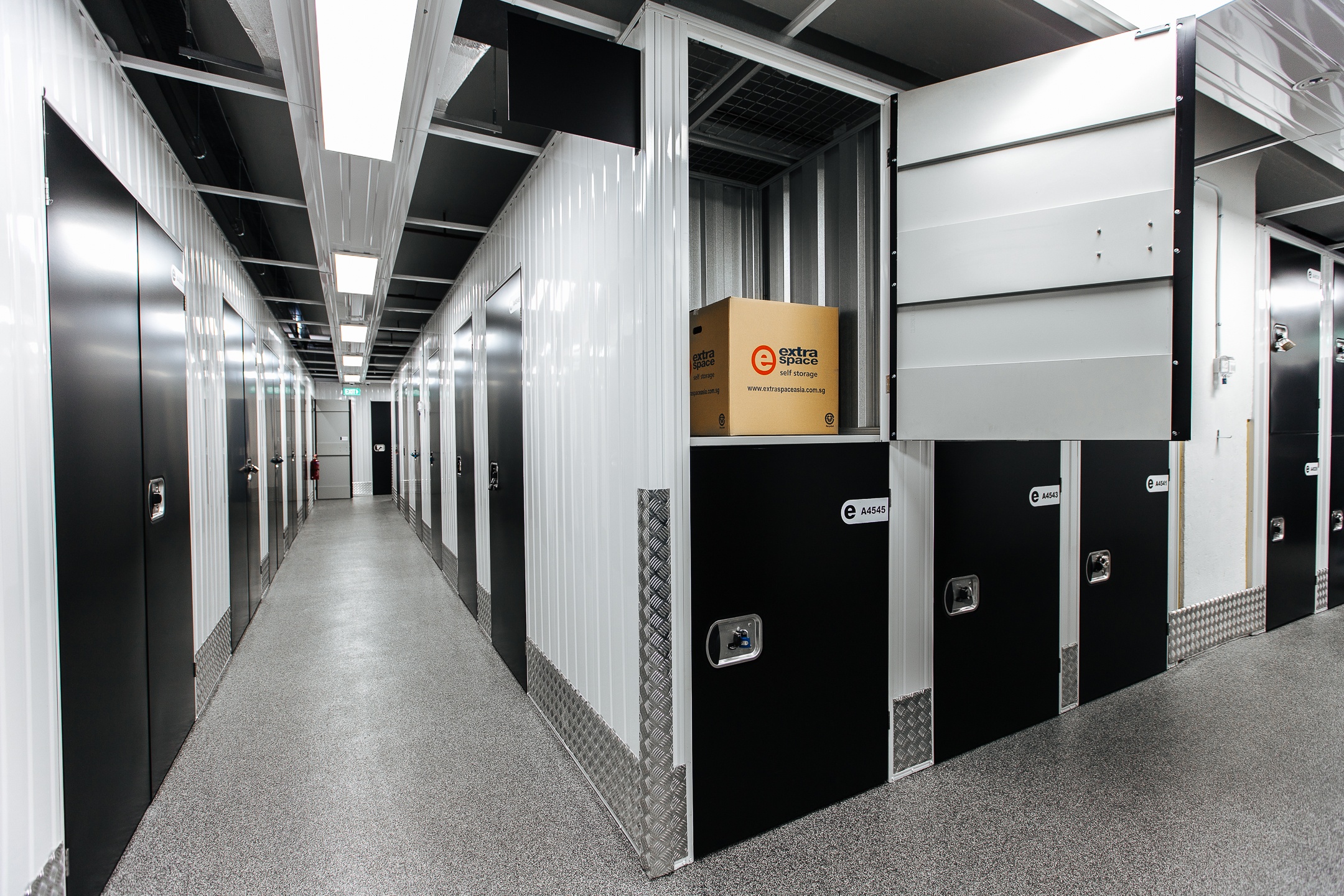
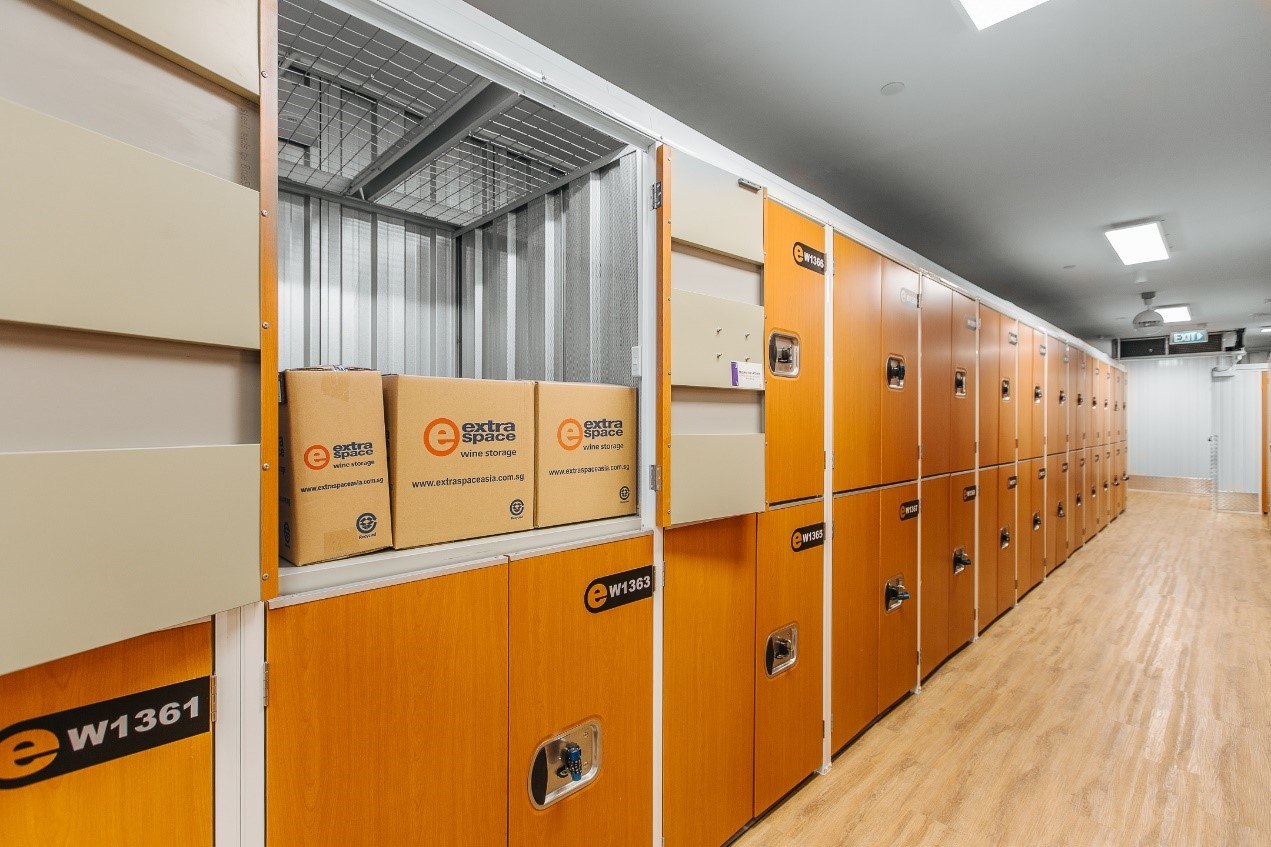
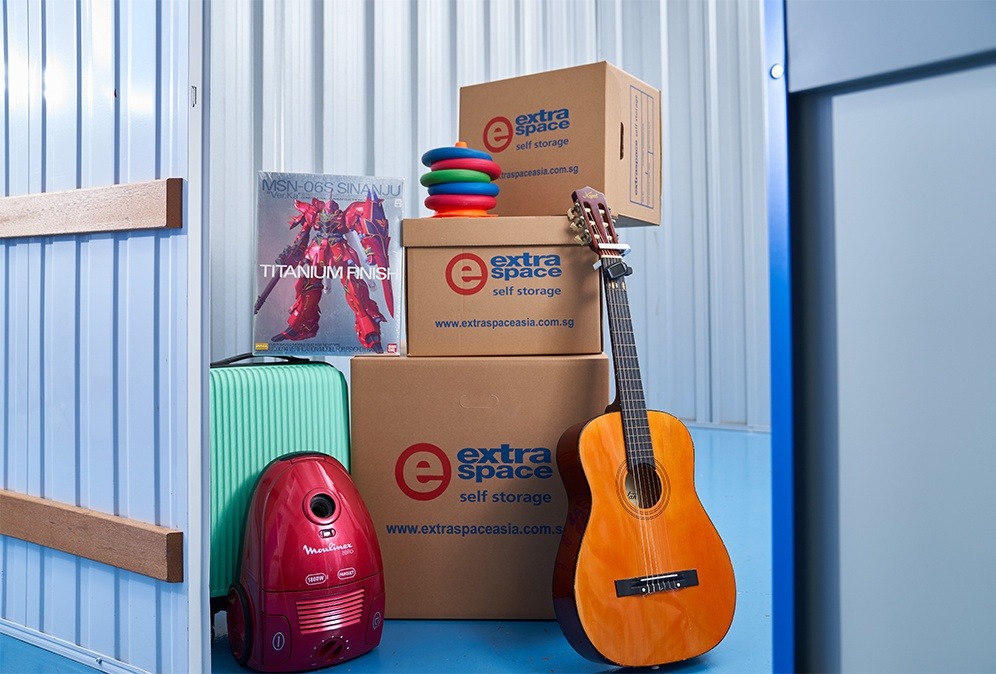
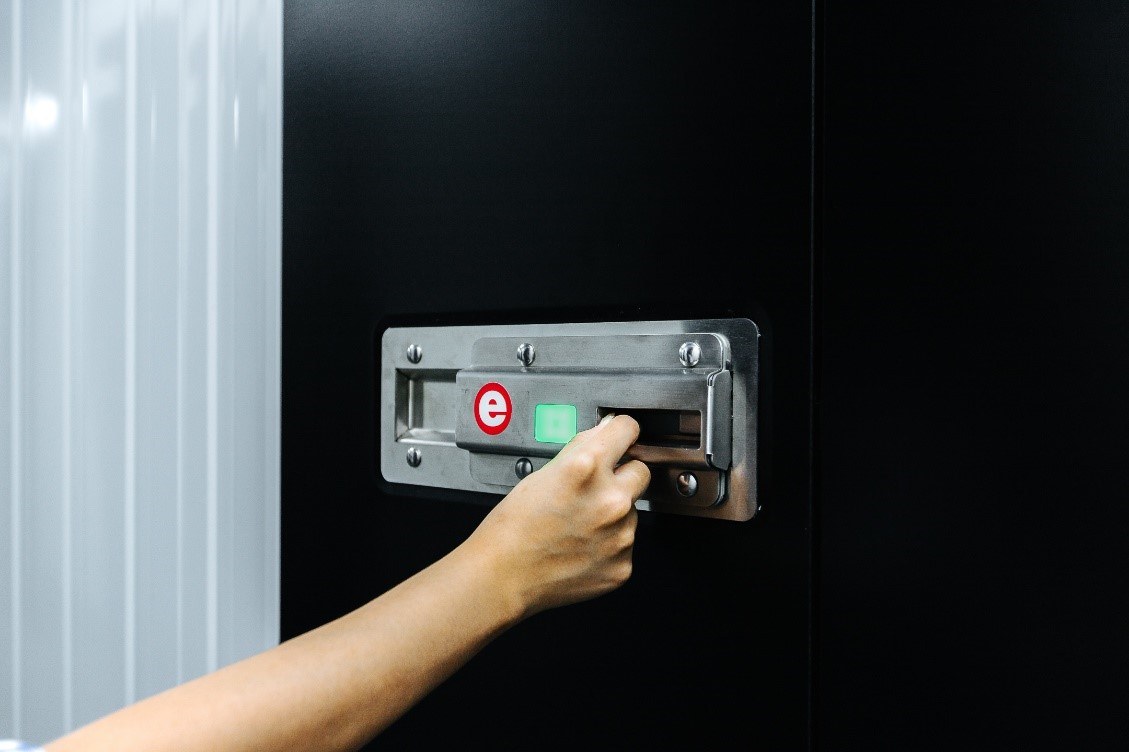
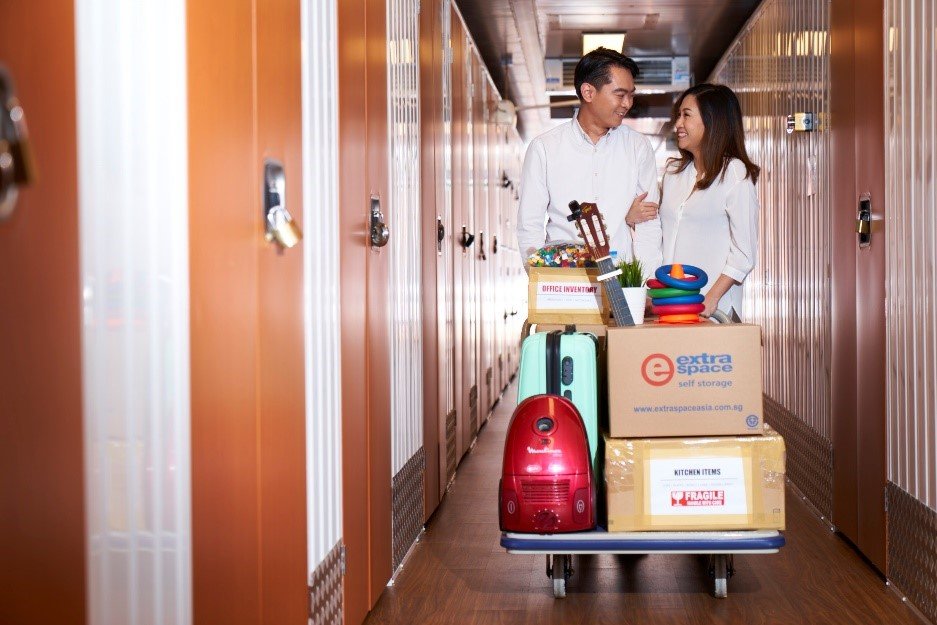
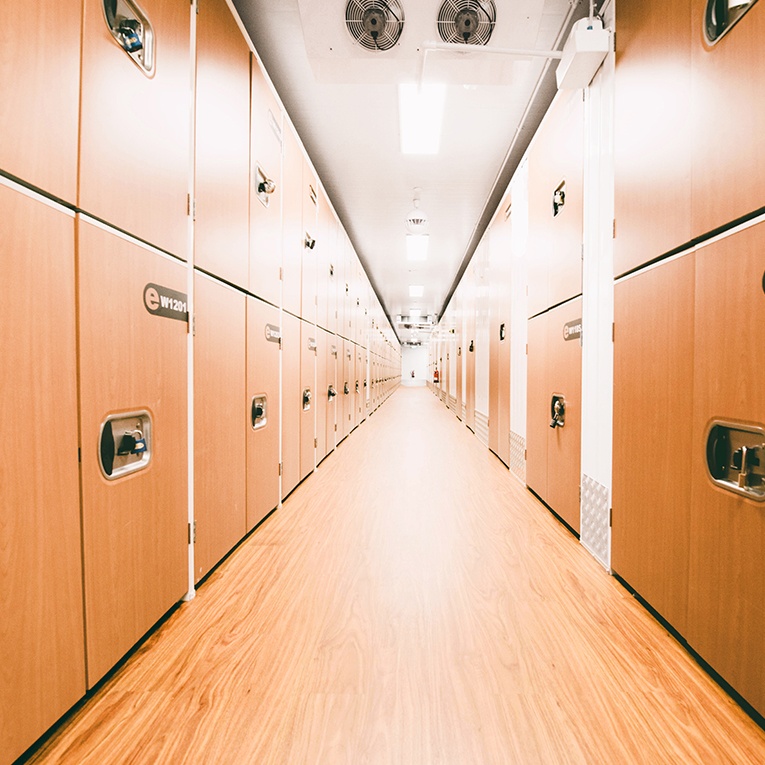
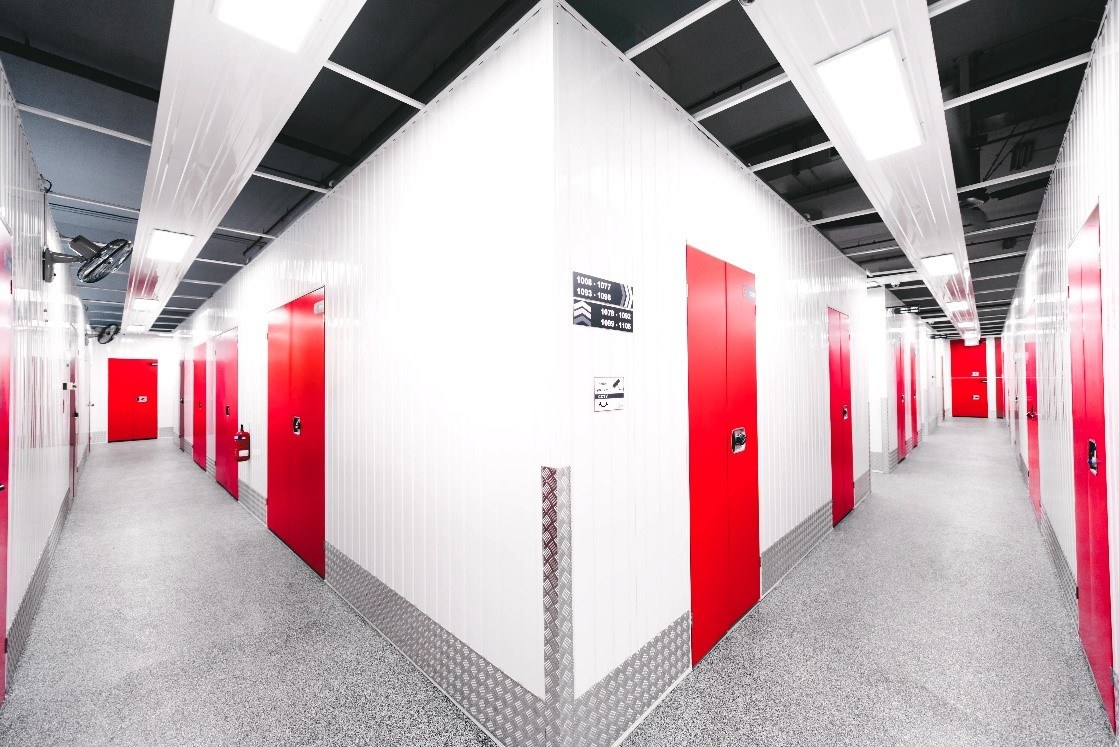
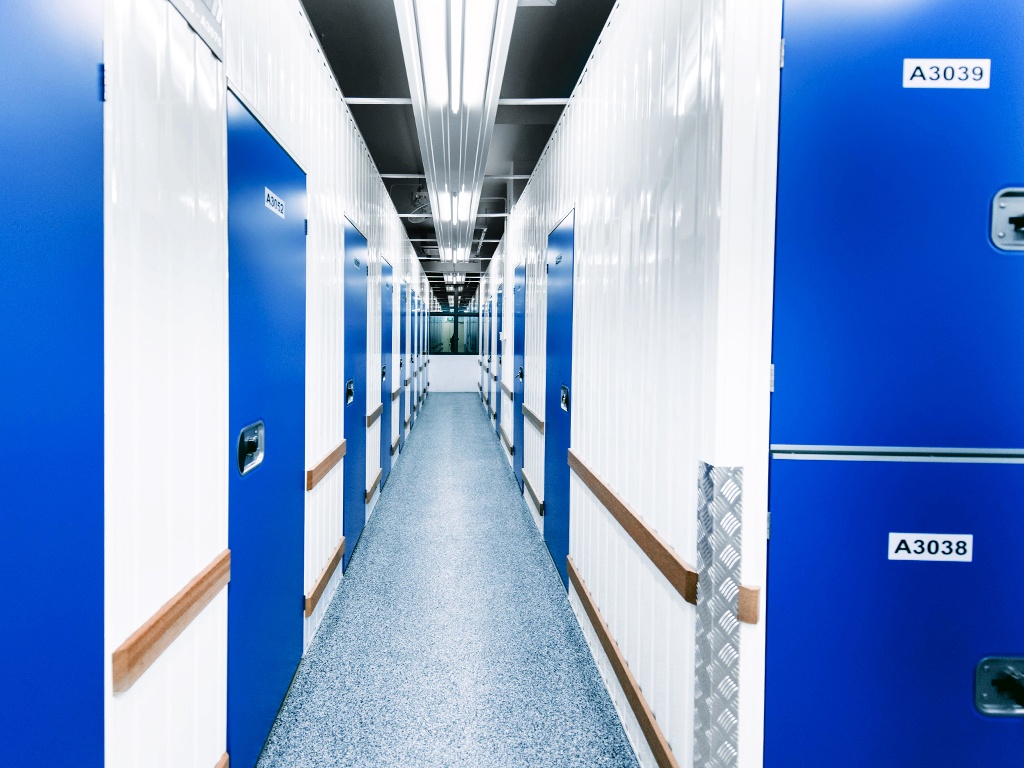
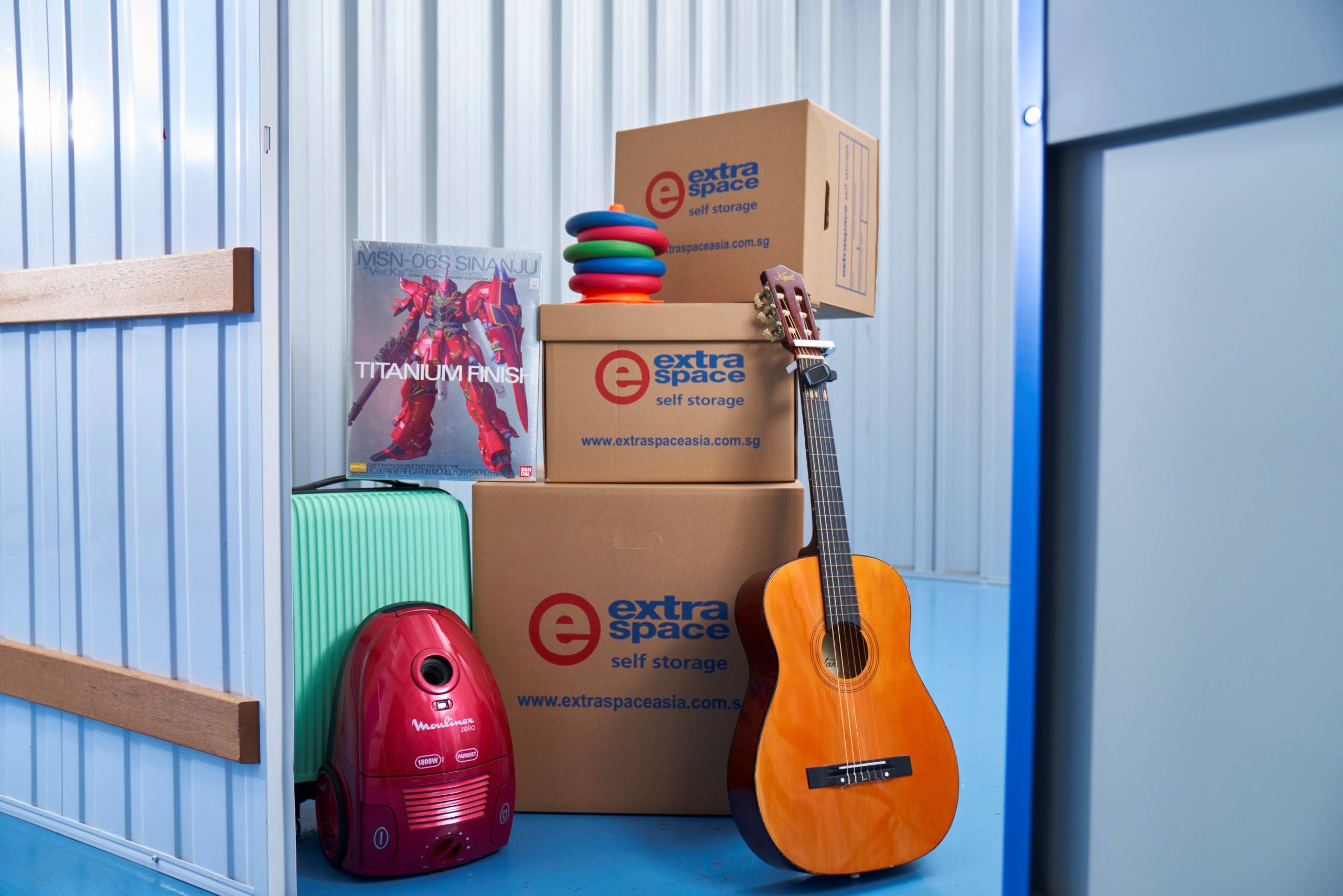
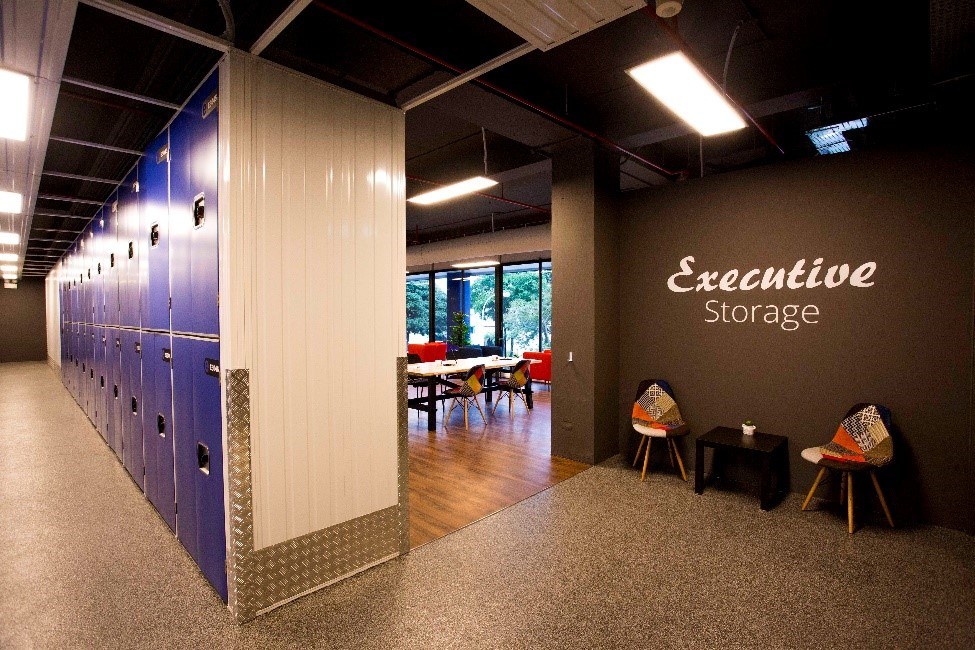
The off-display group also needs a defined location. For collectors looking for art storage Singapore options while downsizing, Extra Space Asia can support a rotation plan for works between display periods.
Rotation keeps the collection available without forcing a permanent decision on every piece. Once display and rotation are assigned, the next question is whether any works should move to family members.
Pass pieces to family through a conversation
A family handover works best when the recipient chooses the piece. Ask directly which works interest them and whether they have a wall or suitable place for the piece in their own home.
Space can be the limiting factor for them as well. A child who lives in a smaller flat may admire a large painting and still have nowhere practical to display it. An honest conversation keeps the decision tied to both interest and available space.
Share the information that belongs with the work. Include the artist’s name, provenance you already hold, purchase records and anything known about its history. Keep a copy in your own collection record after the piece changes hands.
Agree when the transfer will happen and update your record once it does. That keeps the location of the work clear while the rest of the collection is being sorted.
Some pieces will have no family destination, which brings the sale routes into the decision.
Consider selling or consigning selected works
Selling is one possible outcome for a piece you have decided to remove from the collection. Common routes include auction, dealer consignment and private sale.
Gather the documentation connected with the work before approaching any route. Artist details, purchase records, provenance and clear photographs help another party identify the piece and understand its history.
Keep the decision separate from assumptions about future price. The practical task here is to decide whether the work still belongs in your collection and whether you want to pursue a sale.
Record the date and route if a piece leaves the collection. That keeps your main inventory accurate as display, rotation and family handovers continue.
Pieces that stay in the collection still need a defined place when the walls are full.
Store the works that remain part of the collection
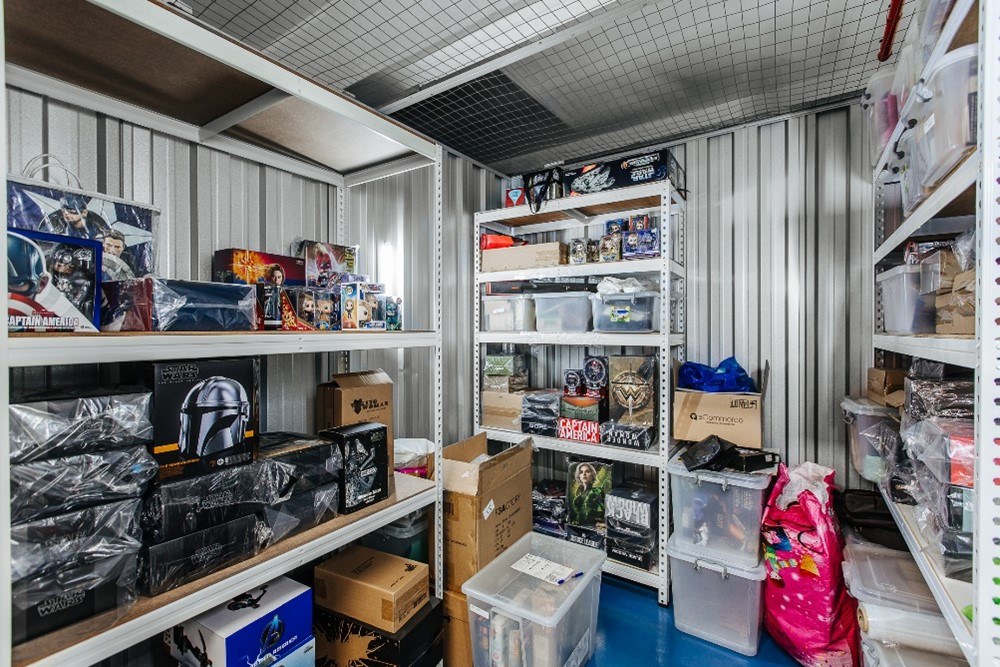
Storage gives you time to keep a piece without assigning it permanent wall space. It can support a regular rotation or hold a work while a longer-term decision stays open.
Those two uses need different planning. A rotation piece should be easy to identify in your records because you expect it to return to display. A piece held while you decide its future may have no planned return date yet.
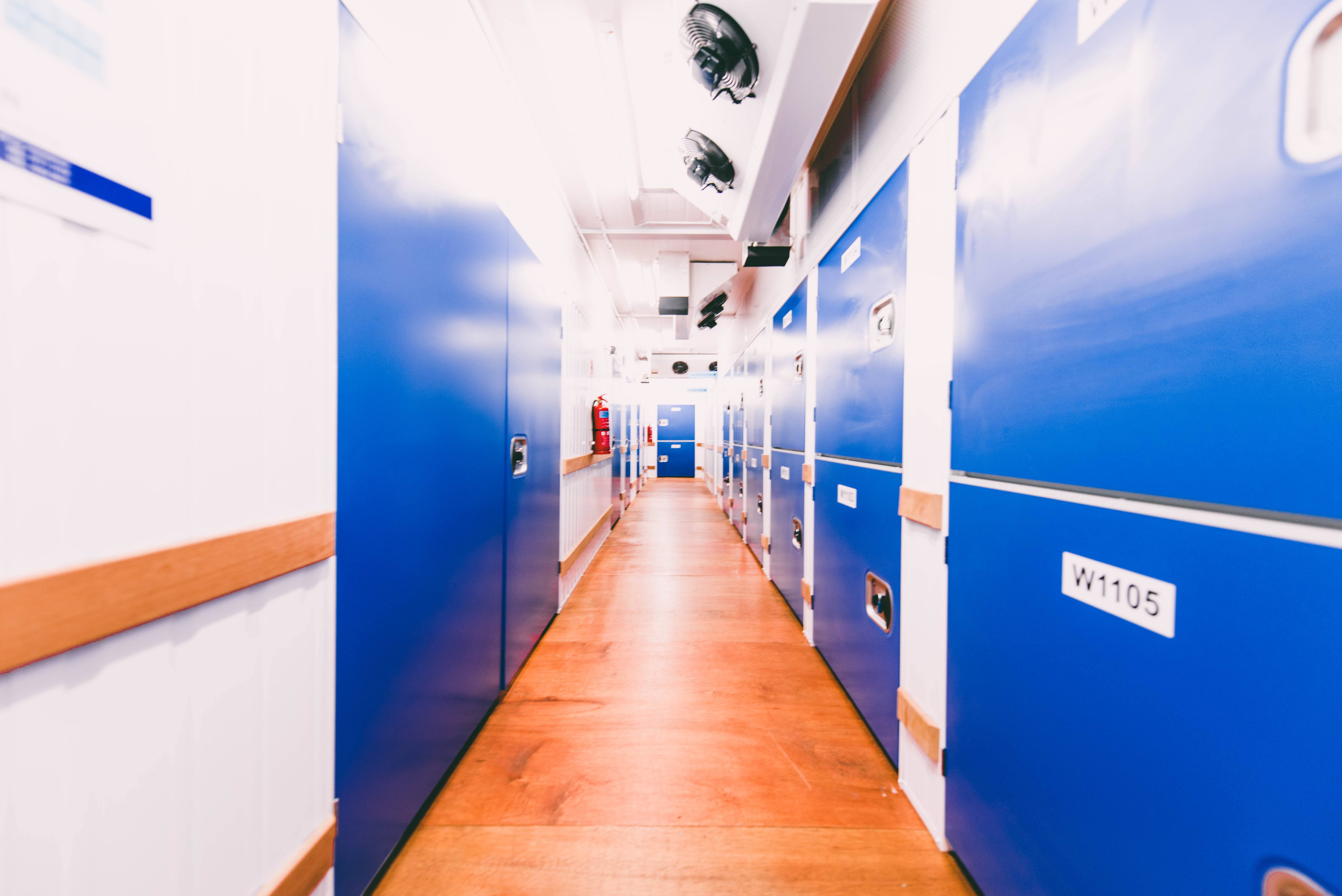
Before placing work with a provider, confirm how handover and return are arranged. Ask how the provider records individual pieces, how access works, which types and dimensions it accepts, and what terms apply to the period you expect to use.
Keep your own inventory as the main reference. Record which works are off-site and the date each one moved there. Add any reference number supplied at handover.
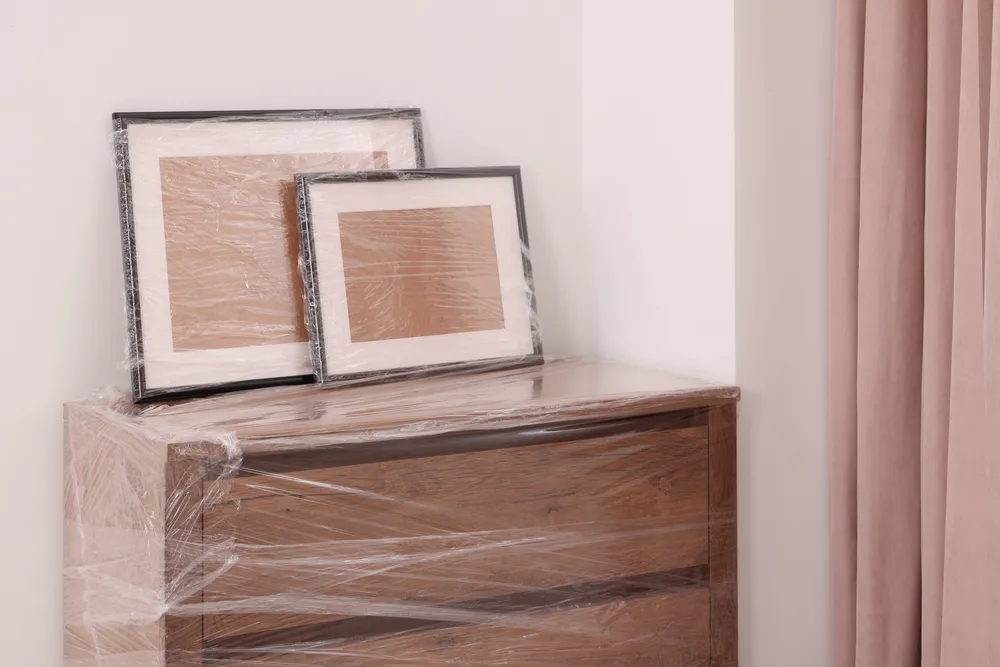
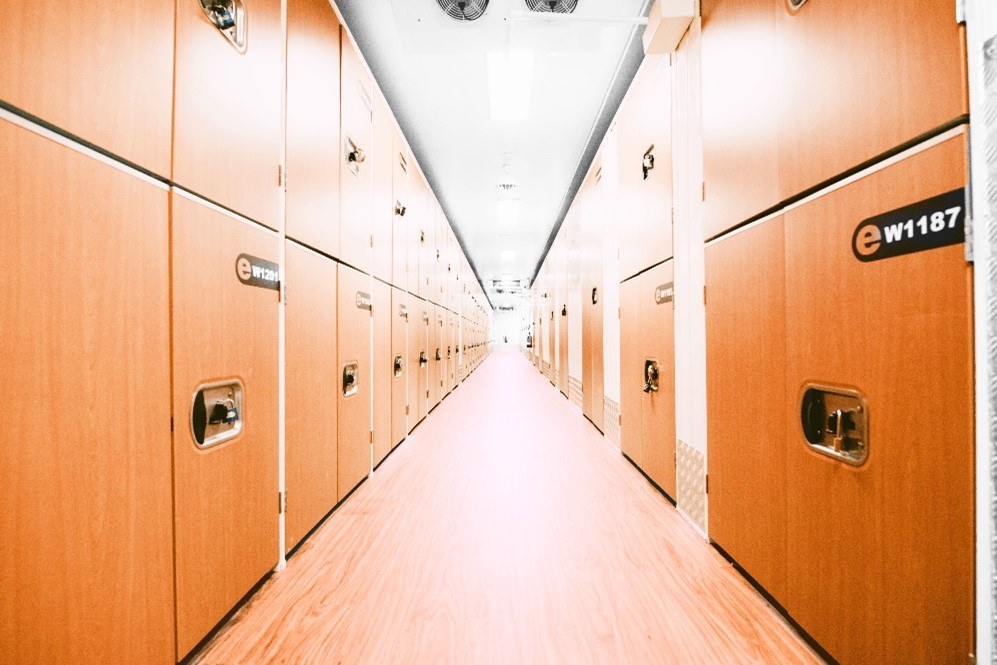
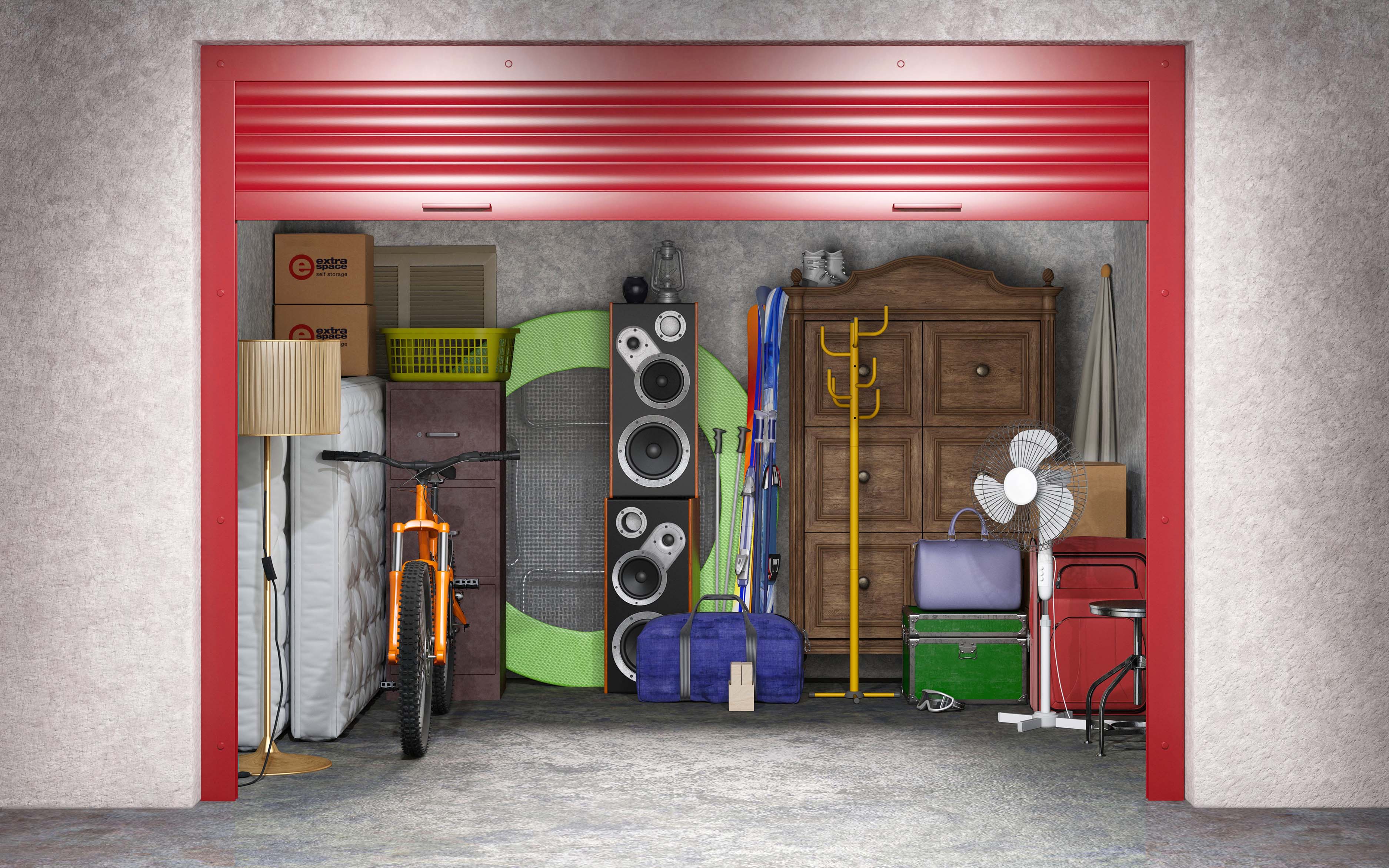
If some works remain part of the collection but no longer fit the available wall space, Extra Space Asia can provide fine art storage services in Singapore as a temporary option while you decide their next display arrangement. This removes the pressure to assign every piece a permanent wall immediately after downsizing.
A storage decision becomes much easier to manage when every piece can be found in one collection record.
Keep one record for the whole collection

Downsizing often puts a collection in several places. Some works may hang in the new home, some may rotate, some may sit with family, and others may remain in storage.
Keep one record that follows all of them. Give each piece a photograph and record its dimensions, artist, year, purchase details, current location and condition notes.
Update the location field every time a work moves. A simple note such as ‘living room’, ‘with Anna’ or ‘off-site storage’ can be enough if the rest of the record identifies the piece clearly.
Keep purchase records and provenance information connected to the same entry where possible. This prevents the paperwork from becoming separated from the work as pieces move to different locations.
The record is what allows display, rotation, family handovers and storage to operate as parts of one collection. With that system in place, the final decision is a practical count against the walls you actually have.
Make the new wall space work for the collection
A piece can come off the wall and remain part of your collection. Downsizing gives you five workable outcomes, so display space only has to be assigned to the pieces you want to see regularly.
Measure first. Choose the works that fit the new rooms and the way you use them. Rotate pieces that you want to keep active, speak directly with family about any handovers, and record every change of location.
Storage can hold the works that remain yours while another outcome stays open. Extra Space Asia can provide a temporary place for off-display artwork while you organise the collection around the new home.
Start with one concrete task. Measure the usable wall space in the new home and count the pieces you own, then sort each work into display, rotate, pass on, sell or store.
Frequently asked questions
How do I decide which pieces to display after downsizing?
Start with the usable wall measurements and compare each work with the scale of the new room. Give regular display space to pieces that fit physically and that you still want to see often.
What does rotating an art collection involve?
Rotation means displaying part of the collection for a period and keeping the remainder elsewhere. Keep a record of what is on display and choose an interval that makes the changes practical for you.
How should I ask family members about taking a piece?
Ask whether they actually want the work and whether they have space for it. Share the artist details, provenance, purchase records and known history with any piece that changes hands.
Does artwork in storage still need a collection record?
Yes. Record its photograph, dimensions, artist, year, current location and condition notes so it stays connected to the rest of the collection.
How long can artwork stay in storage while I decide?
The period can match the purpose you have assigned to the piece. A rotation work may have a planned return date, while another piece can remain stored while you decide whether to display, pass on or sell it.
Should I insure artwork during storage?
Yes, especially for pieces with significant monetary or sentimental value. Obtain current valuations from qualified appraisers for insurance purposes. Extra Space Asia offers optional storage insurance. Ask about coverage limits, exclusions and premiums when booking. Keep photographic records and condition reports for all stored works before handover.
Author bio
Established in 2007, Extra Space Asia has over 18 years of experience providing secure and flexible self-storage solutions across Asia. As a trusted regional storage provider, the company has earned industry recognition for years.
The company was awarded Singapore’s Favourite Self-Storage Brand from 2018 to 2026. Extra Space Asia continues to help individuals and businesses create more space with reliable, professionally managed storage solutions.