
When Should a Home-Based Business Move Into a Private Office?
Blog
October 2, 2026
AI summary
A home-based business may need a private office space in Singapore when team growth, client meetings, stock, equipment or address requirements begin limiting daily operations. Assess which part of the business has outgrown the home setup, then choose the right next step, whether that means a meeting space, shared workspace, storage solution or dedicated office.
Key takeaways
- A home-based business usually outgrows its setup through team growth, client-facing work, physical volume, blurred boundaries or changing credibility requirements.
- Singapore’s residential business schemes set conditions that can determine whether an activity can continue at home.
- Regular client meetings often change the decision early because the home becomes part of the visitor experience.
- Stock, equipment and records can outgrow residential space before the team itself needs more room.
- A shared desk, bookable meeting room or separate storage can bridge the gap before a dedicated office makes sense.
Before you weigh those options, check whether the current residential setup still fits the rules that apply to it.
Check the residential business conditions first
Singapore allows certain small-scale business activities to operate from residential properties, but the conditions depend on the property and the type of activity. That makes the regulatory position the first threshold to check before comfort or convenience enters the discussion.
The Housing & Development Board (HDB) sets conditions for business activity in HDB flats, covering who may conduct the business, the nature of permitted office activity, the effect on neighbours and whether clients or customers may visit the flat. HDB also states that the flat must continue to be used as a residence.
Private residential properties fall under the Urban Redevelopment Authority (URA). URA explains that small-scale residential business activity can fall under its Home Office Scheme or Home-Based Business Scheme, with different conditions for each. The current URA scheme conditions set out which route applies to a private home.
More people, more traffic, more stock or a different activity can push an operation beyond the relevant conditions. URA states that businesses under its Home-Based Business Scheme must cease the home-based activity or relocate when their operations fall outside the scheme’s criteria.
Treat those rules as operating constraints that sit apart from personal preference. HDB and URA should be your sources for the current conditions that apply to your property and activity. Once that position is clear, the five practical signs become easier to read.
Five signs that the home setup is reaching its limit
Growth rarely arrives as one dramatic moment. You may still be able to answer emails at the same desk while other parts of the operation have already become awkward.
The five signs are team growth, regular client-facing work, physical volume, blurred home and work boundaries, and changing credibility requirements. Each tests a different part of the setup, and each carries a different weight.
A crowded room can be inconvenient without forcing a move. A business activity that no longer fits the relevant residential conditions carries far more weight. Client visits may become the deciding factor for one company, while stock volume may do it for another.
Looking at the signs separately helps you avoid taking a larger step than the business needs. Team growth is usually the first place to start because another person changes how a home has to function during working hours.
Sign 1: The team no longer fits naturally into the home
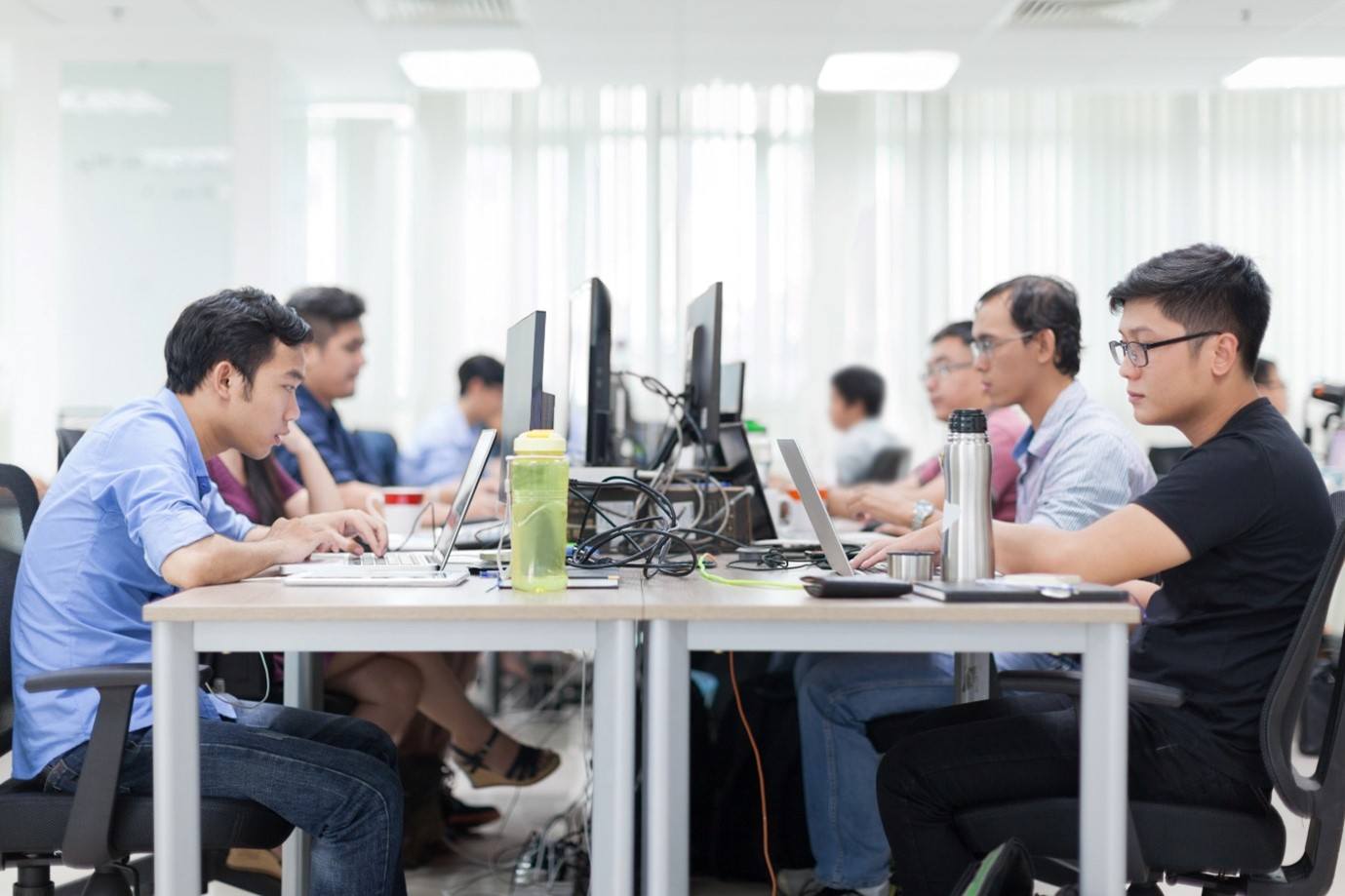
The first hire can often work around the founder. By the third regular worker, calls and meetings often compete for the same rooms as equipment. Several people also need somewhere to speak without competing for the same quiet corner.
The problem appears in ordinary tasks. Someone takes a call in the living room while another person needs a quiet conversation. A meeting moves because a household member needs the same space. Equipment gets packed away at the end of the day and brought back out the next morning.
Team growth also brings the residential scheme conditions back into view. HDB and URA rules can limit the role of non-resident workers at home depending on the scheme. Treat each extra hire as an operational question and check the current rules for your property.
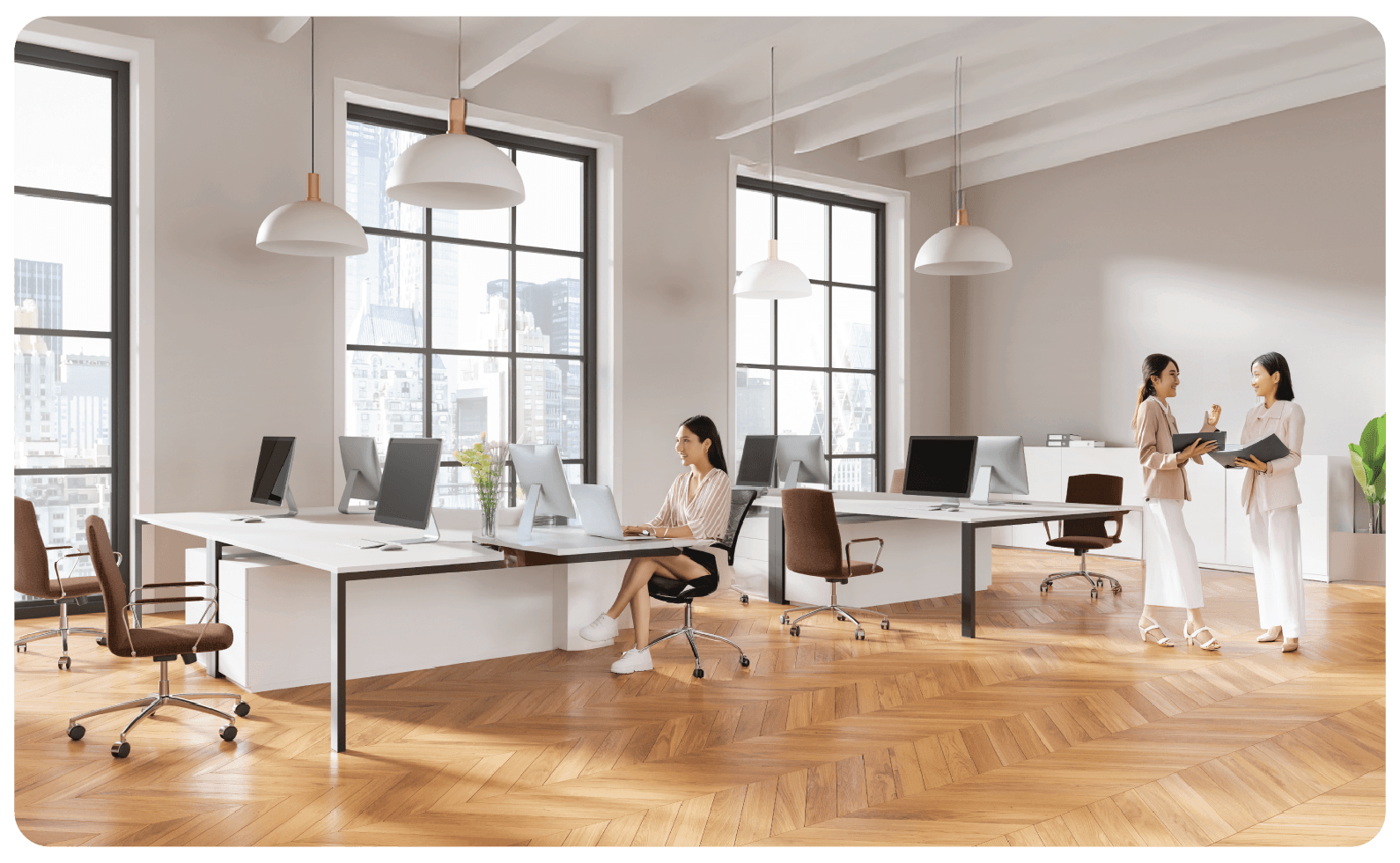
A dedicated office is still only one possible response. If people rarely need to work together in one place, a shared desk arrangement can provide occasional work space without changing the entire operating base. The case for an office becomes stronger when the team regularly needs a common place to work, meet or handle business materials.
That pressure becomes easier to spot once people outside the company start arriving, because client-facing work puts the home itself into the operating process.
Sign 2: Client visits have become part of the working week
A client arriving at a residential block has to work through the practicalities of that building. Visitor registration, security access, lifts and parking can all become part of a meeting that was supposed to be about the business.
Frequency changes the calculation. One occasional coffee meeting is easy to arrange elsewhere. A recurring stream of client meetings creates a persistent need for a place where both sides can arrive, sit down and work without involving the household.
For some businesses, the issue is not only space but creating a consistent environment where customers, partners and employees can interact professionally. A dedicated setting can help separate business activity from the home while supporting a more structured way of working.
The applicable residential scheme matters here too. HDB’s Home Office Scheme conditions bar clients or customers from visiting the flat for business activity under that scheme. URA applies the same restriction to its Home Office Scheme for private homes.
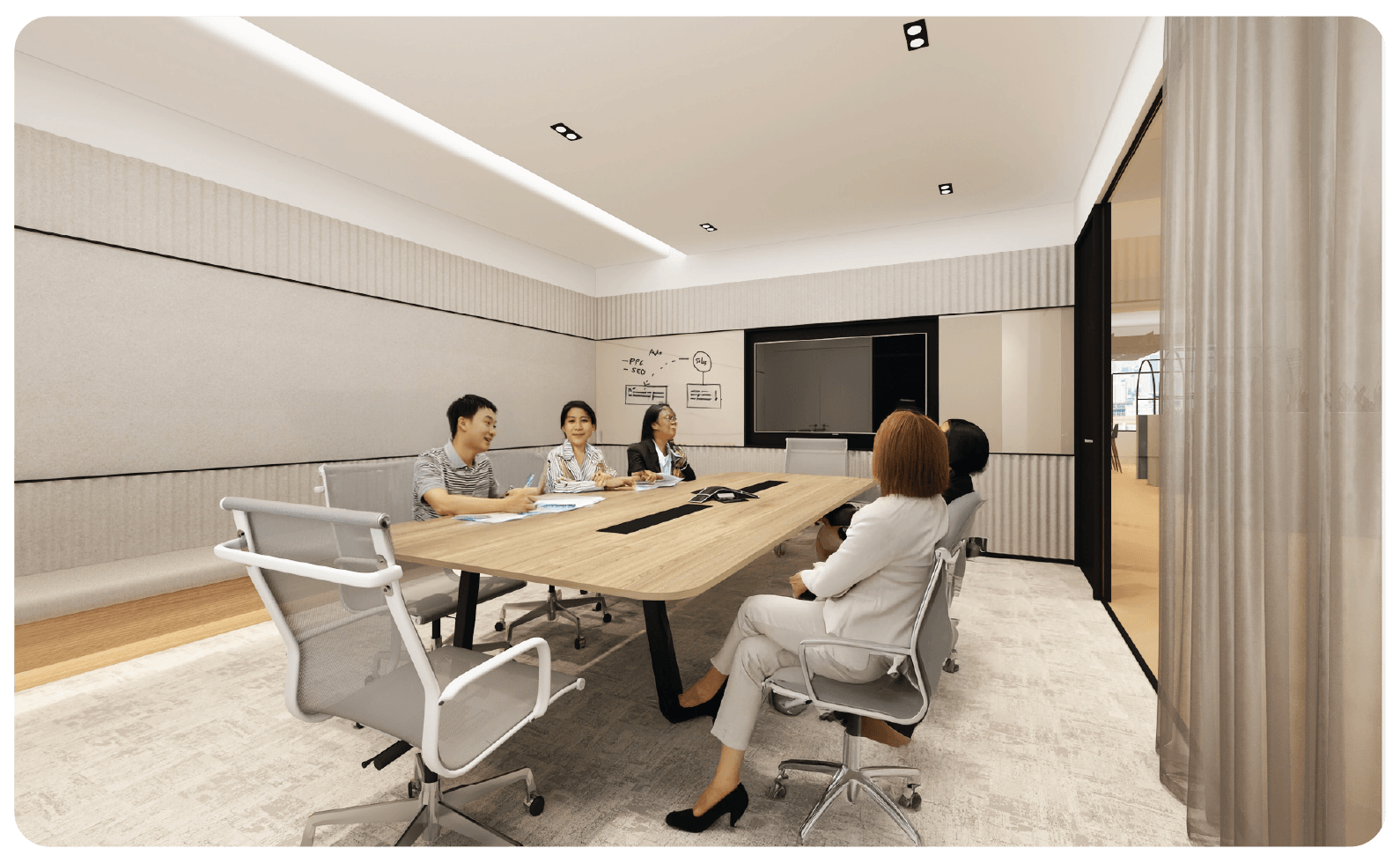
A full private office may still be more space than you need if client meetings are the only pressure point. A bookable room can separate those meetings from the home before the rest of the operation is ready to move.
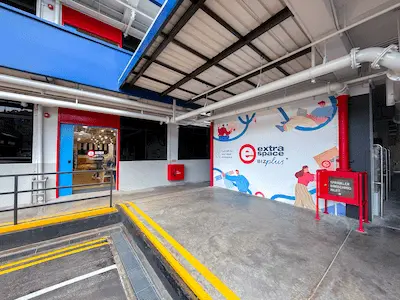
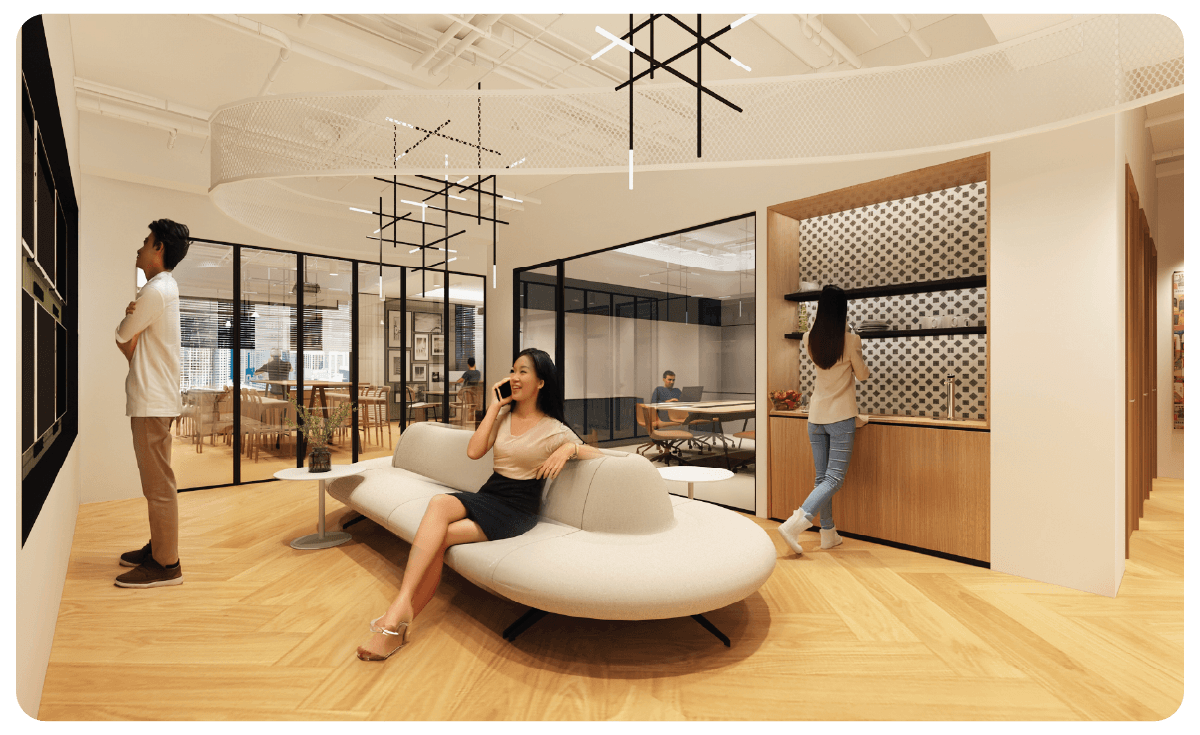
If recurring meetings are starting to define your week, Extra Space Asia’s BIZplus+ meeting space at Commonwealth gives you a practical point of comparison between occasional meeting use and a more permanent base. The next sign is less visible to clients, but it often takes over the home faster: the physical volume of the business.
Sign 3: Business materials are taking over residential space
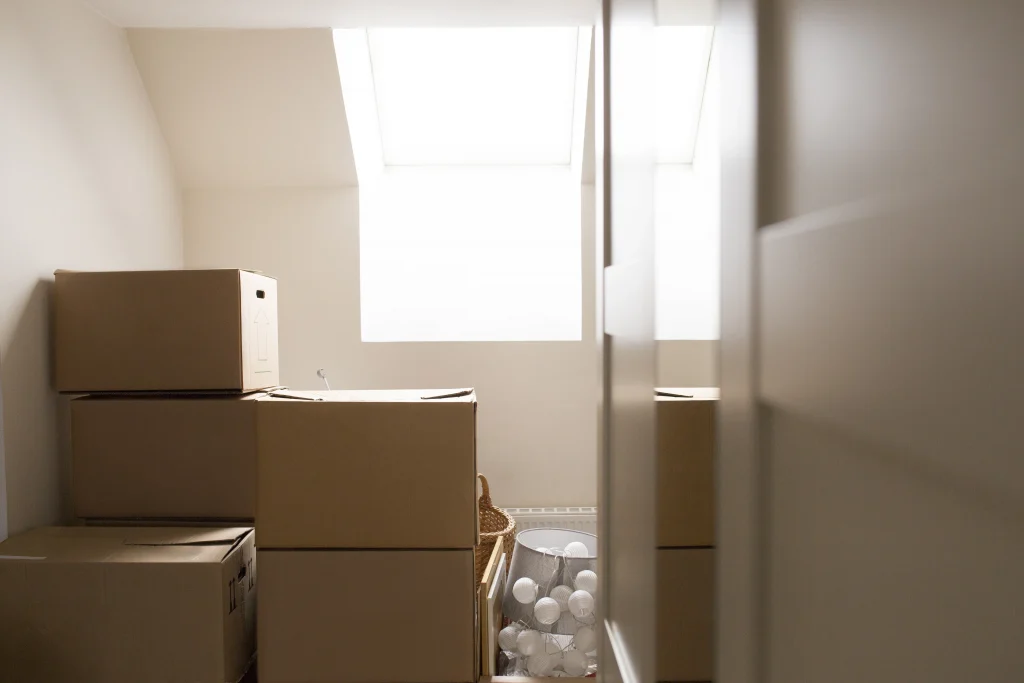
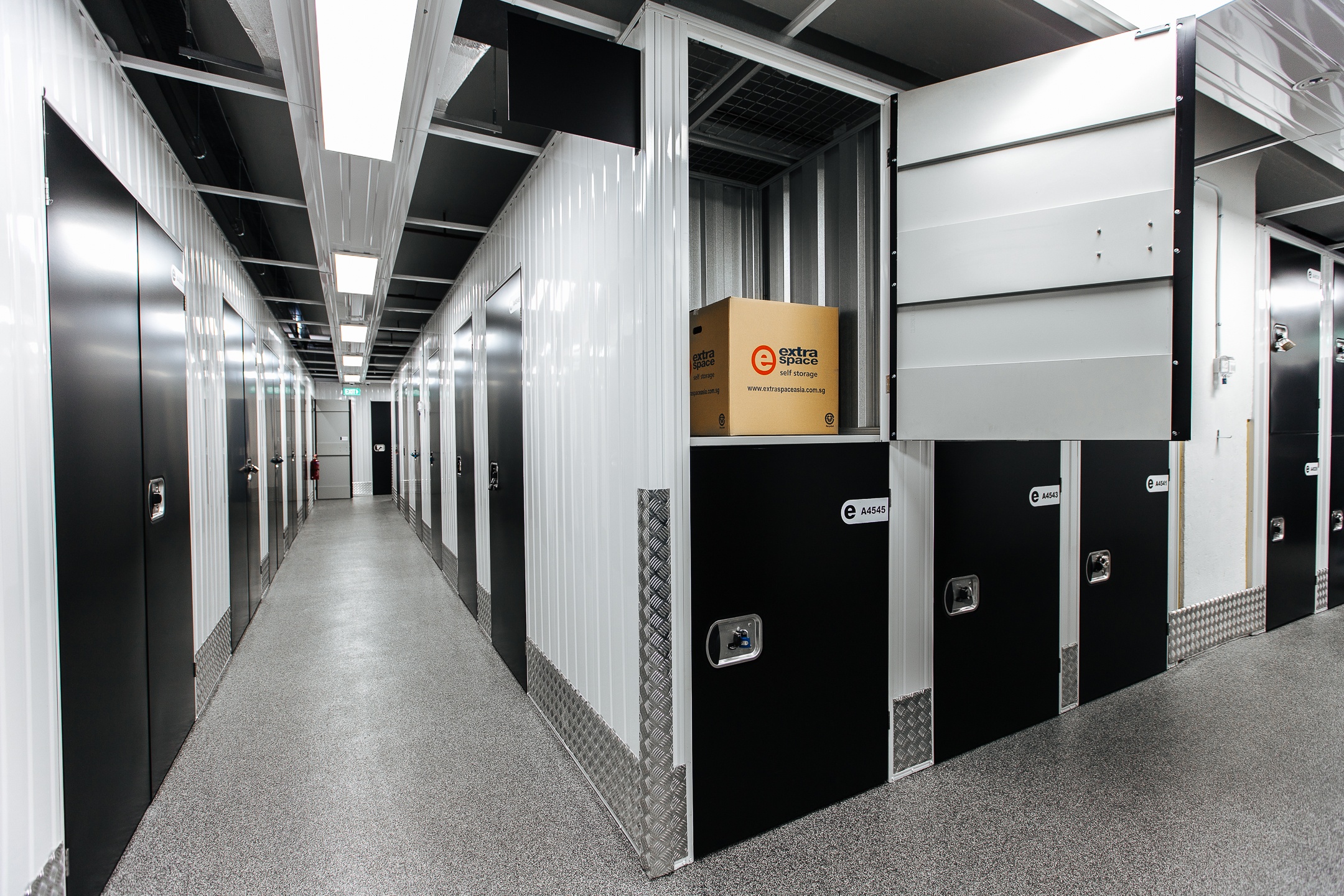
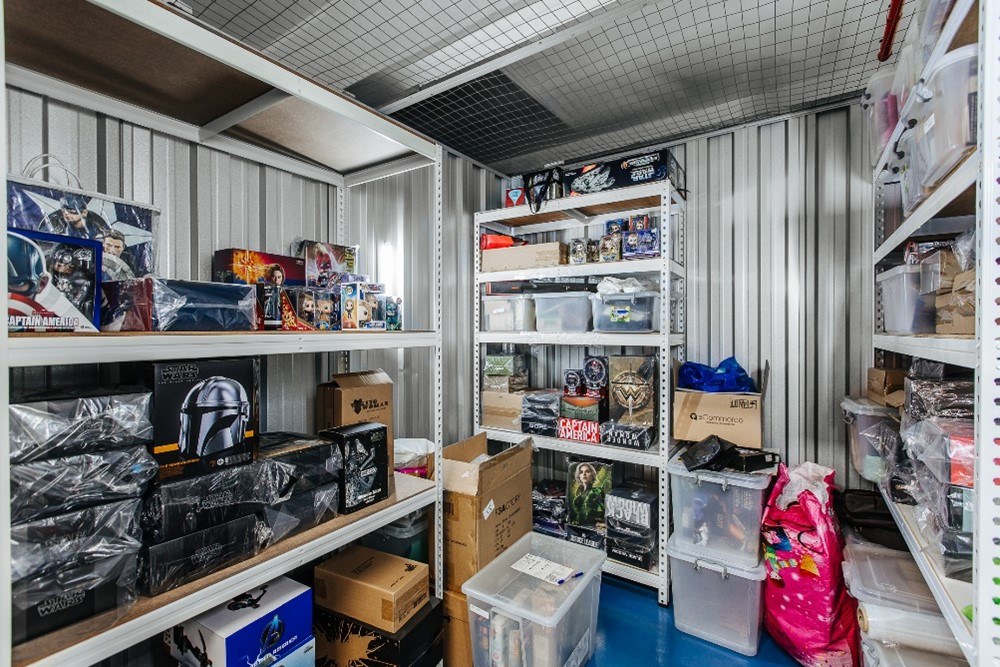
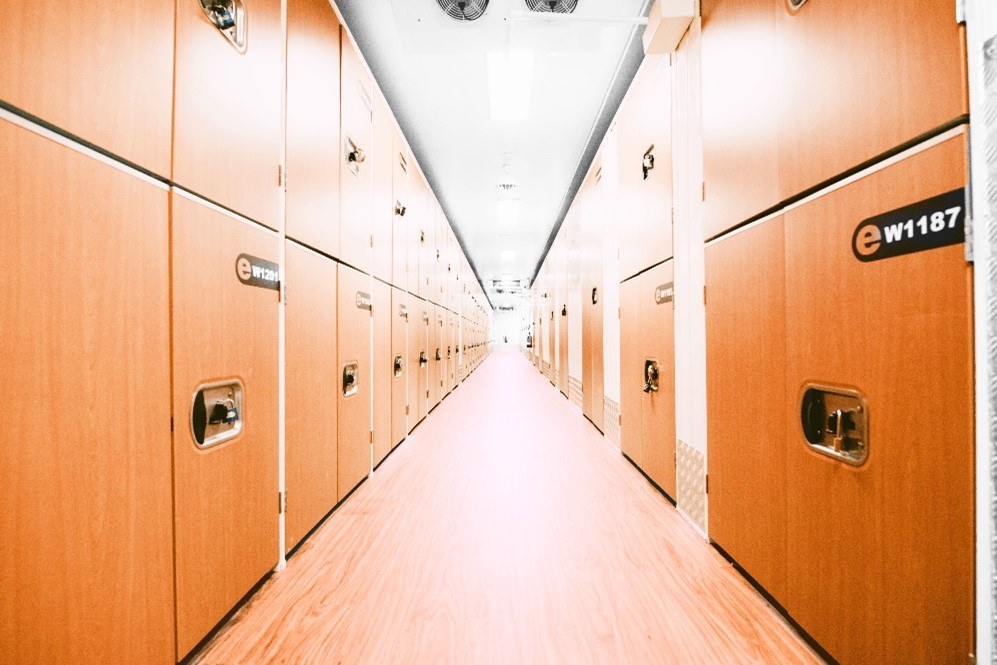
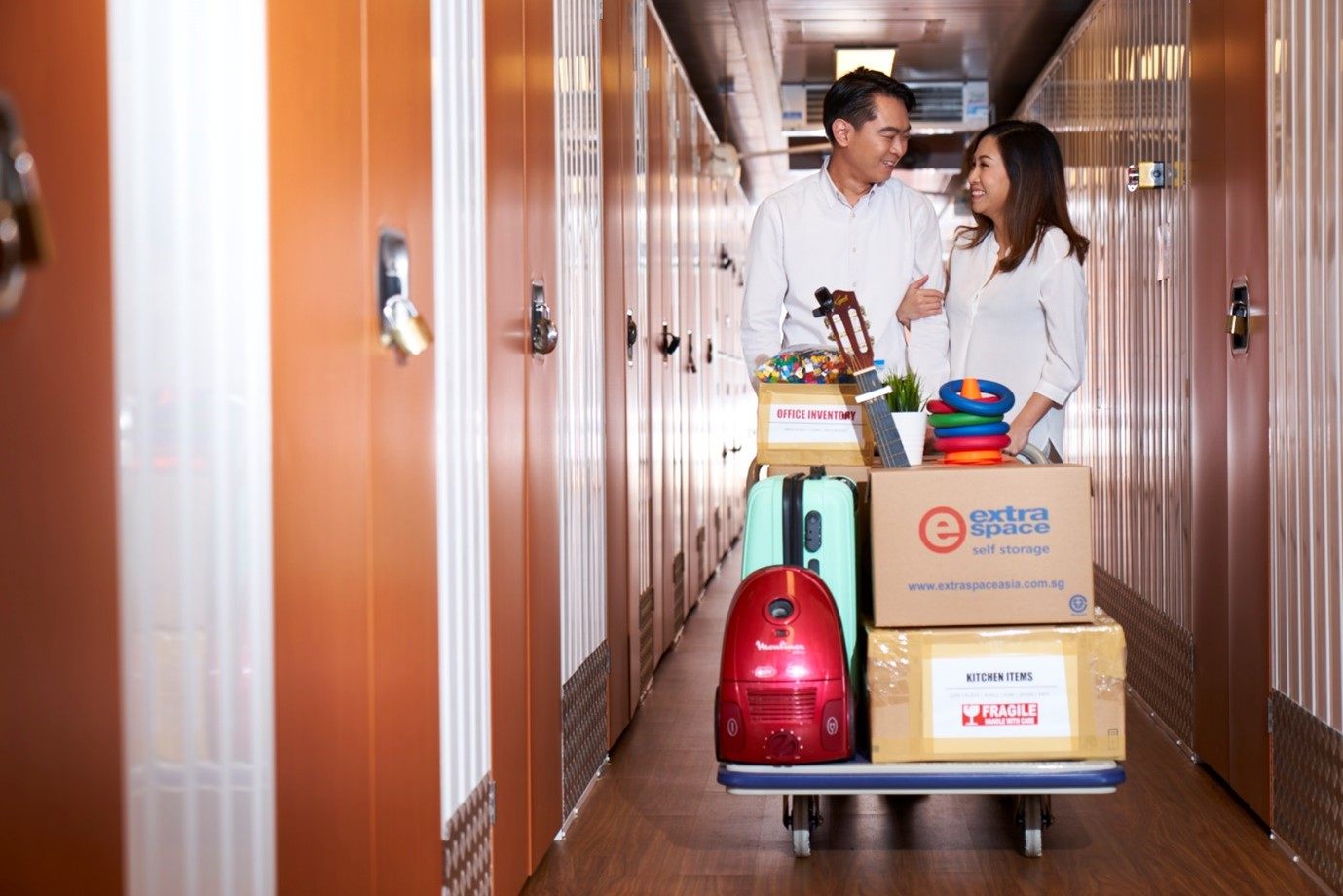
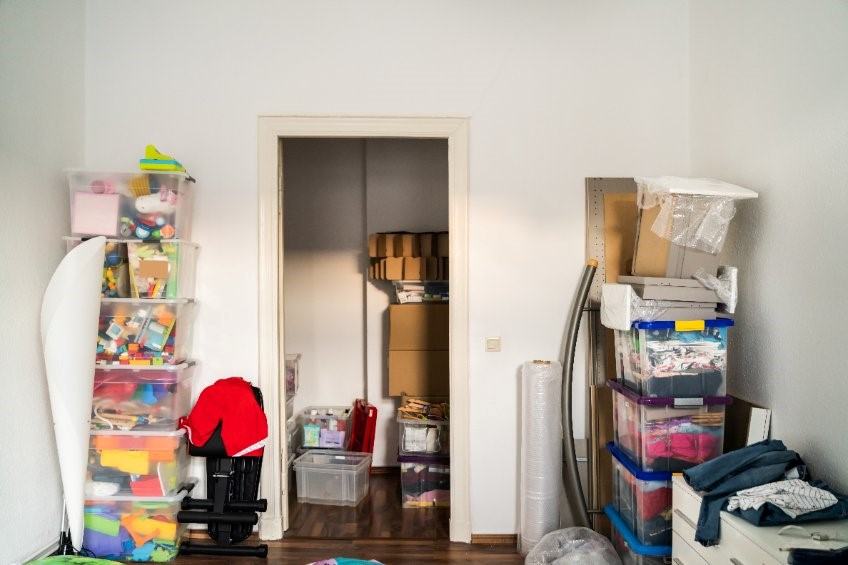
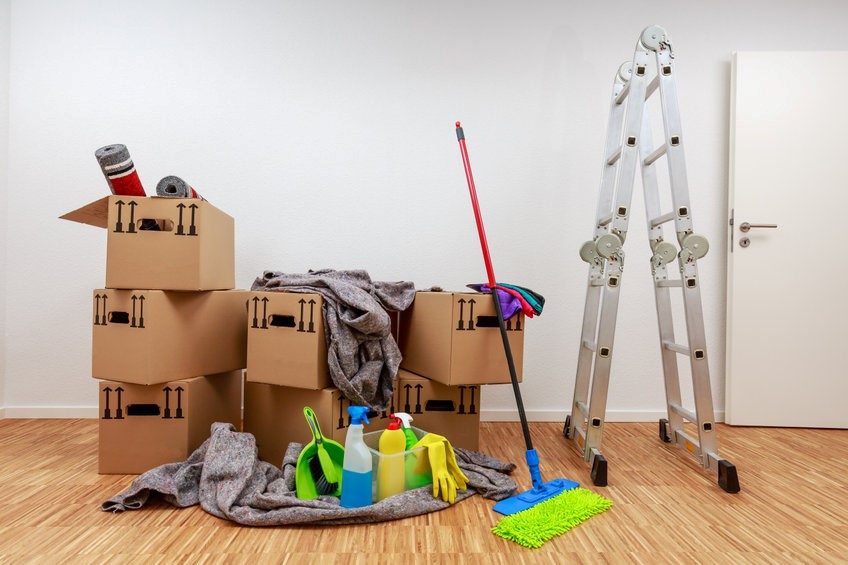
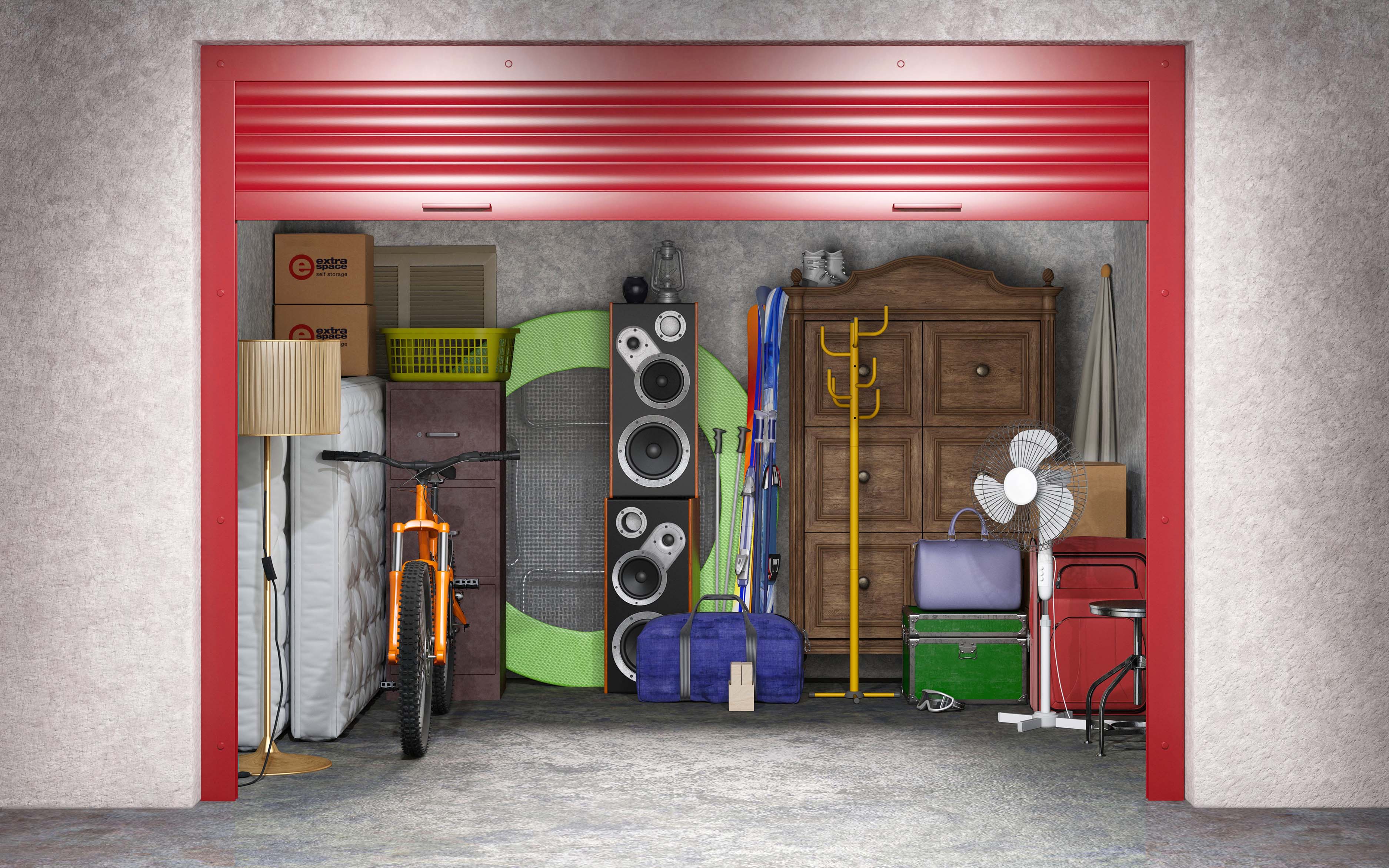
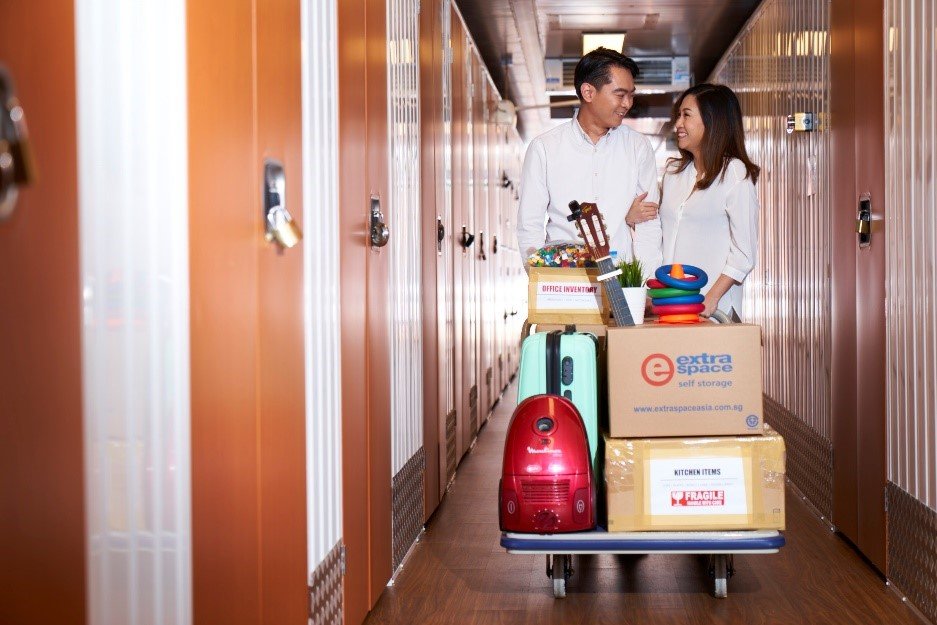
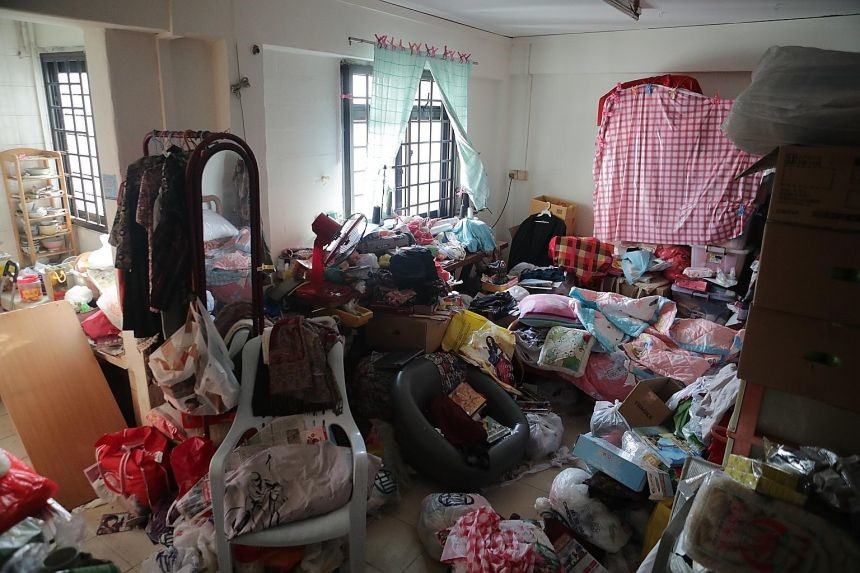
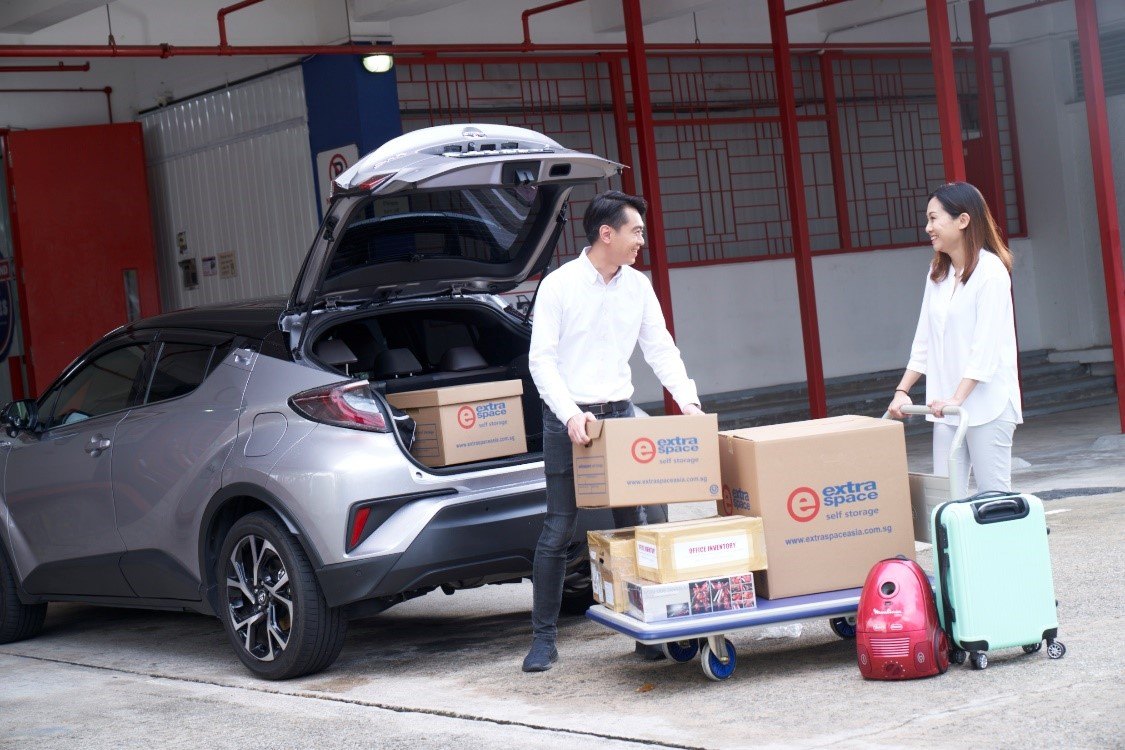
Physical volume can outgrow the home while the team remains small. A founder may work alone yet manage enough stock, samples, equipment, archived records or event materials to make the residential footprint increasingly difficult to sustain.
The progression is gradual. One shelf becomes several boxes, then the boxes move into a spare room. Frequently used items creep towards the entrance because they need to leave the home again.
Singapore’s residential rules make this more than a tidiness issue. URA’s restrict large-scale storage and frequent loading or unloading of goods, especially bulky items. The criteria also rule out using the residential premises as a distribution centre.
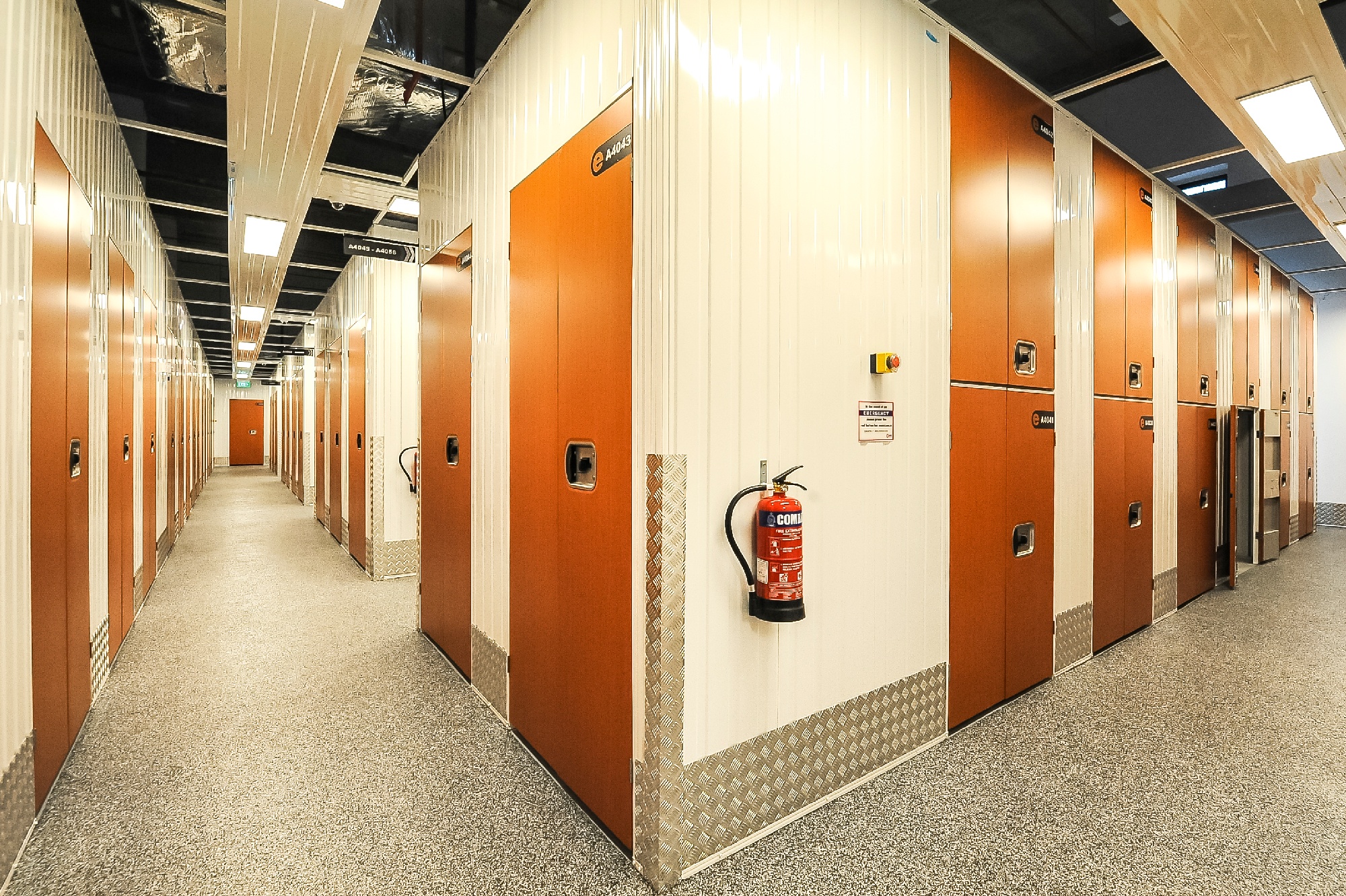
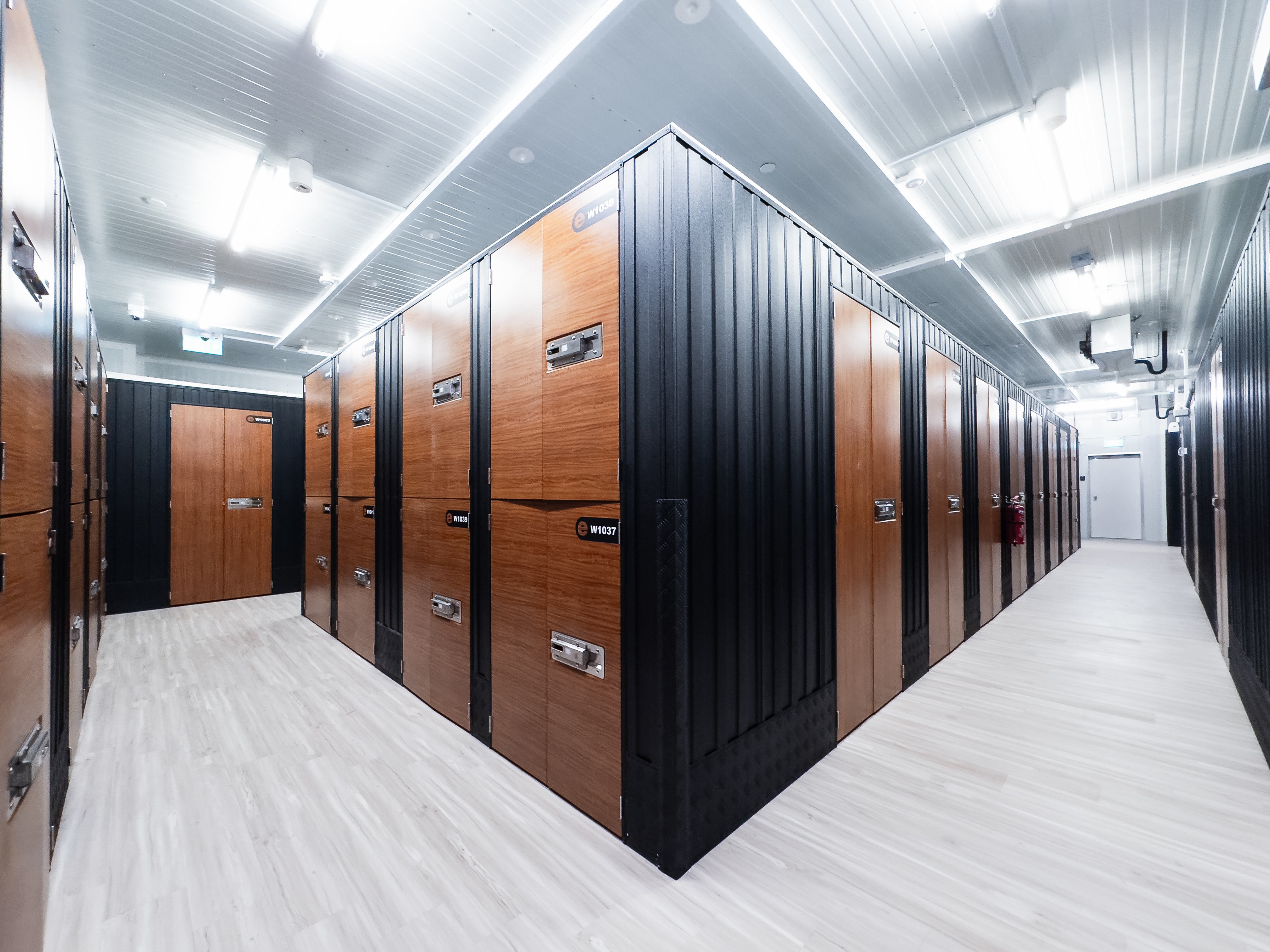
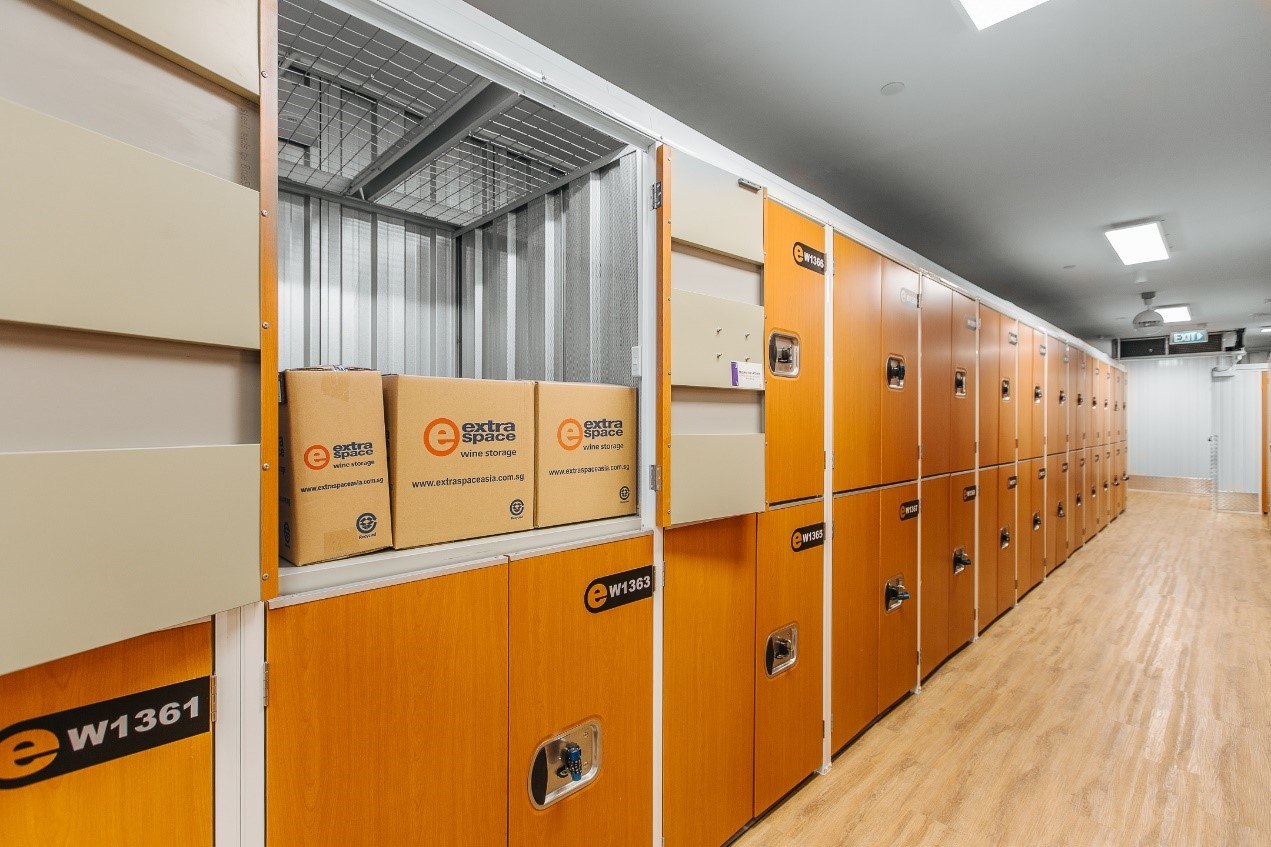
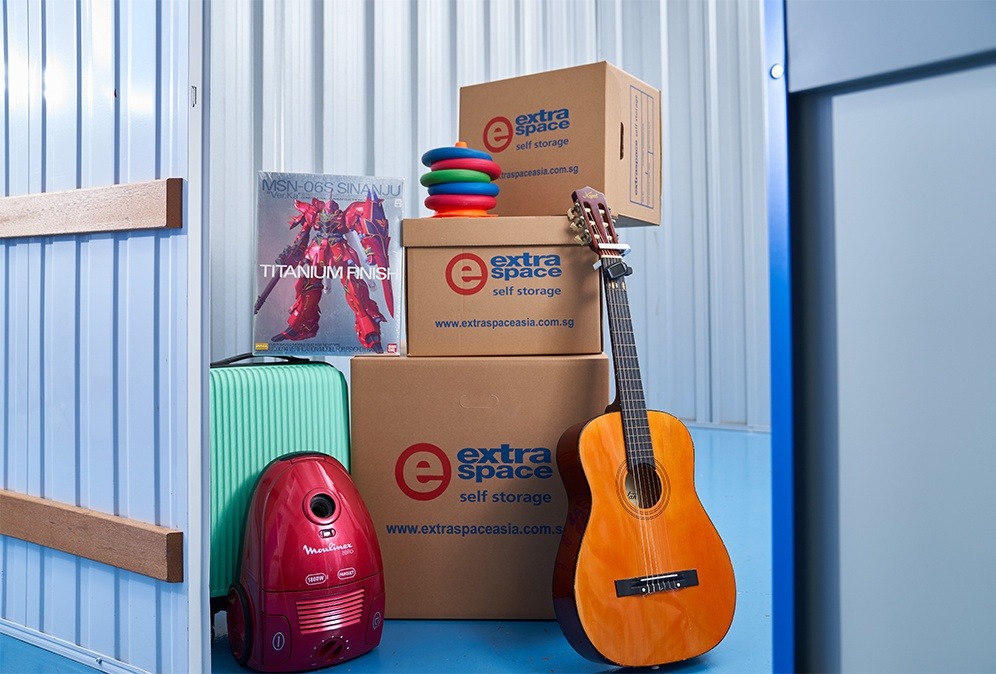
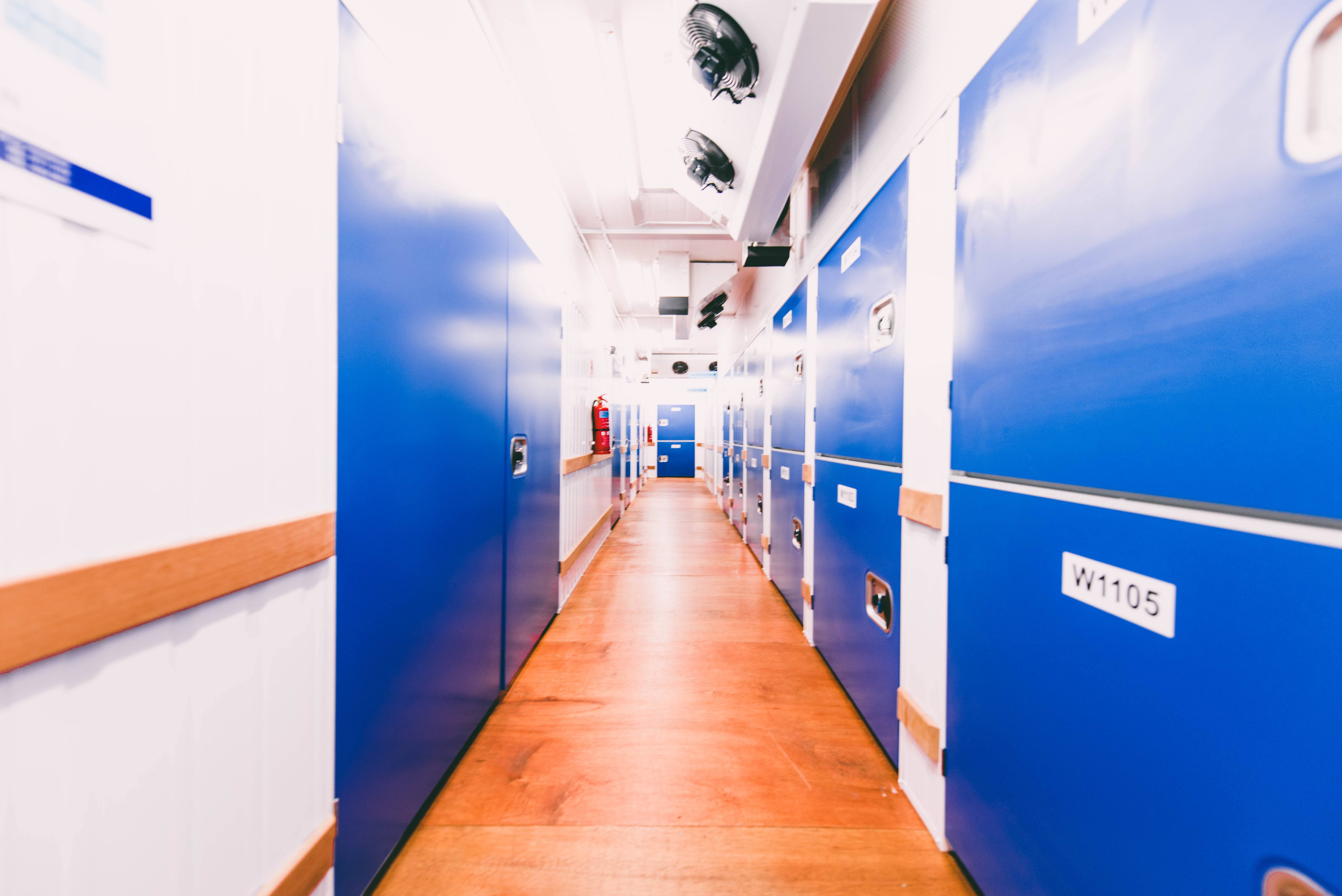
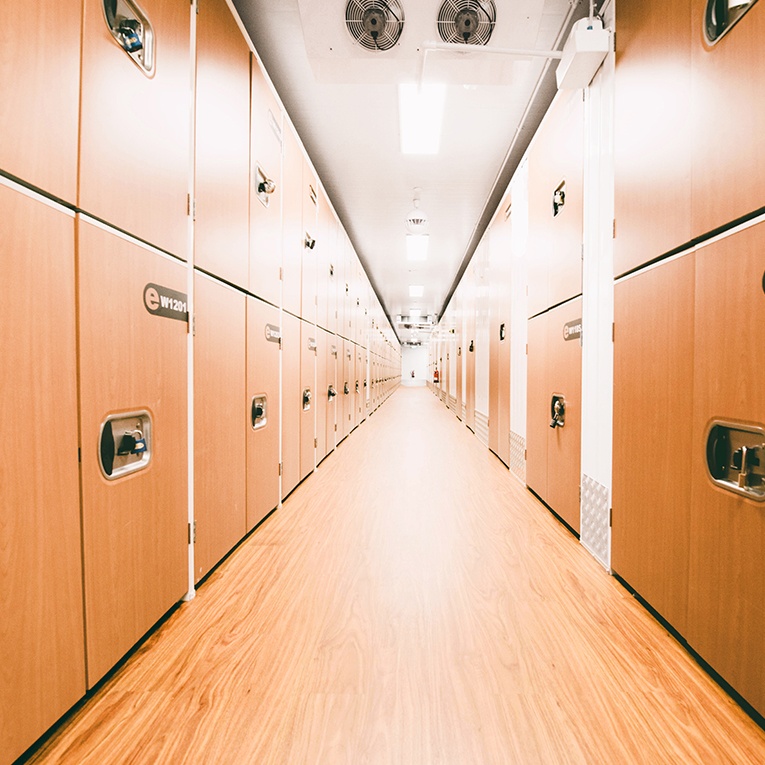
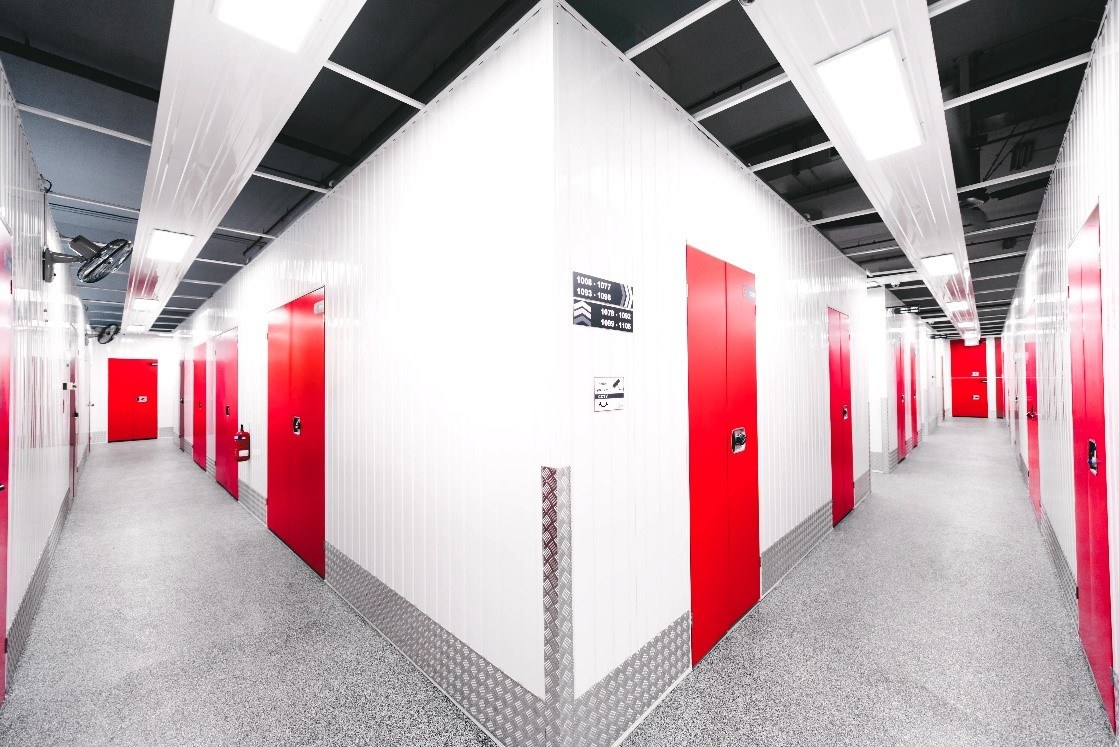
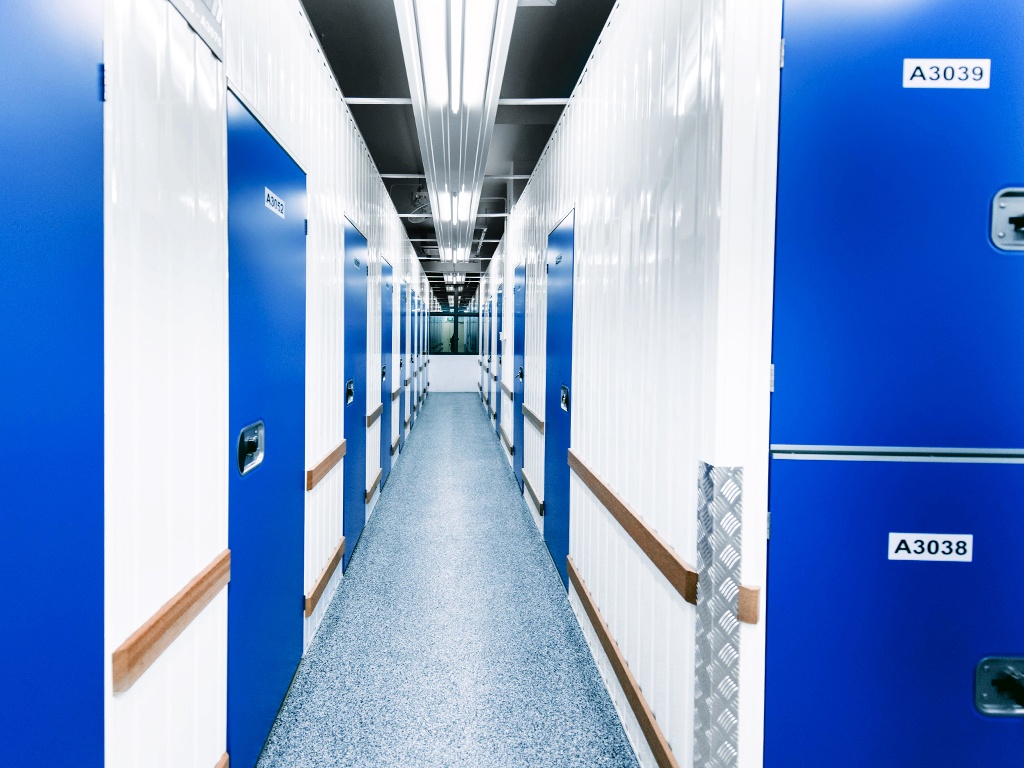
Separate storage needs from workspace needs. A business can need more room for its things before it needs more room for people. That distinction can stop stock growth from pushing you towards an office larger than the team requires.
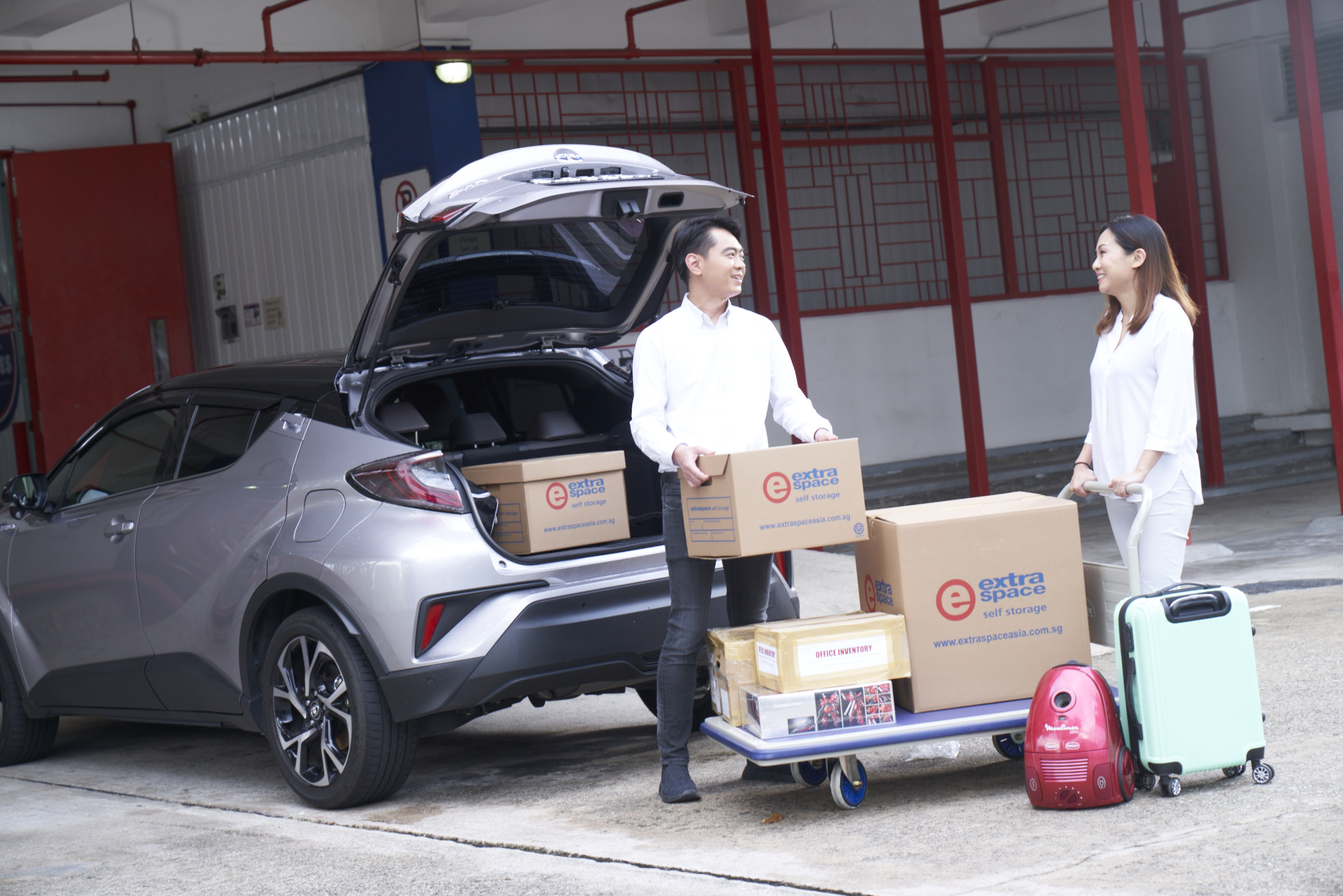
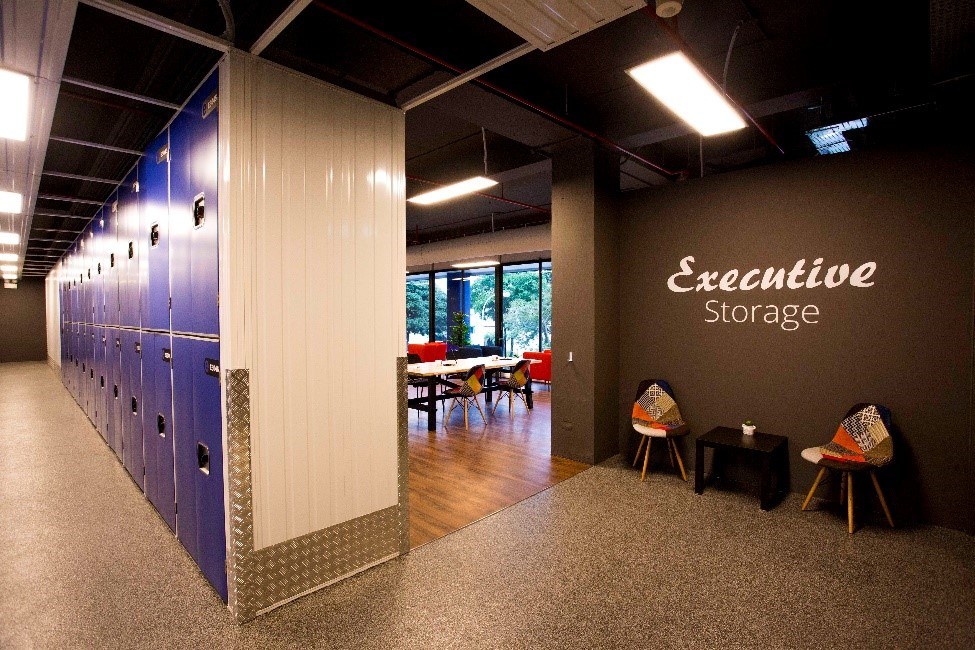
If both needs are appearing together, Extra Space Asia’s Commonwealth workspace and business storage arrangement can be considered as one operating setup. Once the physical footprint is clear, look at how much of the home has become permanently organised around work.
Sign 4: Work has started dictating how the home is used
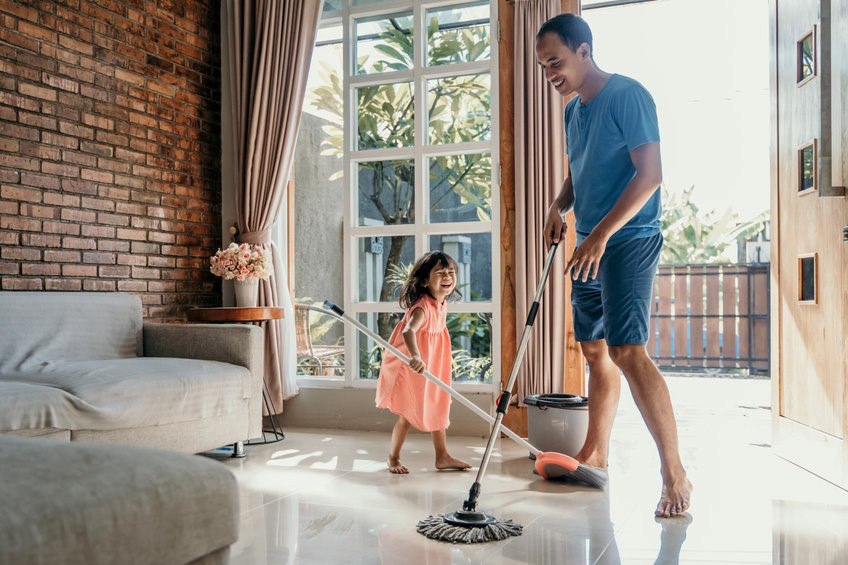
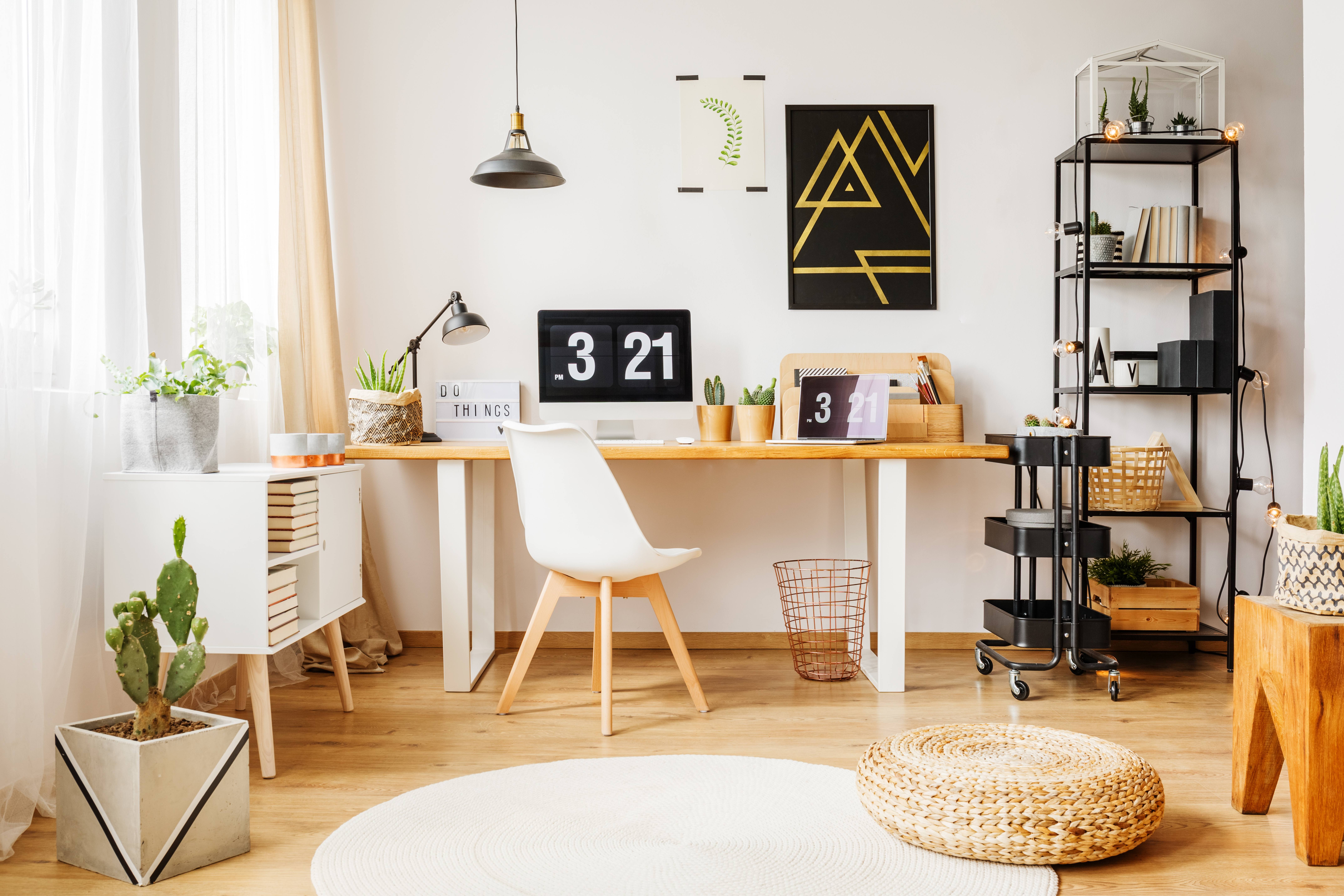
Blurred boundaries show up in routines. The laptop stays open on the dining table after work. Packing material remains beside the door. A household room has to stay quiet because calls continue through the afternoon.
The absence of a commute can remove a useful transition too. Work starts where breakfast ends and finishes only when equipment gets put away. Household members may also need to work around calls and stored materials. Rooms can gradually become unavailable for ordinary use.
This sign alone rarely carries the same weight as a scheme condition, regular client traffic, expanding physical volume or sustained team growth. It often prompts you to notice those stronger signals. The next question is whether the business is also presenting itself differently to customers and organisations outside it.
Sign 5: Your address and meeting setting now affect business opportunities
A home address says little about the quality or legitimacy of a business. Many companies can operate from home without their customers caring where the work happens.
The calculation changes when specific clients, tender processes, registrations or regulated activities ask for premises information. A tender may request a business address. A client may expect recurring meetings at your premises. Certain registrations or licences can also carry requirements tied to the activity.
The Accounting and Corporate Regulatory Authority (ACRA) distinguishes between business structures and address requirements. It currently states that a company’s registered office must be a Singapore address that is open and accessible to the public during normal business hours. ACRA also says the registered office can differ from the place where business activities happen.
That distinction matters because address questions should be checked against the actual requirement. A private office should answer a real operating need, while the standing of the business comes from the business itself.
If the address keeps becoming operationally relevant through clients or formal requirements, add that pressure to the other four signs. Together, they give you a clearer basis for deciding how far to move away from home.
Decide how much of the business actually needs to move

The five signs carry different weights. Residential scheme conditions can set a hard boundary. Regular client-facing work can create an immediate need for meeting space. Physical volume can force business materials out of the home while the team remains small.
Team growth often builds more gradually, while blurred boundaries may remain manageable for longer. Match the response to the strongest pressure. Occasional client meetings may call for a bookable room, while expanding stock may need separate storage.
Before committing, write down four figures: how many people need work space, how often clients visit, how much business material needs housing and how often that material moves. These describe the operating footprint better than a general feeling that the business has become ‘too big for home’.
If several signs point in the same direction, BIZplus+ gives you a concrete workspace option to compare against that footprint. Extra Space Asia can also help you assess a BIZplus+ base for a growing business when work space and physical materials are both part of the move. The decision should follow the pressure you can measure.
Move when the business has crossed a real threshold
A home-based business seldom needs every warning sign before a move makes sense. One firm may reach the limit through frequent client visits. Another may stay comfortable with one person at home until stock, equipment or records take over too much residential space.
Start with the relevant HDB or URA conditions. Count how many people need space. Record client visits in a typical month. Measure the physical material that needs a home.
Those checks turn a vague sense of growth into an operating decision. You can then see exactly which part of the operation has outgrown the residential setup. If they now point beyond the home, Extra Space Asia can help you compare private workspace at BIZplus+ Commonwealth with the footprint you have identified.
Frequently asked questions
When does a home-based business need an office?
The strongest trigger is a specific operating constraint. That may be a residential scheme condition, regular client visits, a growing team or business materials that have taken over too much of the home.
Do Singapore’s residential business schemes limit hiring?
The conditions depend on the scheme and property type. HDB and URA publish current rules covering non-resident workers, so check the applicable official guidance before basing a hiring decision on a home setup.
Can I use a meeting room without taking a private office?
Some workspace providers offer meeting rooms separately from dedicated offices. That can suit a home-based operator whose main pressure comes from client meetings while most day-to-day work still happens elsewhere.
What should I do when stock outgrows the home?
Separate the stock problem from the people problem. Measure how much material you hold, how often it moves and whether your residential activity still fits the applicable HDB or URA conditions.
What sits between working from home and taking a full private office?
Intermediate options can include a shared desk, day-use workspace, bookable meeting room or separate storage for business materials. A small private office becomes more relevant when several recurring activities need one consistent business base.
Can I move my business in stages rather than all at once?
Yes. Many businesses transition in stages: first moving stock or equipment to separate storage while continuing to work from home, then adding a bookable meeting room for client visits, then upgrading to a shared or dedicated desk when daily operations outgrow the home.
This staged approach spreads the cost and lets you test each level before committing to a full private office. Track which specific pressure (stock, clients, team, compliance) is growing fastest and address that one first.
Author bio
Established in 2007, Extra Space Asia has over 18 years of experience providing secure and flexible self-storage solutions across Asia. As a trusted regional storage provider, the company has earned industry recognition, including receiving Singapore’s Favourite Self-Storage Brand award from 2018 to 2026. Extra Space Asia continues to help individuals and businesses create more space with reliable, professionally managed storage solutions.